
 So What is Keto Flu Anyways!?
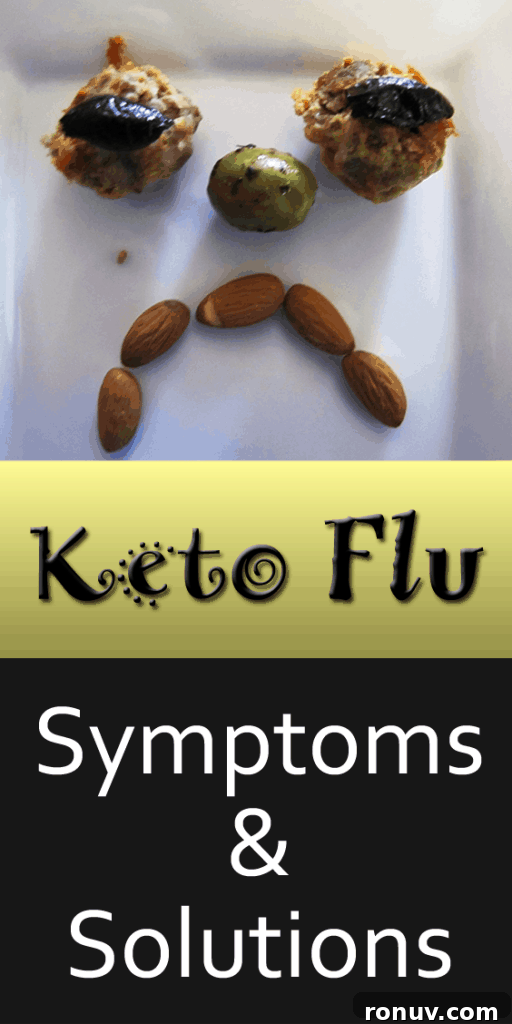 So What is Keto Flu Anyways!?
I first wrote about keto flu back in 2013 when I had no idea what to expect. I felt awful those first days, and since then I’ve learned a lot about what causes those symptoms and how to manage them. Many people still find that early post about carb withdrawal, so I’m updating it here with clearer, practical guidance that actually works.
What Actually Causes Keto Flu Symptoms?
Keto flu arises when your body shifts from burning glucose to burning fat — a state called ketosis. That transition often triggers a temporary electrolyte imbalance. When you reduce carbohydrates, your body releases stored water and, with it, sodium, potassium and sometimes magnesium. That loss of electrolytes is the main driver of classic keto-flu symptoms.
Can You Stop Keto Flu?
For some people the keto flu is an unavoidable short detox period. Think of it as your body adapting to lower carbs and switching fuel sources. The good news is you can greatly reduce the intensity and duration of symptoms by addressing hydration and electrolytes, getting rest, and easing into the change rather than trying to force it overnight.
How to Feel Better During Carb Detox
Simple, practical steps make a big difference:
- Increase sodium intake: Add a little extra salt to your meals or sip salty chicken or bone broth throughout the day. This replenishes sodium lost during the initial water loss.
- Replenish potassium: Use potassium salt substitutes (often sold as No-Salt or LoSalt) or include potassium-rich low-carb foods. Potassium helps prevent weakness and muscle cramps.
- Supplement magnesium if needed: Many people benefit from a magnesium supplement or powdered magnesium drink, which can reduce leg cramps and support regularity.
- Drink plenty of water: Staying hydrated helps your body adjust and supports circulation and digestion.
- Rest and reduce stress: Give yourself permission to slow down during the first week or so. Stress and demanding schedules can worsen symptoms.
If you prefer homemade remedies, a simple electrolyte drink is easy to make: mix water with a squeeze of lemon, a pinch of potassium salt, a little real salt (Himalayan or sea salt), a splash of apple cider vinegar if you like, and a small non-sugar sweetener to taste. A hot cup of homemade chicken or bone broth is another comforting, effective option.
Products and Resources
Over the years I’ve found a few products helpful, such as unflavored or flavored magnesium powders and electrolyte blends marketed specifically for low-carb lifestyles. There are branded electrolyte mixes on the market and magnesium drinks that many people swear by. If you prefer to make your own, the homemade recipes work well and let you control sodium and potassium levels.
For readers who enjoy the science behind low-carb diets, the book The Art & Science of Low Carb Living by Phinney and Volek is a respected resource that explains the physiology and practical strategies for managing the transition.
Common Keto Flu Symptoms
Symptoms vary person to person and can include:
- Fatigue and general tiredness
- Headache
- Brain fog or difficulty concentrating
- Mild flu-like feelings or low-grade fever
- Digestive upset such as nausea or diarrhea
- Muscle cramps or leg pain
Less commonly, people experience lightheadedness, heart palpitations, or more persistent gastrointestinal issues. If you experience severe symptoms or anything that worries you, consult a healthcare professional.
Practical Tips for Starting Keto
Plan your start date when you can take it easy — a long weekend or vacation is ideal. Expect symptoms to range from a single day to a couple of weeks for most people. Many of us feel noticeably better by day five to ten once electrolytes and hydration are balanced and the body settles into ketosis.
Keep meals simple at first, prioritize salty broths and mineral-rich foods, and consider a magnesium supplement at night if leg cramps or poor sleep are issues. If you’ve lost a lot of weight or have a chronic condition, talk with your clinician about monitoring electrolytes during the transition.
My Experience and Ongoing Maintenance
Years later, even after substantial weight loss, I still pay attention to electrolytes. During regular life I use a combination of dietary strategies and occasional electrolyte mixes to stay balanced. The key takeaway is that keto flu is usually temporary and manageable with a few small adjustments.
Final reminder: while most people handle the shift just fine with the tips above, individual needs vary. If you have pre-existing health conditions or take medications that affect fluid or electrolyte balance, check with your healthcare provider before making major changes to your diet.
Updated from the original 2013 account with clearer guidance and practical solutions to make the keto transition smoother and more comfortable.