Rising college costs in the United States have pushed many families to explore alternative ways to finance higher education. Athletic scholarships remain one of the most effective routes for student-athletes. For kids who perform at a high level in sports, college can become far more affordable—sometimes even free. Earning a sports scholarship, however, requires more than raw talent. It takes planning, consistent performance, academic responsibility, and smart decisions about which sports yield the best scholarship opportunities.
This article outlines the sports most likely to result in college scholarship support, explains what families should consider, and offers practical steps to improve a young athlete’s prospects.
Why Pursue a Sports Scholarship?
Athletic scholarships reward student-athletes who show exceptional ability or potential in their sport. Awards range from partial aid covering tuition, housing, or books, to full-ride scholarships that cover nearly all college expenses.
Beyond financial relief, sports scholarships deliver important long-term benefits:
- They build discipline, leadership, and time-management skills.
- They provide access to experienced coaches and structured mentorship.
- They increase exposure to professional pathways and networking opportunities.
- They create a strong support system through teammates and athletic staff.
Not all sports offer the same number of scholarships or the same recruitment visibility. Knowing which sports are scholarship-rich helps families and athletes focus their time and resources where they are most likely to succeed.
Regular, focused practice is essential to develop the consistency and muscle memory scouts look for. Parents frequently invest in training tools—such as pitching machines for baseball players or specialized equipment for other sports—to simulate game conditions and build confidence. Smart investments in practice and coaching pay off by helping athletes perform reliably in high-stakes recruiting situations.
Top Sports That Offer College Scholarships
Below are some of the sports that traditionally offer the most scholarship opportunities, with practical tips to improve recruitment prospects.
1. Football (Men’s)
- Scholarships Available: NCAA Division I (FBS) teams can offer up to 85 full scholarships.
- Why It’s Promising: Football is a major revenue sport for many colleges, which drives significant investment in recruiting.
- Tips: Begin development early, attend college camps, compile a highlight video, and maintain strong academics to remain eligible and attractive to coaches.
2. Tennis
- Scholarships Available: NCAA Division I programs can distribute the equivalent of up to 8 full scholarships for women and 4.5 for men, often divided into partial awards.
- Why It’s Promising: International competition and individual rankings increase visibility for college recruiters.
- Tips: Compete in regional and national tournaments, collect match footage and rankings, and take quality tennis lessons early to develop reliable technique.
3. Soccer (Men’s and Women’s)
- Scholarships Available: Mostly partial scholarships, though elite recruits can secure full funding.
- Why It’s Promising: Soccer’s popularity is growing in the U.S., especially on the women’s side, which creates more opportunities for scholarship support.
- Tips: Play for competitive club teams, attend identification camps, and reach out directly to college coaches with concise recruiting materials.
4. Track and Field / Cross Country
- Scholarships Available: Numerous partial scholarships are available, with full-ride options for top performers in specific events.
- Why It’s Promising: Results are objective—times and distances make evaluating talent straightforward.
- Tips: Keep meticulous records of performances, compete at regional and national meets, and register results with recruiting databases.
5. Basketball (Men’s and Women’s)
- Scholarships Available: Division I programs commonly offer full scholarships to leading players; Division II schools typically provide partial awards.
- Why It’s Promising: High visibility, strong alumni networks, and professional ladders make basketball an appealing route for scholarships.
- Tips: Compete in AAU or elite travel leagues, attend national showcases, and assemble clear game footage and statistical summaries.
6. Swimming and Diving
- Scholarships Available: Mostly partial scholarships, though standout swimmers and divers can earn substantial funding.
- Why It’s Promising: Like track, swim recruitment relies on objective times and measurable results.
- Tips: Compete in sanctioned meets, record official times, and send performance summaries to college coaches.
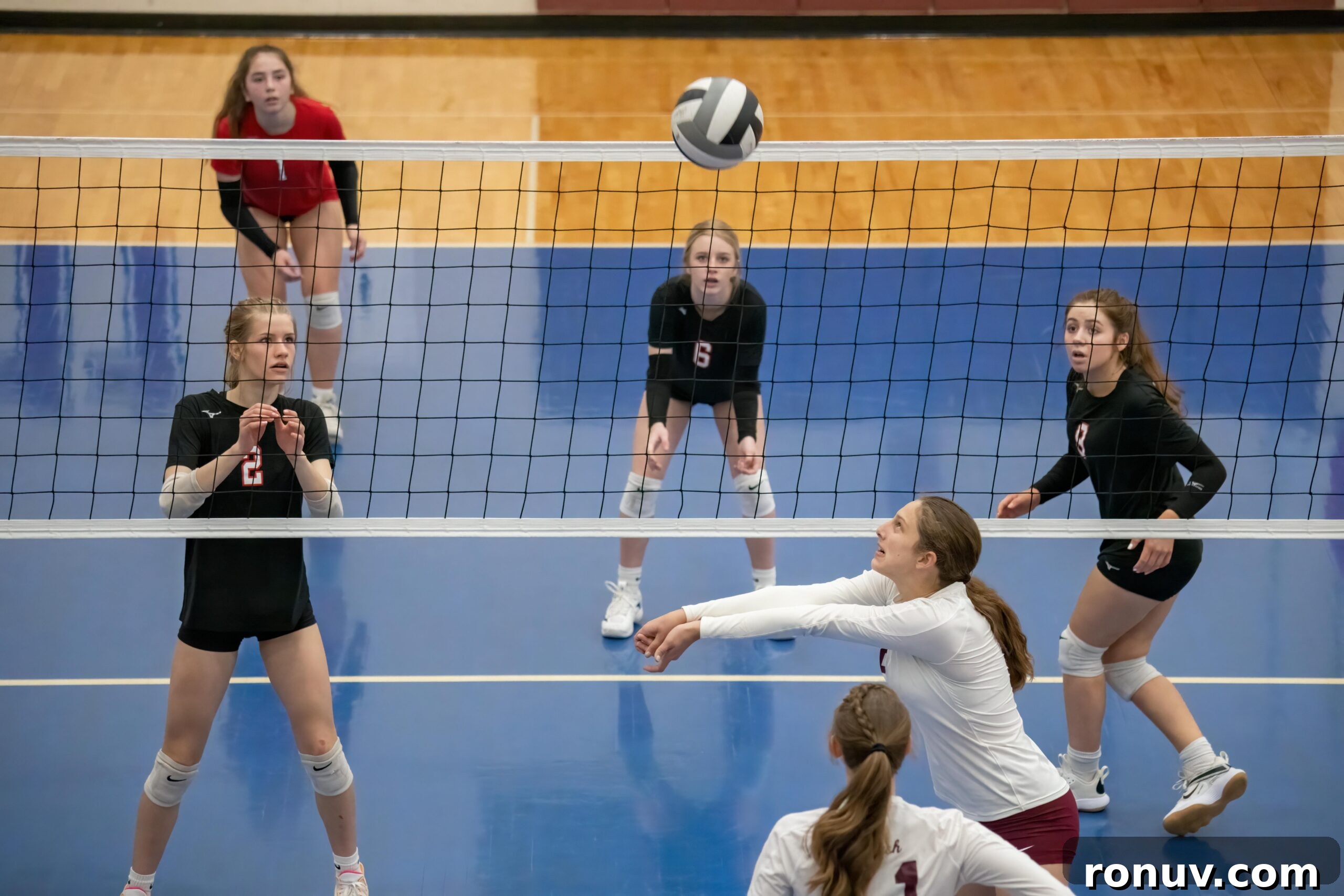
7. Volleyball (Especially Women’s)
- Scholarships Available: Many Division I women’s programs allocate full scholarships or significant partial packages.
- Why It’s Promising: Title IX support and robust women’s programs create steady demand for skilled players.
- Tips: Compete at a high level in club volleyball, attend college camps, and compile clear highlight reels.
8. Baseball and Softball
- Scholarships Available: Full rides are limited; most awards are partial and often split among multiple players.
- Why It’s Promising: Many colleges field teams, particularly in regions with strong youth programs and summer leagues.
- Tips: Play in showcase tournaments, film innings and key at-bats or defensive plays, and proactively contact recruiters.
9. Lacrosse
- Scholarships Available: Division I and II programs offer scholarships for both men and women, with growing opportunities each year.
- Why It’s Promising: Lacrosse is one of the fastest-growing collegiate sports, expanding recruitment pipelines nationwide.
- Tips: Join travel teams, attend evaluation events, and begin communication with college programs early in the recruiting timeline.
10. Gymnastics
- Scholarships Available: A limited number of scholarships are available, particularly in women’s programs, but they are highly competitive.
- Why It’s Promising: Colleges value gymnasts with extensive competition experience and consistent scores.
- Tips: Maintain strong competition results, prepare polished routines for recruitment showcases, and pair athletic talent with strong academics.
The Role of Academics in Athletic Scholarships
A critical but sometimes overlooked fact is that grades matter. Coaches look for athletes who are academically reliable because eligibility rules require students to maintain minimum GPA and standardized test benchmarks. Solid academics not only preserve scholarship eligibility but can also increase the amount of financial aid a coach is able to offer.
Maintaining good grades, preparing for standardized tests, and understanding eligibility requirements from the NCAA or NAIA are essential parts of a successful recruiting plan.
Tips for Parents and Students
If your child aims to secure a sports scholarship, follow these practical steps:
- Start Early: Skill development and goal-setting can begin in middle school or sooner.
- Create a Recruitment Profile: Use reputable recruiting platforms to showcase videos, stats, and academic records.
- Register with Eligibility Centers: Complete required certification with the NCAA Eligibility Center or NAIA where applicable.
- Network with Coaches: Reach out to coaches, attend camps at target schools, and stay visible through consistent competition.
- Balance Sports and School: Effective time management keeps both athletic performance and academic eligibility on track.
- Consider All Levels: Explore opportunities at Division I, II, III, NAIA, and junior colleges—each level offers different benefits and pathways to success.
Conclusion
Athletic scholarships reward dedication, perseverance, and consistent effort in both sports and academics. For families willing to invest in training, coaching, and careful planning, college athletics can unlock significant financial support and life-changing opportunities. The most successful student-athletes choose the right sport for their strengths, start preparing early, and keep academics at the forefront of their recruitment strategy.
With informed decisions and steady preparation, families can help turn athletic talent into meaningful scholarship aid and a brighter college experience.