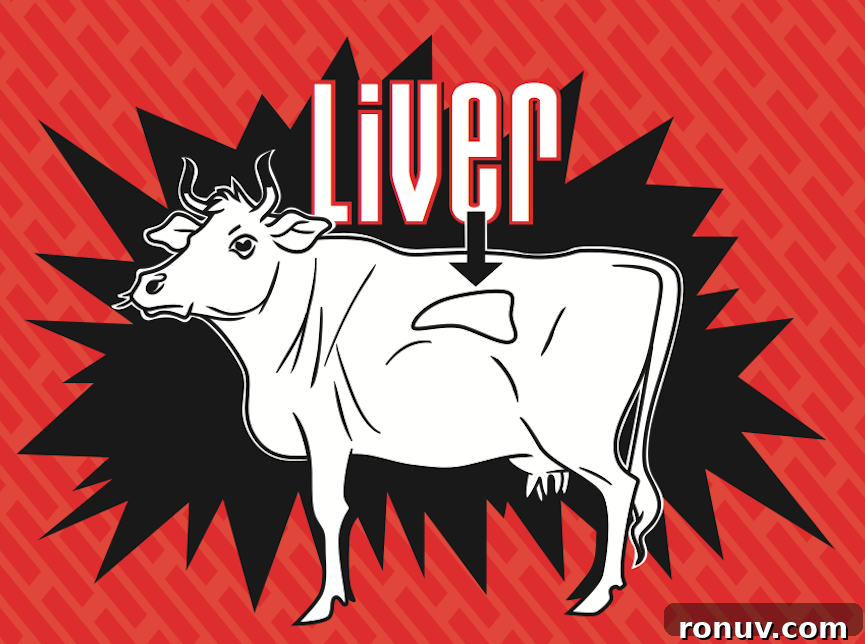
What Am I? Chopped Liver?
Many different animals contribute their livers to kitchens around the world. Beef, chicken, duck, goose, pork, and even fish livers such as monkfish are used in a wide range of culinary traditions. Liver is versatile: it can be baked, broiled, grilled, sautéed, boiled, stir-fried, or pan-fried. Some cultures serve certain livers raw or lightly cured. Liver is also commonly transformed into terrines, pâtés, sausages, and forcemeats—mixtures of ground lean meat and fat that showcase the organ’s rich flavor and smooth texture.
Your Liver
The human liver is a vital organ with many essential responsibilities. It plays a central role in detoxifying the blood, synthesizing important proteins and hormones, producing bile to help digest fats, and processing nutrients and medications. Liver tissue is also remarkably regenerative: a healthy liver can regrow from a small portion of its original mass. This regenerative capacity makes partial liver donation and some surgical resections possible—living donors may give a portion of their liver to a recipient, and both donor and recipient can regenerate functional liver tissue over time.
Liver is nutritionally dense compared to many other cuts of meat. It is a rich source of several vitamins and minerals, including iron, vitamin B12, and vitamin A, which is why liver appears in traditional diets worldwide. Because of its concentrated nutrient profile, culinary use of liver is often in relatively small portions or mixed into preparations that temper its strong flavor. Proper handling and cooking are important for both taste and safety; for example, different species’ livers vary in texture and recommended cooking methods.
Foie Gras
Foie gras — French for “fat liver” — refers specifically to the enlarged livers of ducks or geese that have been fattened through a process known as gavage, in which grain (often corn) is deliberately introduced into the birds’ digestive tract. This technique dates back thousands of years, with records indicating similar practices in ancient Egypt around 2500 BC. Observations of wild migratory waterfowl helped inspire the practice: before long flights, many wild birds gorge and naturally store fat in their livers to supply energy during migration. Ancient farmers sought to replicate that fattening in captivity by providing concentrated feed.
The result—an enlarged, fatty liver—has a distinct, rich flavor and a smooth, buttery texture prized by chefs and gourmets. Foie gras can be prepared and served in many ways: seared and served simply with a sprinkle of salt, incorporated into terrines and pâtés, torchon-style (slow-cooked and rolled), or paired with sweet and acidic accompaniments that balance its intensity. Because foie gras production involves force-feeding, it is the subject of ethical debate and legal regulation in several countries and regions. Consumers who consider foie gras look for information on production methods, animal welfare standards, and local laws when making choices.
Across cuisines, liver remains a beloved yet distinctive ingredient. From rustic liver-and-onions preparations to refined pâtés and foie gras specialties, cooks use liver for its depth of flavor and nutritional value. Whether you are exploring beef liver, chicken liver, pork liver, or the delicacy of duck and goose foie gras, understanding the organ’s culinary and biological qualities helps you appreciate why liver has maintained a place on plates worldwide for millennia.