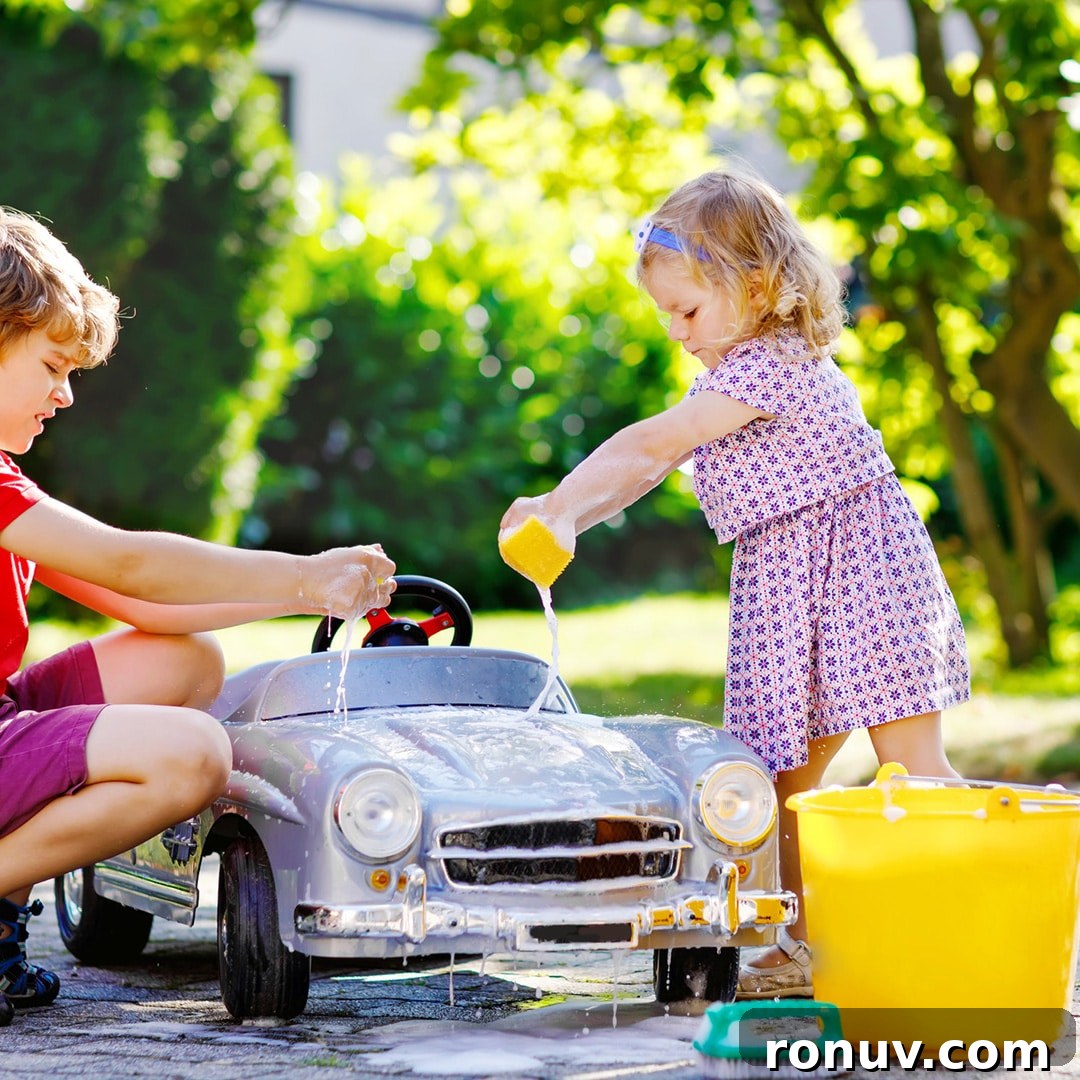
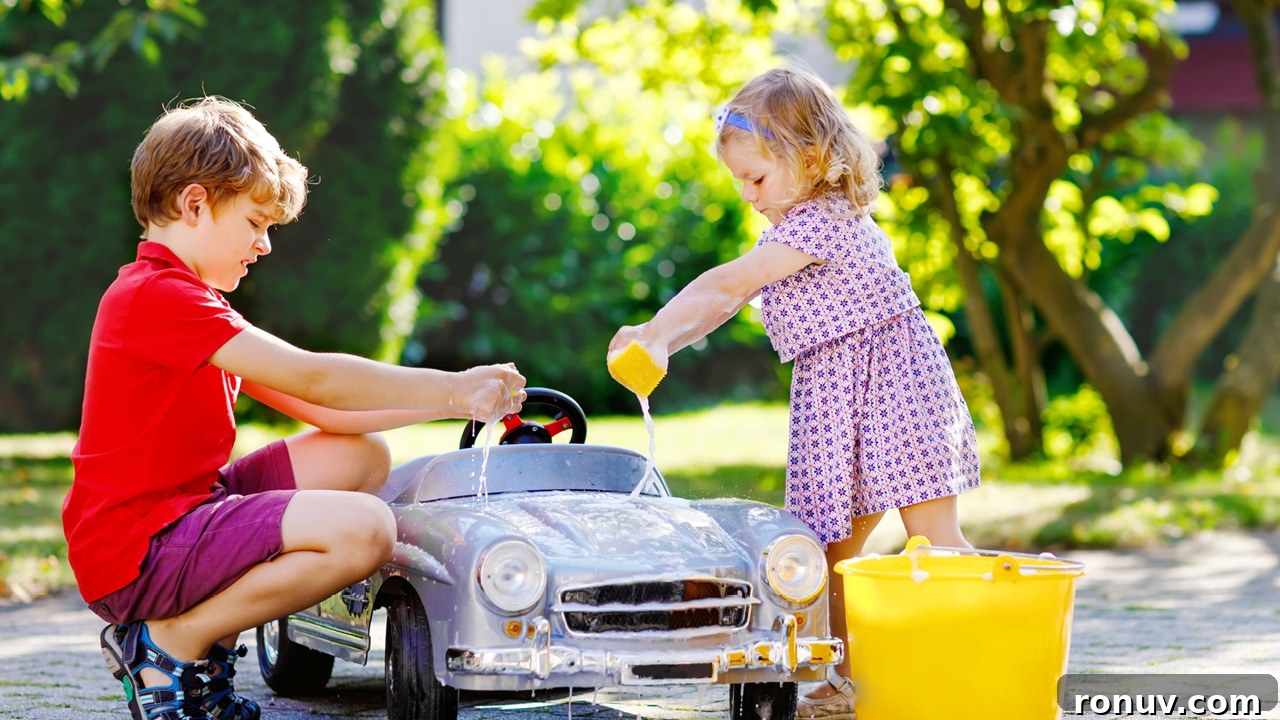
You might want to hide this post from the younger readers in your home—otherwise I’ll be hearing a chorus of “Gee, thanks” from them. One of the biggest advantages I discovered after switching to natural house cleaners is that many of the products are safe not only to use around children, but also safe enough for children to use themselves.
Before making the switch, cleaning felt like a covert operation. I avoided letting my kids be in the room while I cleaned because I didn’t want them breathing chemical fumes or accidentally grabbing a spray bottle. (Yes, I had one memorable call to poison control after an incident—one accidental spray of conventional cleaner in the mouth. According to the experts, it wasn’t an emergency, but it was a wake-up call.) For a while that meant cleaning late at night or during naps so the housework didn’t pose a risk to the kids.
However, now that I use cleaners made mostly from ingredients intended for the body or the home, the kids can help clean the messes they make.
With natural, non-toxic cleaners, I can invite my children to help without worrying about harsh fumes or dangerous residues. It takes a bit of enthusiasm on my part to make cleaning sound like fun, but when the children help, I get time back for other things and they learn responsibility. One child enjoys using the squeegee, so he “gets” to clean mirrors and windows with a diluted vinegar spray. My five-year-old loves spray bottles and a child-sized scrub brush, so that child helps with bathroom sinks and counters using a gentle all-purpose spray made from green ingredients. The results might not be museum-perfect, but practice builds skill, and the spaces still get cleaner.
A simple first task for kids is cleaning their own toys with non-toxic solutions. Turning a chore into playtime makes the task less of a battle and more of a learning opportunity. Since many green cleaning solutions are formulated to be mild, it’s generally fine if a little residue remains on surfaces—there are no hazardous fumes to worry about. If a spray accidentally lands on a child, there’s rarely a need for alarm. That said, I don’t recommend anyone drink concentrated cleaners, even mild ones, and it’s wise to supervise children until they can reliably aim a spray bottle away from their face.
I still prepare concentrated solutions myself because some ingredients, like essential oils, are potent when used full strength. Essential oils can be irritating to sensitive skin or overwhelming to young children, so I dilute them appropriately and keep those preparations out of reach. Over time I’ve come to trust these milder cleaning mixes enough to let the kids help not only when I’m in the room, but to let them clean their own spaces under light supervision. That shift has changed how our family approaches household chores—what used to be my sole responsibility is now shared, and the kids are learning practical skills early.
Beyond the immediate benefits of a cleaner home, involving kids in green cleaning teaches them about safety, responsibility, and caring for their environment. When children clean up the messes they make, they often think twice about creating them in the first place. That’s a small but meaningful step toward building lifelong habits.
*Note: The five-year-old I mentioned is now much taller than me!
Further reading
- Sal Suds Dilution Cheat Sheet
- Dilutions Cheat Sheet for Liquid Castile Soap
- Sal Suds or Castile Soap – Which to Use?
- DIY All-Purpose Cleaning Spray
*Peppermint and eucalyptus are not recommended for children under 3 years of age, as the cooling tingle of these scents may be overwhelming for very young children.