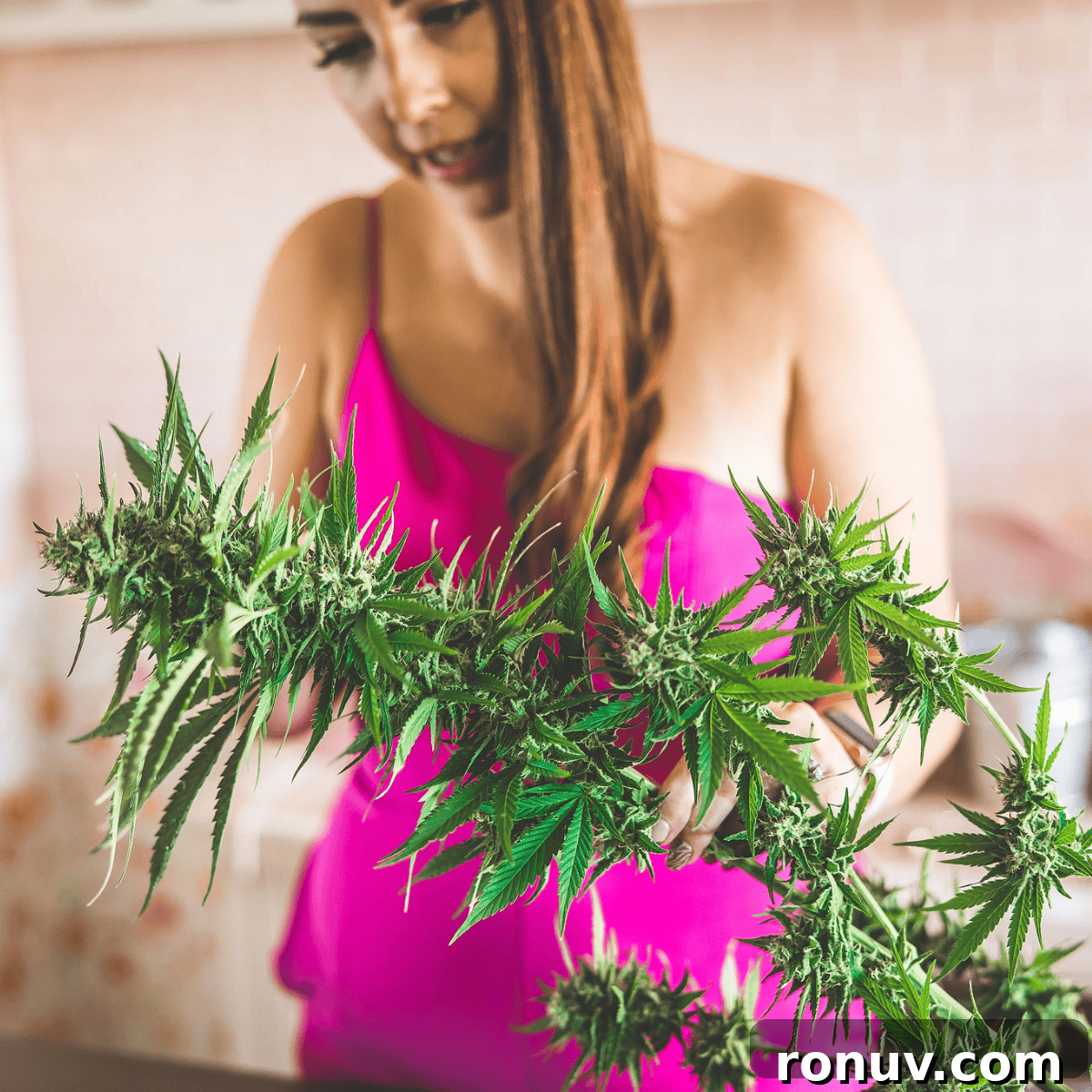
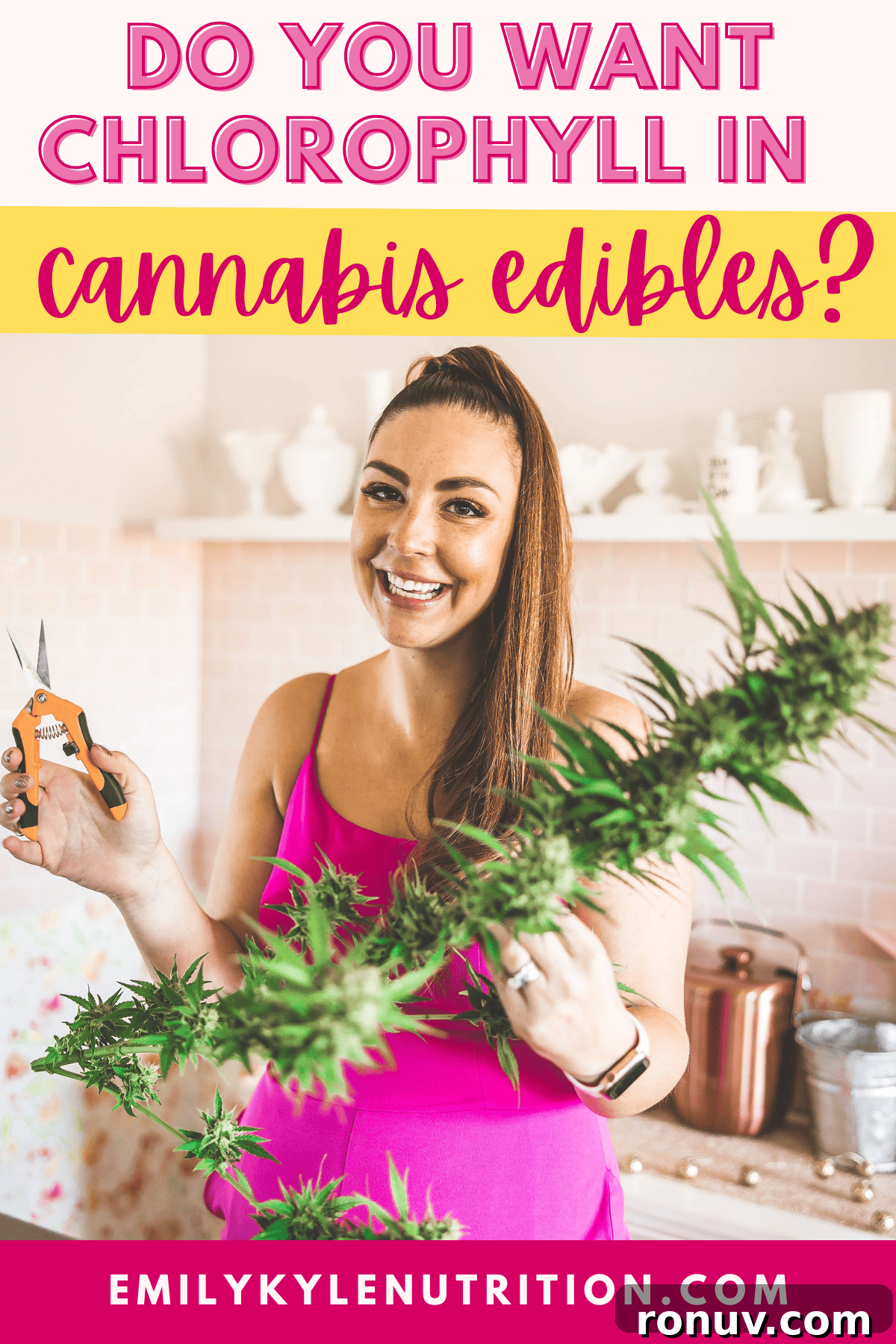
Have you ever wondered what the green color is that turns up in your cannabis infusions? It’s chlorophyll — harmless, not particularly flavorful. This article explains what chlorophyll is, why it matters in the cannabis plant, the potential health benefits, and whether you should keep it in your edibles. You’ll also learn practical ways to reduce or remove chlorophyll if you prefer a cleaner taste.
Article Features
- Clear explanation of chlorophyll and its role in plants
- Practical tips to reduce chlorophyll in edibles and tinctures
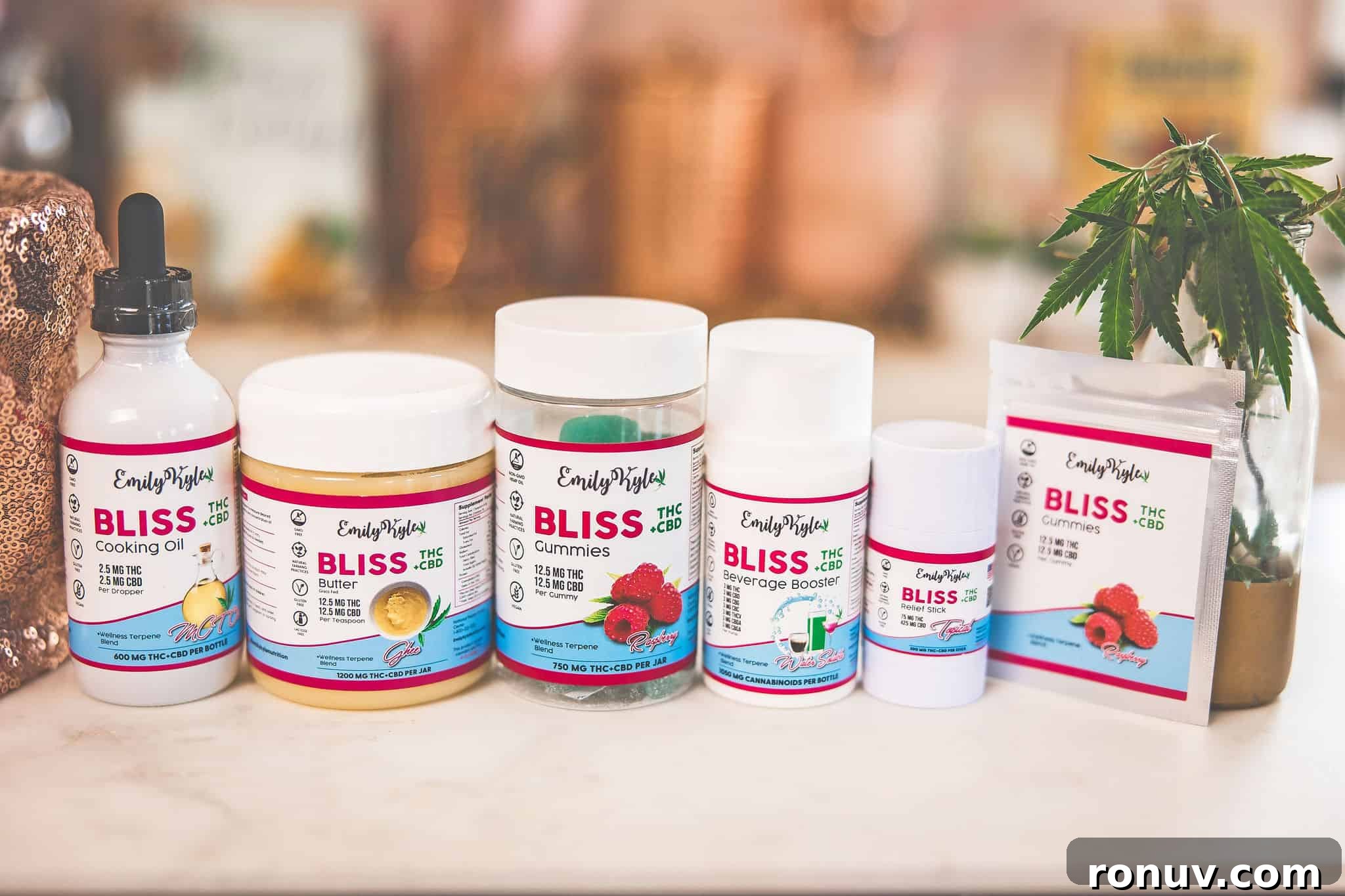
- Prefer convenience? Premium cannabis products are available for purchase via the author’s shop (promotion without external link).
Why You Will Love This Guide
Cannabis plants are bright green because of a pigment called chlorophyll. All green plants and many vegetables contain it. Consuming chlorophyll offers a variety of potential health benefits and, in some preparations, a characteristic grassy flavor that some people enjoy and others avoid.
This guide gives you a concise overview of chlorophyll, outlines its benefits, and offers practical, kitchen-friendly strategies to minimize chlorophyll in your cannabis edibles if you want a milder taste and aroma.
What Is Chlorophyll?
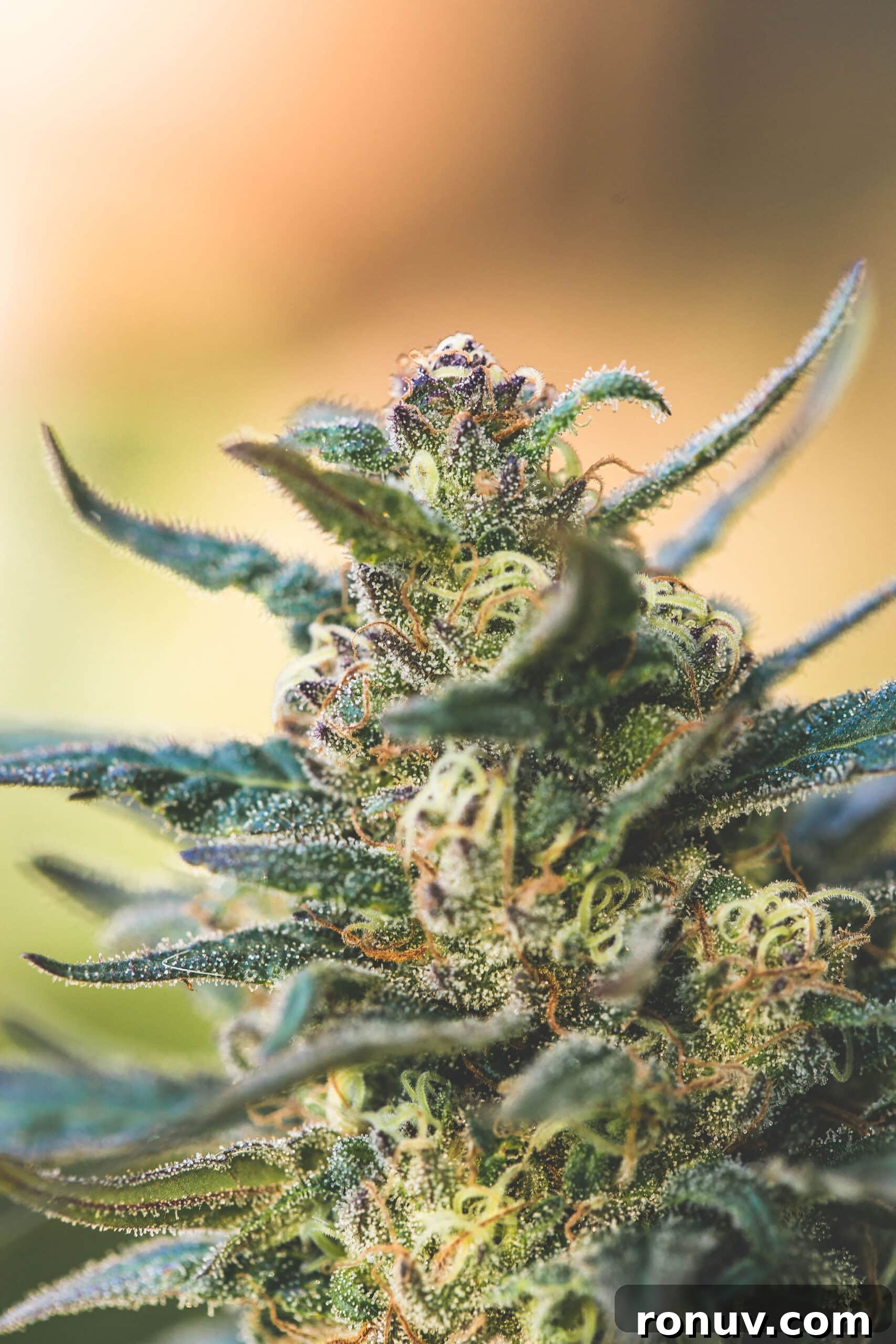
The word chlorophyll comes from Greek roots meaning “green leaf.” Chlorophyll is the green pigment in the chloroplasts of plant cells responsible for absorbing light. It’s essential for photosynthesis — the process plants use to convert light and water into glucose and oxygen.
In cannabis, chlorophyll enables the plant to capture sunlight and synthesize sugars used for growth. It also contributes to the characteristic green color and to a vegetal, grassy flavor that can carry through to extractions, infusions, and edibles.
The Health Benefits of Chlorophyll
Chlorophyll contains antioxidant properties and nutrients that can support health. In the human body, chlorophyll and related compounds can act in ways that parallel hemoglobin chemistry, supporting oxygen transport and cellular health. Research has also explored chlorophyll’s ability to bind certain carcinogens in the digestive tract, potentially reducing their absorption and lowering cancer risk in some models.
Chlorophyll-rich foods are a source of vitamins such as A, C, E, and K, and studies have suggested benefits for liver detoxification and overall antioxidant support. Research continues into broader therapeutic uses, but the current evidence supports chlorophyll as a nutritious component of a varied diet.
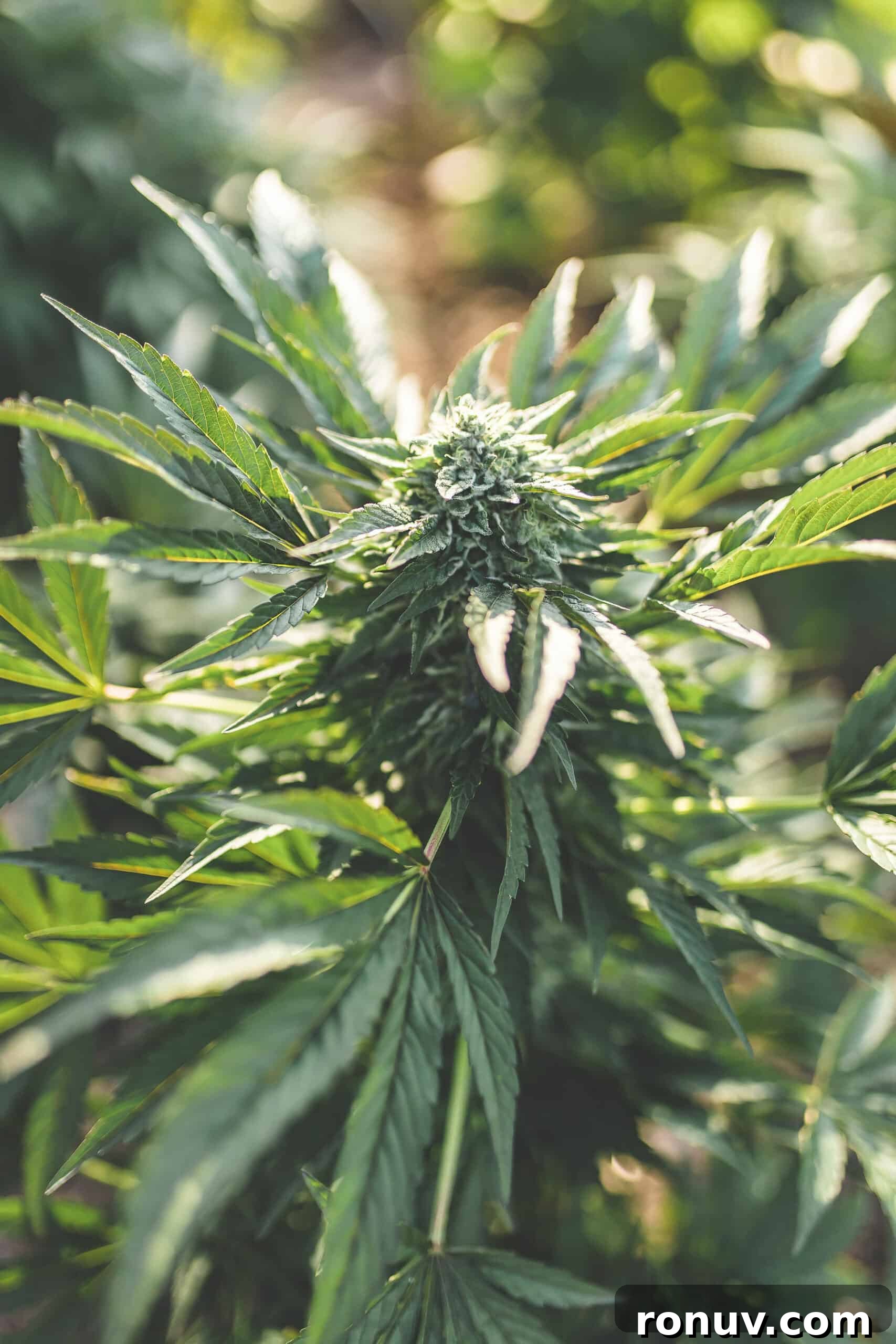
Get Chlorophyll from Veggies, Not Cannabis
Because chlorophyll occurs abundantly in leafy greens and other vegetables, many people prefer to get their chlorophyll from food rather than from cannabis products. Chlorophyll imparts a grassy, sometimes bitter flavor that can alter the eating experience for edibles and tinctures.
If you want the health advantages without the herbal taste in your edibles, consider increasing the chlorophyll-rich vegetables in your diet instead of relying on cannabis as a source.
Good vegetable sources of chlorophyll include:
- Spinach, kale, collard greens, and mustard greens
- Parsley, broccoli, asparagus, and green beans
- Peas, cucumbers, Brussels sprouts, and algae-based products
The deeper and greener the vegetable, generally the higher the chlorophyll content.
How To Remove The Chlorophyll From Edibles
Removing every trace of chlorophyll at home is difficult, but you can significantly reduce its presence and the resulting flavor with a few straightforward techniques. Most of these methods focus on minimizing plant matter or limiting extraction of chlorophyll into your carrier oil or alcohol.
A common first step is proper drying and curing of flower after harvest. Curing breaks down some chlorophyll and sugars, producing a smoother aroma and less grassy taste in the final product.
Do Not Grind Your Bud
Avoid grinding flower finely before infusion. Grinding increases surface area and releases more chlorophyll and other plant compounds into your oil or butter. For milder flavor, break buds gently with your hands into small, popcorn-sized pieces rather than pulverizing them.
When Making Butter and Oils
Use cleaner starting material such as kief or well-trimmed flower rather than trim or fan leaves. The more plant matter you include, the more chlorophyll you’ll extract. Shorter infusion times also reduce the amount of chlorophyll that migrates into the fat: an infusion of a few hours produces less color and plant flavor than an all-day or multi-day soak.
If you must use whole plant material, consider cold- or warm-infusion methods with careful monitoring of time and temperature to limit chlorophyll extraction.
When Making Tinctures
For alcohol-based extracts, choose quick wash extraction techniques that minimize wash time and reduce chlorophyll solubility. Short, cold washes — often referred to as quick wash extraction — remove cannabinoids while leaving much of the chlorophyll behind. In contrast, very long soak methods (weeks to months) tend to pull more chlorophyll and plant pigments into the tincture, resulting in a greener, earthier flavor.
Many people accept a small tradeoff in potency to gain a far superior taste and smoother mouthfeel in their tinctures.
Opt For Cannabis Concentrates
Concentrates such as distillates, rosin, or solvent-extracted oils remove most plant matter and chlorophyll, leaving a clean base for edibles and infusions. Because concentrates require only a small amount per recipe, any residual flavor is usually negligible. For cooks who dislike the vegetal notes of whole-plant infusions, concentrates are a reliable option.
If You Like The Taste
There’s no right or wrong way to enjoy cannabis. If you appreciate the green, herbal flavor of chlorophyll in your edibles, keep doing what works for you. Consuming chlorophyll with cannabis is safe for most people, though some individuals report mild stomach irritation when they consume large amounts.
Many users value fresh fan leaves, raw juices, or full-extract preparations precisely because they preserve the plant’s complete flavor profile. Ultimately, choice comes down to personal preference: aim for the balance of taste, potency, and health benefits that suits you best.
More Articles You Will Love
Articles & How-To Guides
A Beginner’s Guide to Cannabis Edibles
Articles & How-To Guides
How To Use Just Decarbed Cannabis in Edibles
Articles & How-To Guides
Lecithin for Edibles: Where, When & Why We Use It
Articles & How-To Guides