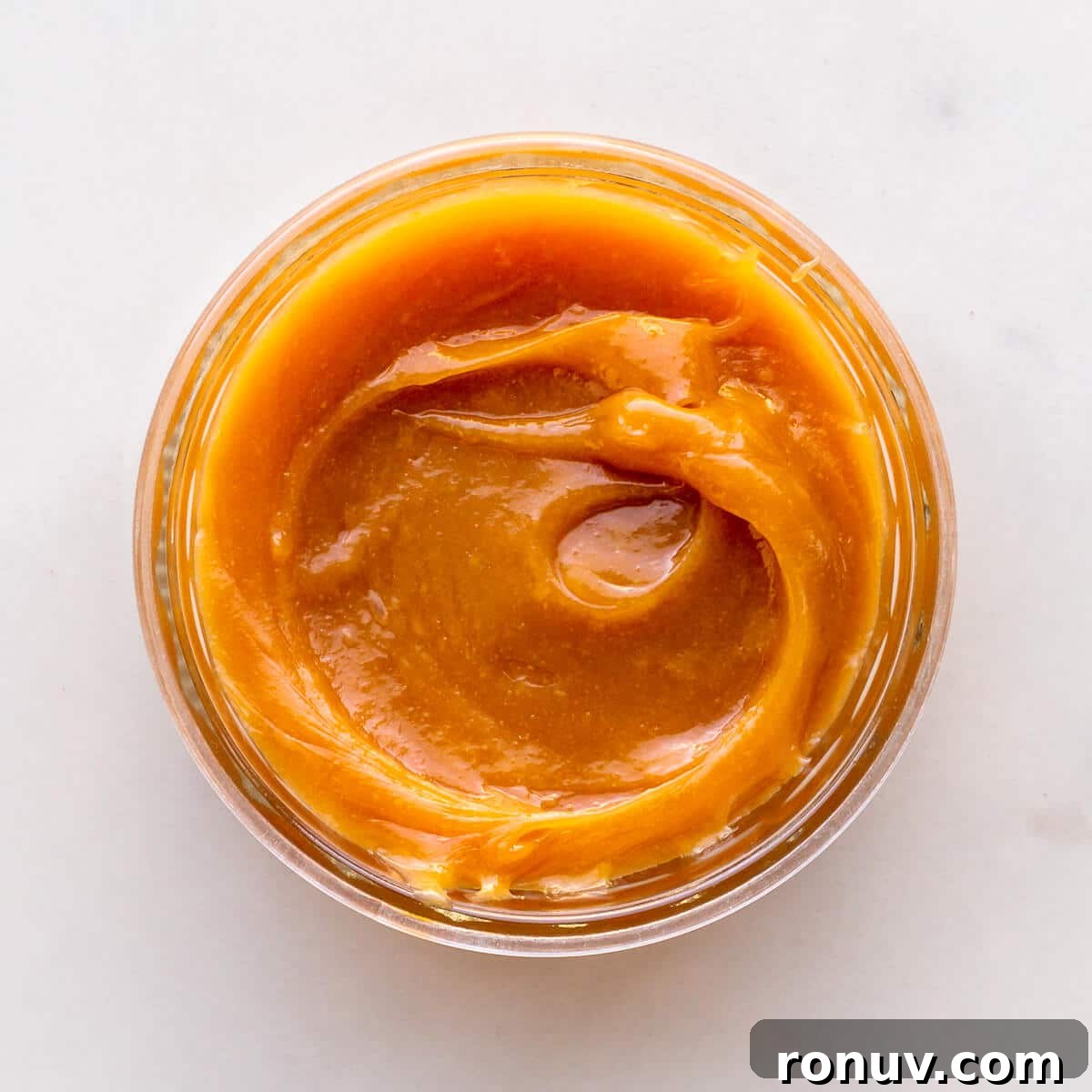
Learn how to make dulce de leche from scratch without using sweetened condensed milk. This clear, stove-top method transforms milk and sugar into a thick, caramelized spread perfect for toast, cakes, cookies, and more. Below you’ll also find a straightforward recipe with ingredient amounts, step-by-step instructions, storage tips, substitutions, and answers to common questions.
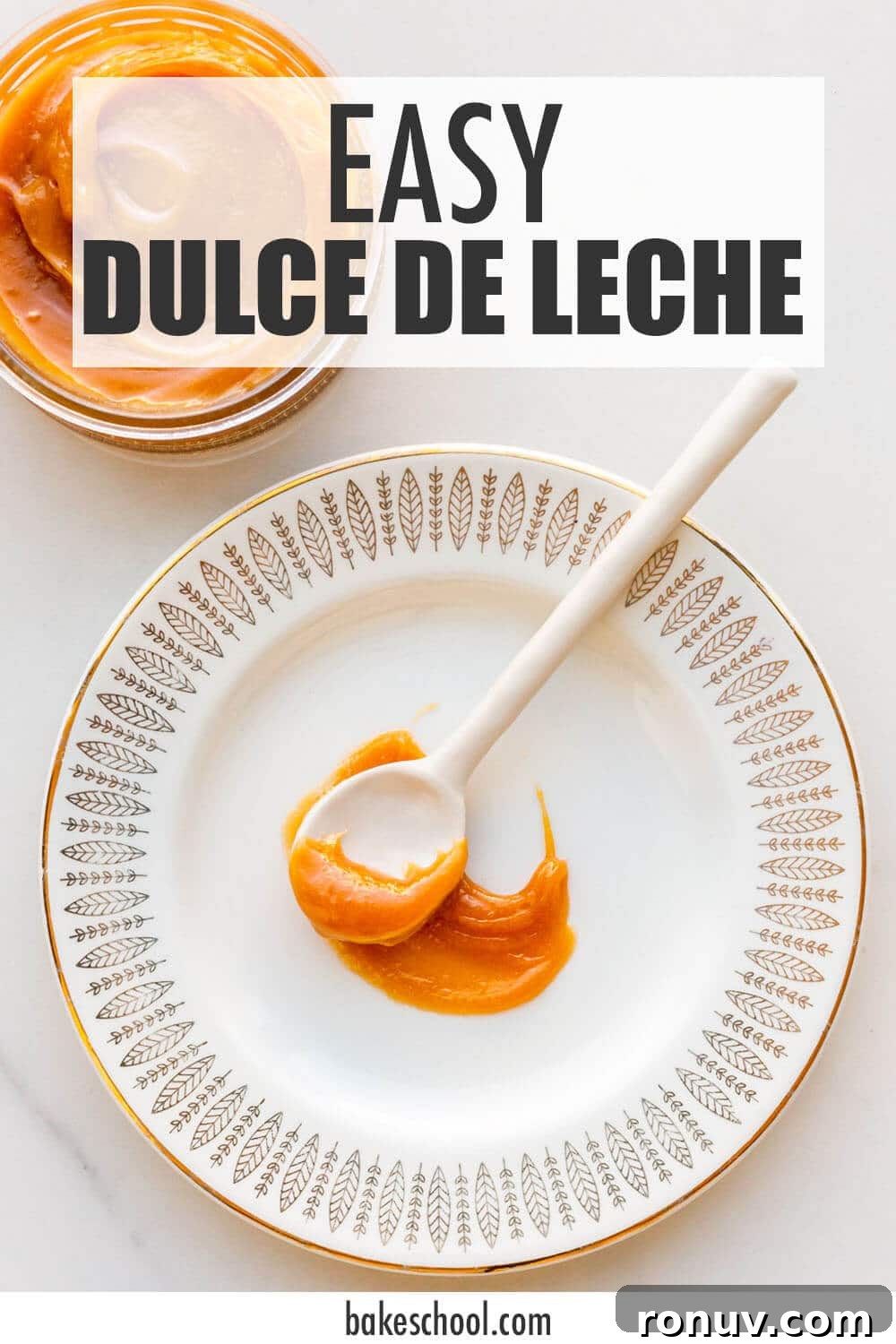
What it is
Dulce de leche is a creamy, caramelized milk spread popular across Latin America. Often called “milk jam,” it has a rich, sweet flavor and a thick, spoonable texture. It’s delicious spread on bread or brioche, used as a filling for layer cakes and sandwich cookies, or piped between layers in desserts like alfajores.
How it differs from caramel
Dulce de leche and caramel sauce are related but distinct. Dulce de leche is made by cooking milk with sugar so both the sugars and milk solids slowly brown and concentrate. Caramel sauce typically starts by melting and browning sugar alone; dairy like cream or butter is added afterward. The different processes produce distinct flavor profiles: dulce de leche is rounder and milk-forward, while caramel often has stronger burnt-sugar notes.
Both can be cooked to varying thicknesses. If you need a thicker filling, continue cooking either preparation until it reaches the desired consistency.
Ways of making it from scratch
You can make dulce de leche several ways. Common approaches include starting with cans of sweetened condensed milk or cooking whole milk and sugar together on the stove. Methods that use canned condensed milk include boiling a sealed can (risky if water level falls), heating a decanted can in a water bath in the oven, or simmering the decanted milk in a saucepan. Starting from milk and sugar requires more stirring and time but gives excellent control over texture and flavor.
All methods aim to concentrate the liquid, brown the sugars, develop Maillard flavors, and thicken the mixture into a spreadable jam.
How it’s used
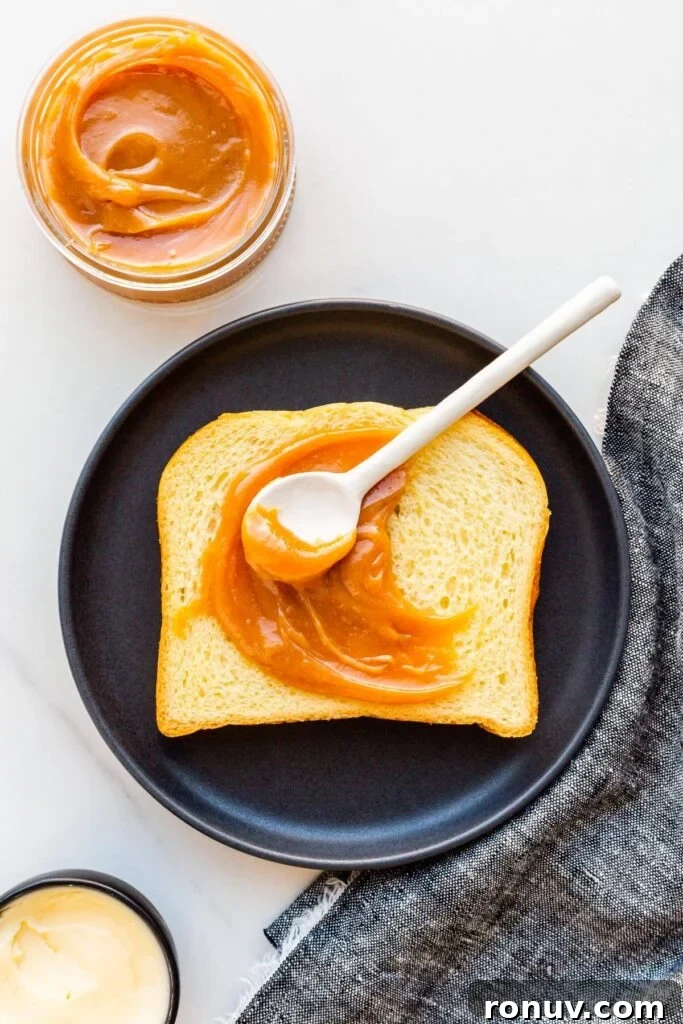
Dulce de leche is versatile: use it as a spread at breakfast, fold it into frostings, layer it into cakes, or sandwich it between cookies. It makes an especially indulgent filling for shortbread or alfajores-style cookies and pairs beautifully with fruits, nuts, and chocolate.
The chemistry of dulce de leche
Three main processes shape dulce de leche: evaporation, caramelization, and Maillard browning.
Evaporation
Cooking milk uncovered concentrates the mixture as water evaporates, producing a richer, thicker result compared with closed-vessel methods. For example, a litre of milk can reduce substantially—intensifying flavor and texture as solids concentrate.
Caramelization
Sugar molecules break down and form brown, flavorful compounds during caramelization. In dulce de leche, both added sugar and the milk’s natural sugar (lactose) brown, producing warm, toffee-like flavors.
Maillard browning
The Maillard reaction between proteins and sugars contributes savory, complex aromas that differ from pure caramelization. Small amounts of a mild base like baking soda are sometimes used to encourage Maillard reactions and deepen color, but use sparingly to avoid off flavors.
Making dulce de leche from milk
Ingredients
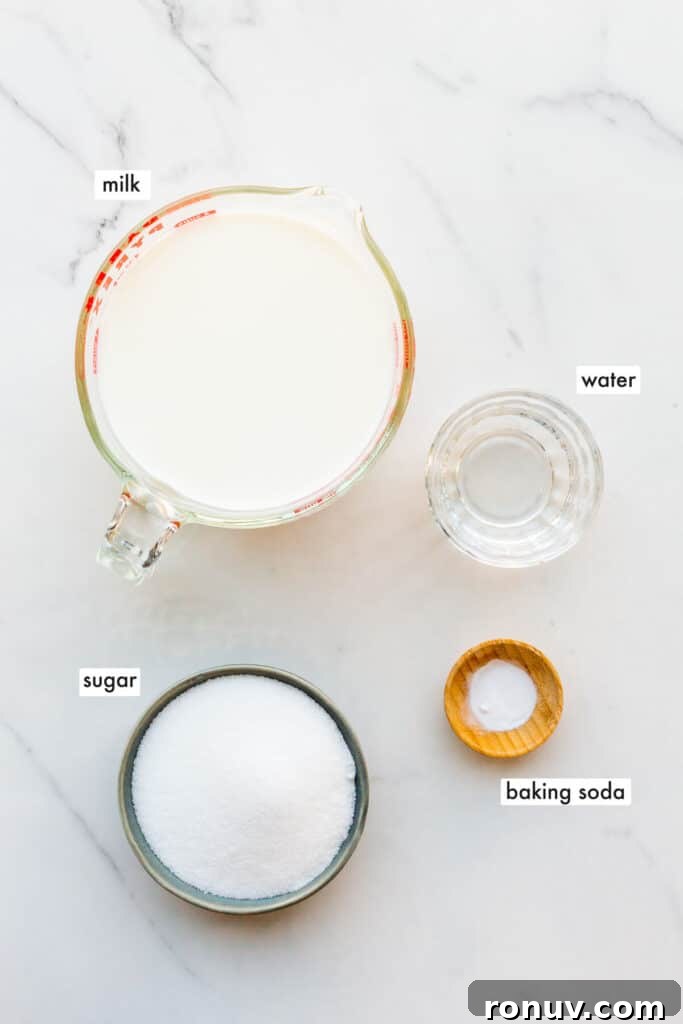
You need only a few simple ingredients:
- Whole milk or 2% milk — 1 L (4 cups)
- Granulated sugar — 300 g (about 1 1/2 cups)
- Water — 60 mL (4 tbsp)
- Baking soda — 2.5 mL (1/2 tsp), optional (helps with browning)
These quantities yield roughly 24 tablespoons of dulce de leche and a spreadable consistency. Reduce or double as needed.
Equipment
- Large heavy-bottomed pot (at least 4 quarts / 4 litres)
- Wooden spoon or heatproof spatula
- Clean jars for storage
Method
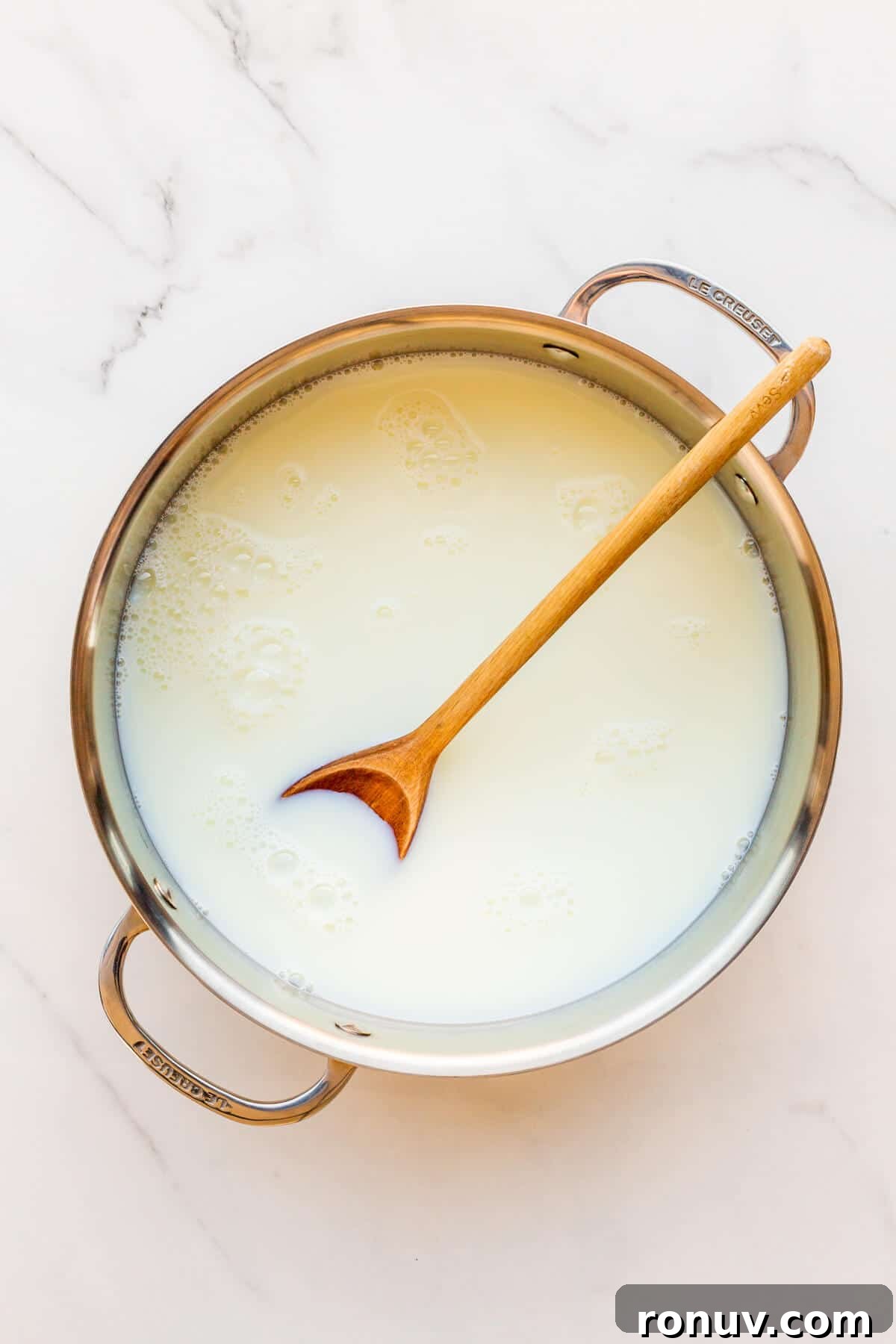
- Combine the milk and sugar in a large pot and set over medium-high heat. Stir occasionally until the mixture reaches a gentle boil.
- In a small bowl, dissolve the baking soda in the water.
- When the milk boils, remove the pot from the heat and stir in the dissolved baking soda. Return the pot to the burner and bring back to a boil, then reduce to a low simmer.
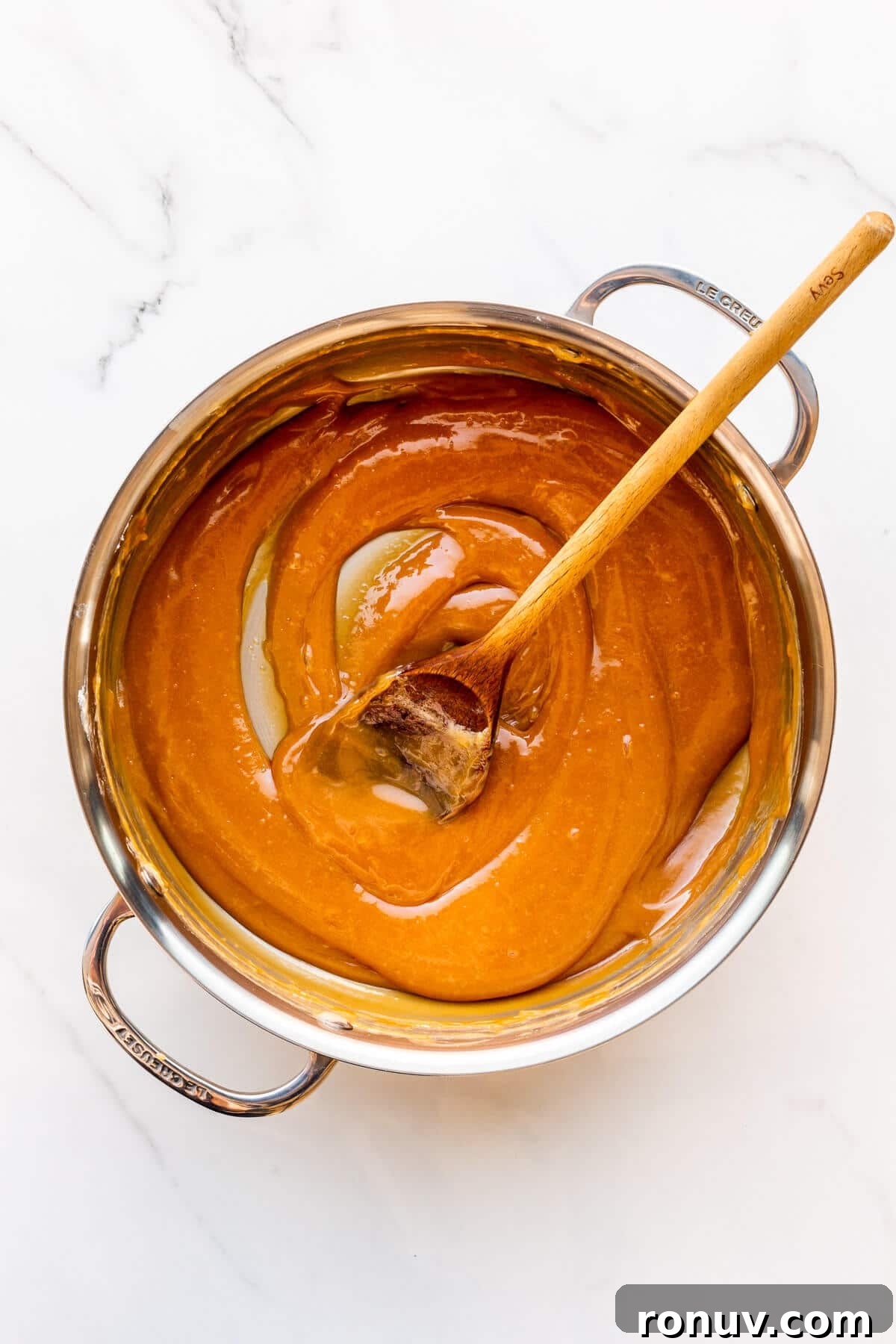
- Simmer gently, stirring more frequently as the mixture thickens, for about an hour or until the milk turns a deep golden-amber and reaches a thick, spreadable consistency. Use the back-of-a-spoon test or dollop a little on a cool saucer to check thickness.
- When done, transfer the dulce de leche to clean jars and let cool to room temperature before sealing. Refrigerate for up to two weeks.
Storage
Store cooled dulce de leche in a sealed jar in the refrigerator for up to two weeks. For longer storage, freeze in airtight containers for up to three months; thaw in the fridge before use.
Substitutions
- Start with sweetened condensed milk: omit the added sugar and follow your preferred condensed-milk caramelizing method.
- Lactose-free option: use lactose-free milk in the same proportions.
- Dairy-free option: use canned coconut milk or sweetened condensed coconut milk; omit additional sugar if using the sweetened condensed coconut milk.
Variations and flavoring
You can infuse the milk while cooking with a split vanilla bean, vanilla paste, or whole spices like a cinnamon stick or crushed cardamom for aromatic variations. Add these early in the process and strain them out before bottling.
Recipe
Dulce de Leche (from milk and sugar)
Yields: about 24 tablespoons. Prep: 5 minutes. Cook: ~1 hour.
Ingredients
- 1 L milk (whole or 2%)
- 300 g granulated sugar
- 60 mL water
- 2.5 mL baking soda (optional)
Instructions
- Combine milk and sugar in a large, heavy pot and heat to a gentle boil, stirring occasionally.
- Dissolve the baking soda in the water.
- Remove the pot from heat at the first boil, stir in the baking soda solution, then return to heat.
- Reduce to a simmer and cook, stirring regularly, for about an hour until deep amber and thick. Stir more often as it thickens to prevent scorching.
- Cool to room temperature, transfer to jars, and refrigerate.
Notes
You can infuse milk with vanilla or spices for extra flavor. If the dulce de leche is still thin when cooled, continue cooking to reduce further until you reach the desired thickness.
Nutrition (approx.)
- Calories: 73 kcal per tablespoon
- Carbohydrates: ~14 g
- Protein: ~1 g
- Fat: ~1 g
Frequently asked questions
Yes. Hot dulce de leche is noticeably thinner than when it cools. If it remains quite thin after cooling, cook it down further until it reaches the desired thickness.
They are similar in method but use different milks. Dulce de leche is typically made from cow’s milk, while cajeta is traditionally made from goat’s milk, giving cajeta a distinct flavor profile.