When you juggle kids, work, and household chores, persistent back pain can become a constant drain. Daily tasks like lifting children, carrying groceries, and repetitive bending put strain on the lower back and shoulders. Over time this leads to ongoing discomfort that affects energy, mood, and overall quality of life.
Investing in the right mattress is one practical step that can reduce back pain and improve sleep. This article explains how a supportive mattress helps busy moms sleep better, ease pain, and wake up feeling more refreshed.

The Importance of Sleep for Busy Moms
Quality sleep restores both body and mind. For busy mothers, restorative sleep is essential for stamina, patience, and physical recovery. But chronic back pain often interrupts sleep, leaving moms tired and tense the next day. Addressing sleep quality is a key part of managing back pain—better sleep supports healing, lowers stress, and improves daily function.
Finding solutions that relieve pain at night and support healthy sleep posture can make a major difference in energy levels, mood, and ability to handle daily responsibilities.
Understanding Back Pain and Its Causes
Back pain has many causes: muscle strain from lifting, poor posture from prolonged sitting, spinal conditions, and changes related to pregnancy or postpartum recovery. Frequent bending, carrying children, and repetitive household tasks all contribute to cumulative stress on the back. For new mothers, hormonal and postural changes during pregnancy can also shift the body’s center of gravity and strain the lumbar area.
Recognizing the contributing factors—lifting technique, sleep posture, and daily habits—helps you make targeted changes. Consulting a healthcare professional is important if pain is severe, radiates, or persists, but improving sleep support and mattress choice is often a helpful, non-invasive first step.
Why a Good Mattress Matters
A mattress that supports proper spinal alignment reduces pressure points and prevents muscles from tensing overnight. A mattress that’s too soft allows the spine to curve unnaturally; one that’s too firm can create pressure on hips and shoulders. The ideal mattress balances support and comfort so your spine remains neutral and your muscles can relax during sleep.
Proper mattress support also helps reduce tossing and turning, improves sleep continuity, and promotes faster recovery after a busy day of caregiving and chores.
Mattress Types to Consider
When purchasing a mattress quickly, it’s easy to pick one that looks comfortable but doesn’t fit your needs. Below are common mattress types that suit different sleep preferences and back pain concerns.
1. Memory Foam Mattresses
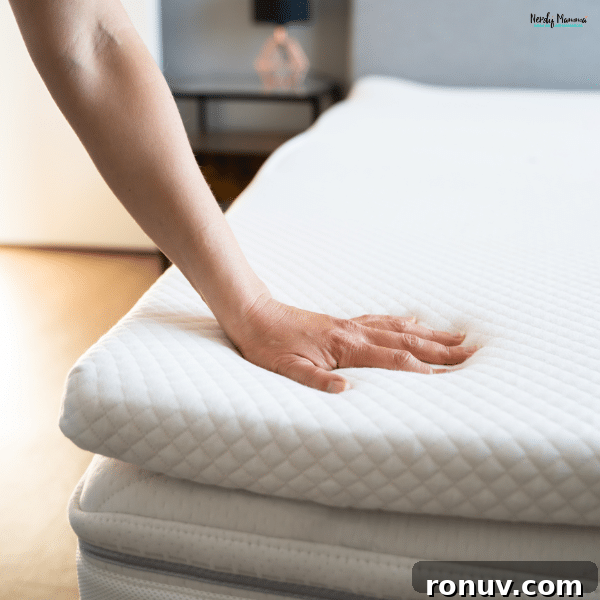
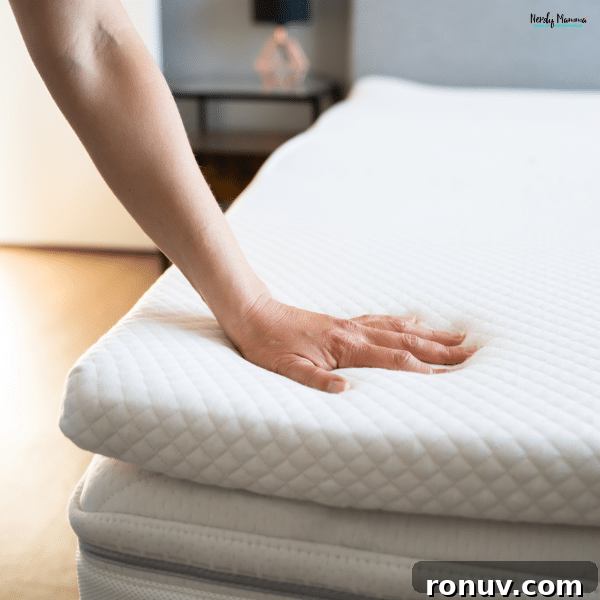
Memory foam conforms to your body, distributing weight evenly and reducing pressure points. It responds to body heat and weight to cradle curves and support the lumbar region. Memory foam can be especially helpful for side sleepers because it cushions hips and shoulders while keeping the spine aligned.
Consider memory foam if you want motion isolation and contouring support. Look for durable, high-density foam and consider a breathable top layer to reduce heat retention.
2. Latex Mattresses
Latex offers resilient support and a slightly springy feel. Natural latex tends to be durable and provides consistent pressure relief with a bit more responsiveness than memory foam. Latex mattresses often sleep cooler due to good airflow through the material, which benefits those who overheat at night.
Latex can work well for back and combination sleepers who need both support and a degree of bounce for easy repositioning.
3. Hybrid Mattresses
Hybrid mattresses combine foam or latex comfort layers with innerspring coils for added support and airflow. This combination delivers pressure relief from the top layers and targeted support from the coils, making hybrids a versatile choice for many body types and sleep positions.
Hybrids often provide the balance of contouring and responsiveness that helps reduce back pain while allowing easy movement during the night.
Tips for Selecting the Right Mattress
Keep these practical tips in mind when choosing a mattress to relieve back pain:
Consider Your Sleep Position: Side sleepers usually prefer a slightly softer surface to cushion shoulders and hips; back and stomach sleepers often need a firmer surface to maintain spinal alignment.
Test Firmness and Support: Try mattresses in-store when possible, and take advantage of trial periods to assess comfort at home. A mattress should support the natural curve of your spine without excessive sinking.
Check Warranty and Trial Period: A generous trial period and a solid warranty let you return or exchange the mattress if it doesn’t suit your back or sleep needs.
Think Long Term: A good mattress is an investment—higher-quality materials often last longer and maintain support. Consider a mattress protector and rotate or flip according to manufacturer recommendations to extend lifespan.
Conclusion
For busy moms managing daily physical demands, choosing the right mattress is a practical and impactful step toward reducing back pain and improving sleep quality. A supportive, well-fitting mattress helps keep the spine aligned, eases pressure points, and supports restorative sleep—so you can wake up more energized and better equipped to handle each day.
Pair a suitable mattress with healthy lifting techniques, regular movement, and professional guidance when needed, and you’ll be more likely to experience lasting relief and improved wellbeing.