I interview a wide range of people across many professions, but I’d never had a woodworker on the show before. At first I worried that woodworking would be too technical for a podcast format, but this conversation proved otherwise.
Anika and I are both moms, so our discussion naturally explores woodworking as an analogy for parenting, learning, and building life skills. If you’ve been waiting for a reason to pick up a creative hobby, this episode will inspire you to make time for one.
Highlights from our conversation include:
- How Anika transitioned from a career in engineering and science into woodworking and built a popular online presence as a female woodworker
- Why the simplest way to begin woodworking (or any creative pursuit) is to start—imperfectly—right away
- How an engineering background can make someone a more thoughtful builder, and why the left-brain/right-brain divide is overrated
- The real-life skills kids and adults develop while making things: problem-solving, patience, creativity, and more
- The two essential tools to begin with—a cutting tool and a joining tool—and how inexpensive options lower the barrier to entry
- How confidence grows through hands-on work, and how failure becomes a learning opportunity
- The importance of carving out small, regular blocks of time for creative hobbies while modeling curiosity and persistence for our children
Let’s grab a power drill and get building!
Find all episodes of the Healthy Parenting Handbook on your preferred podcast platform. Listen wherever you get podcasts:





Please consider leaving a review on your podcast app—your feedback helps the show reach more parents.
Episode video is available on YouTube if you prefer to watch the conversation. Search the episode title to find the video.
No time to watch? Here are the show notes and key takeaways.
These timestamps align with the audio podcast and are close to the video timing.
- 3:00 – Anika’s beginning: In 2011 she picked up a power drill with no prior experience and discovered she could design and build her own furniture. That moment sparked a new path that eventually led to sharing her work online.
- 7:38 – How she learned: Anika found tutorials, blogs, and videos online and combined those resources with her engineering approach to design and plan projects.
“It takes time. It’s just a matter of patience and persistence.” — Anika Gandhi
- 9:52 – The right-brain/left-brain myth: Anika emphasizes that creativity and technical thinking go hand in hand. Engineering and science benefit from imaginative problem-solving as much as any artistic pursuit.
Benefits of Hands-On Hobbies
- 14:39 – Bringing kids into the workshop: Anika involves her children so they can see how things are made, ask questions, and learn that making is possible.
- 16:16 – Small projects matter: A playful anecdote about her son building a bed for his dinosaurs shows how simple projects spark imagination and confidence.
- 19:16 – Patience and discipline: Woodworking teaches following steps carefully—there are no shortcuts when safety and good results matter.
- 21:02 – The satisfaction of making by hand: In a world of instant gratification, building something yourself forces you to problem-solve and slows you down in a rewarding way.
Gaining Confidence Through DIY
- 23:49 – Confidence grows through practice: Kids gain confidence through making, and adults do, too. Starting a hobby requires bravery to be imperfect at first—just begin.
- 25:09 – Tools to start: Choose one tool to cut and one to join. A miter saw is beginner-friendly for making straight cuts, while a circular saw is more portable and affordable. A power drill is an excellent joining tool, and a pocket hole jig can elevate finished projects.
- 27:00 – Make time for yourself: Carve out an hour or two a week and protect that time as non-negotiable so you can make steady progress on a hobby.
“You’ve totally earned an hour or two a week for yourself. It’s not that bad.” — Anika Gandhi
- 28:15 – Favorite projects: Anika shares several approachable, rewarding projects she’s developed over the years that are great for beginners and families.
- 29:22 – Talking about failure: Letting kids fail matters. Failure is part of learning, and experiencing it in controlled settings builds resilience.
- 30:54 – Practical takeaway: Start a small creative step today. It could be planning a simple project, buying a basic tool, or carving out weekly creative time.
Resources Mentioned
- Register for the LifeSkillsNow summer program (search by name to find details)
- Why we need to let kids fail — an interview and article on the topic
- Find Anika online by searching her name and channel for woodworking tutorials and project ideas
- Watch her videos on YouTube and follow her on social platforms for project inspiration
- Free guide referenced: Power Tools Simplified (search for the guide by name)
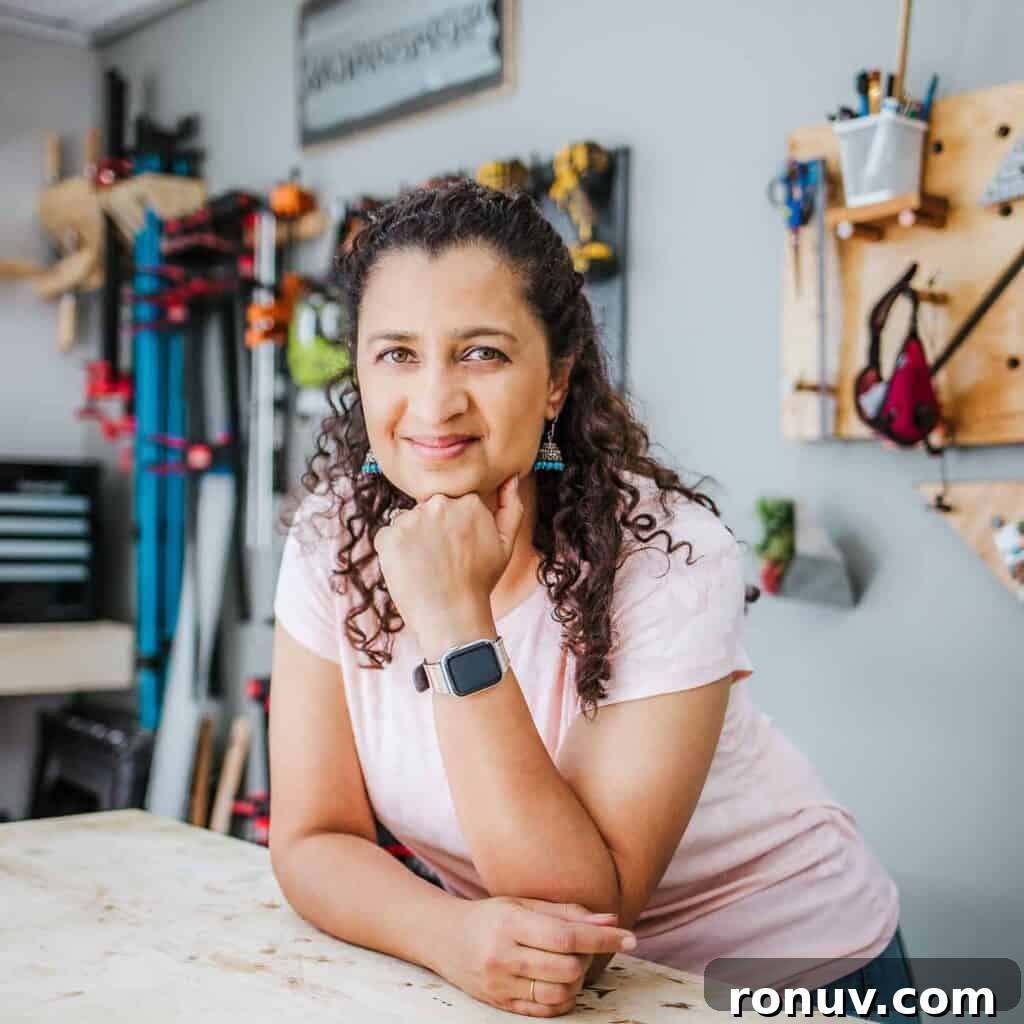
Anika Gandhi is the creator behind Anika’s DIY Life. Her goal is to demystify DIY and inspire beginners with woodworking, home improvement, and decor projects. Before woodworking, she worked as a scientist and engineer. Raised with no exposure to power tools, she picked up a drill in 2011 and discovered she could build furniture. Anika aims to break gender and cultural stereotypes, unlock creative potential, and help others experience the satisfaction of making things with their own hands.
Her projects are approachable, designed for beginners, and infused with practical tips. Over the years, Anika’s work has been featured in a variety of home and DIY publications and media outlets.
Thanks for reading the notes. Take a small creative step this week—plan, cut, or join something—and share the process with a child or friend. The skills and confidence you build will extend far beyond the workshop.