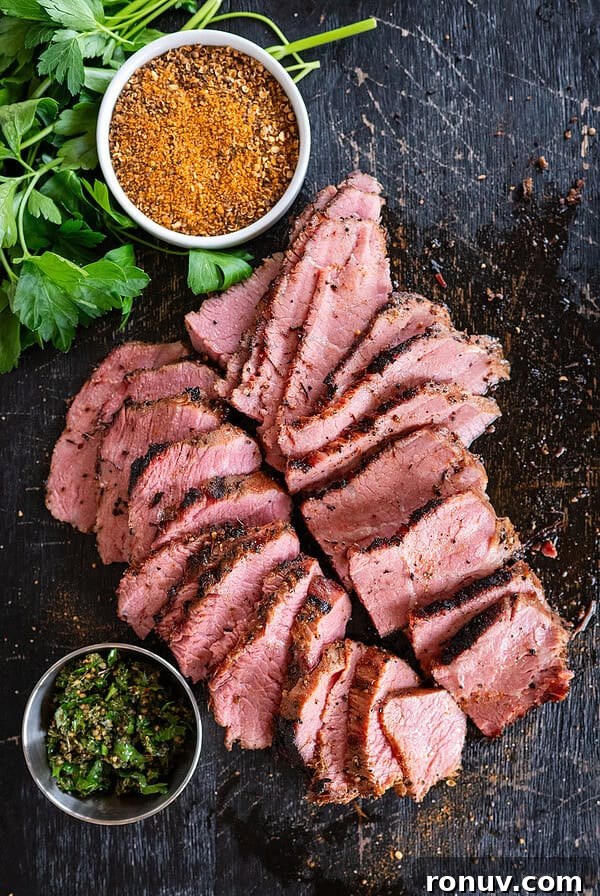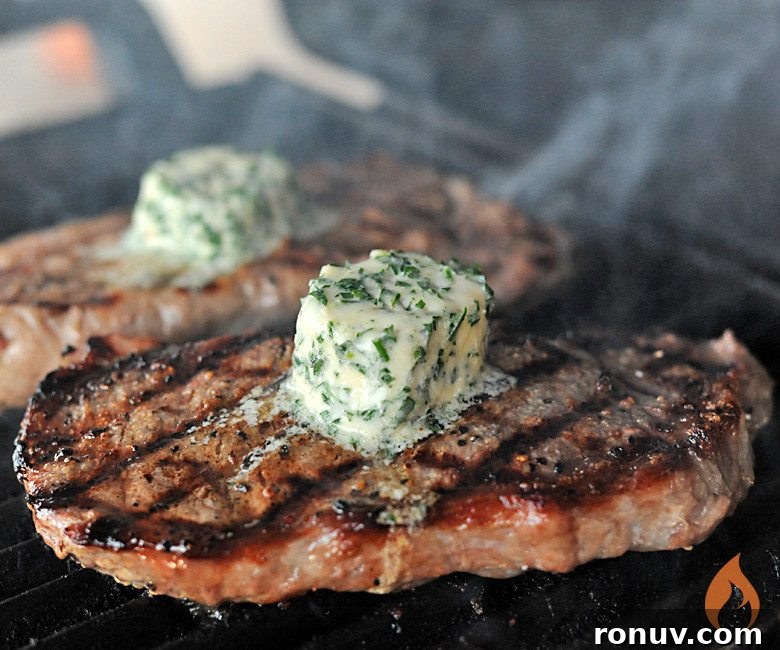
When you shop for diamonds you learn the 4 Cs: cut, clarity, color and carat. At Girls Can Grill we prefer a different kind of diamond—beef diamonds—so here’s a practical guide to the 4 Cs of buying and cooking steak: cut, color, cost and cooking method.
The Cut
Choosing the right cut is the first step to a great steak dinner. Popular options include ribeye, sirloin, New York strip, skirt, flank, tri-tip and eye of round. Each cut behaves differently on the grill and delivers distinct textures and flavors.
Think about how much time you want to spend cooking. Tender, well-marbled cuts like ribeye and New York strip cook quickly and are forgiving. Leaner cuts such as flank and sirloin benefit from longer marinades and slightly gentler heat to avoid toughness.
Portion size matters too. Filet mignon and many sirloin steaks are often cut in 6–8 ounce portions, while ribeyes and New York strips are frequently sold in 12–16 ounce portions. Flank and skirt steaks are commonly marinated, grilled and sliced thin for tacos, salads or sandwiches rather than served as single thick steaks.
The Color
Bright red meat usually indicates freshness, but color alone doesn’t tell the whole story. High-end restaurants often serve dry-aged beef, which takes on a darker, brownish crust and develops concentrated, savory flavors after aging in controlled conditions.
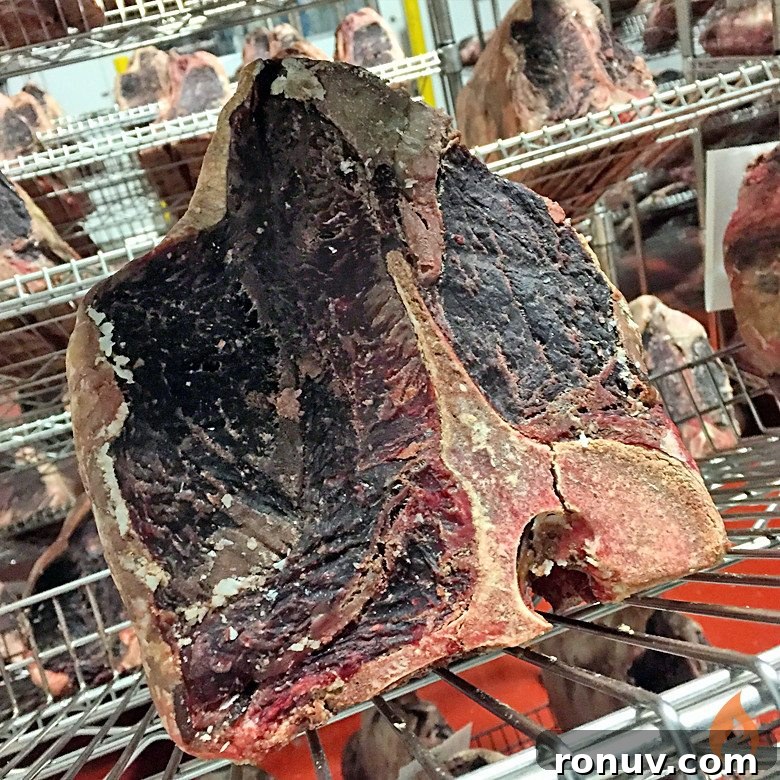
For everyday cooking, look for a bright red color and firm texture. Freshly cut meat exposed to oxygen will appear red; if it has been stored longer it will begin to brown as oxidation and the natural aging process take place. Browning doesn’t always mean spoilage, but it can indicate the meat has been refrigerated for a while or is undergoing dry-aging.
The Cost
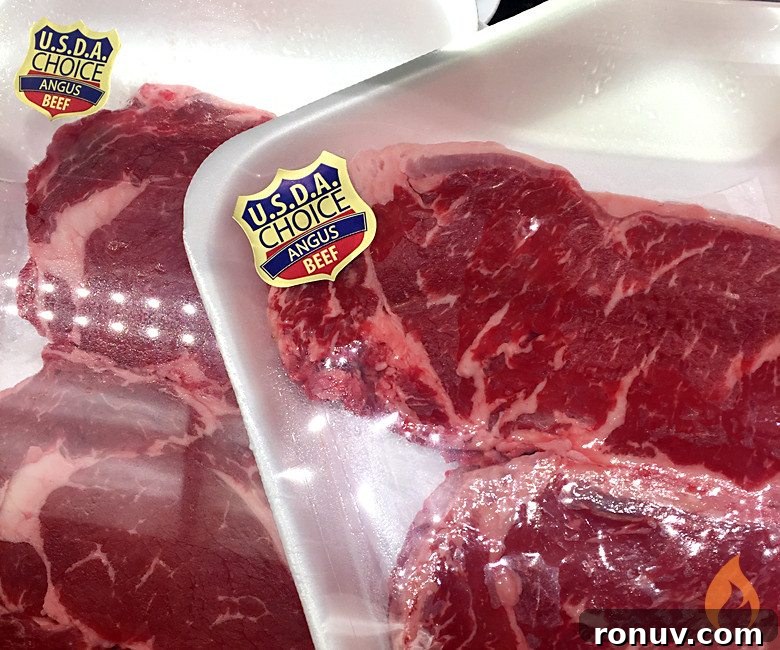
Quality and price vary widely across beef grades. In the U.S., the USDA grading system helps you choose by assessing tenderness, juiciness and flavor. Prime represents the highest marbling and flavor and is typically found in upscale restaurants. Choice is a very good middle ground—tasty and more affordable. Select is leaner and generally less expensive, better suited for slow cooking or braising than for high-heat grilling.
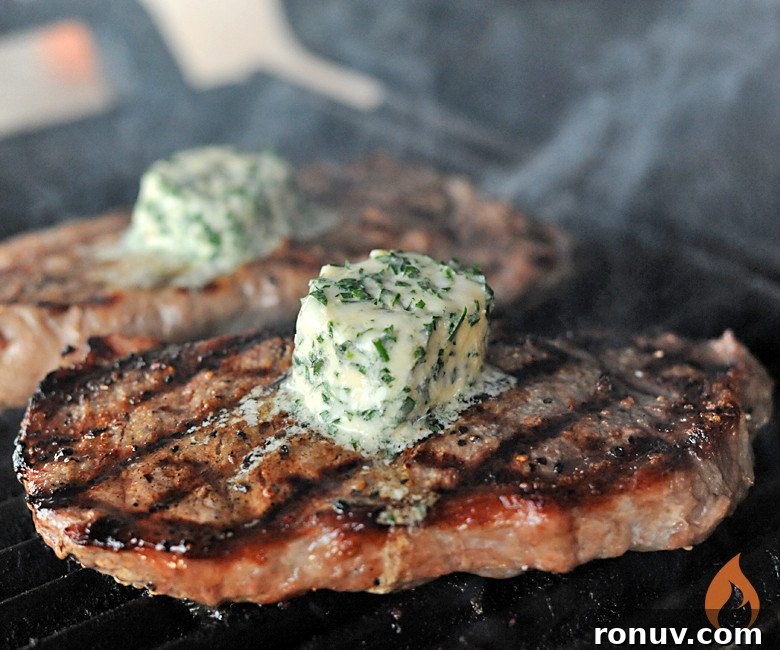
If you choose a leaner grade but still want rich flavor, add finishing touches such as a compound butter, herb butter or a touch of additional fat during cooking. Some grocery chains label their beef clearly with USDA grades, which makes it easier to know what you’re buying at a glance.
USDA Select is the most budget-friendly grade and can be delicious when prepared appropriately, but for quick, high-heat grilling most cooks prefer Choice or Prime cuts for their superior marbling and juiciness.
The Cooking Method
Once you’ve chosen a bright, well-marbled cut, the final C—cooking method—determines how that steak will taste. Proper technique highlights the meat’s natural flavor and texture.
Preheat the grill to medium-high or high and establish both direct and indirect heat zones. For gas grills, light only part of the burners; for charcoal, bank the coals to one side. This setup lets you sear over direct heat and finish over indirect heat for even doneness.
- Season generously. For fattier cuts, a simple blend of kosher salt, coarse black pepper and garlic powder lets the meat shine. Don’t be afraid to season liberally—salt enhances flavor and helps form a savory crust.
- For leaner cuts, consider an overnight marinade to help tenderize and add flavor. A basic marinade can include oil, an acid such as vinegar or citrus juice, a touch of sweetener like honey, and your preferred herbs and spices.
Sear steaks over direct heat for roughly 5–7 minutes per side for medium-rare thicknesses, then transfer to the cooler side of the grill to finish to your preferred doneness. If you’re unsure about doneness, use an instant-read thermometer for accuracy; feel-based methods are helpful but take practice.
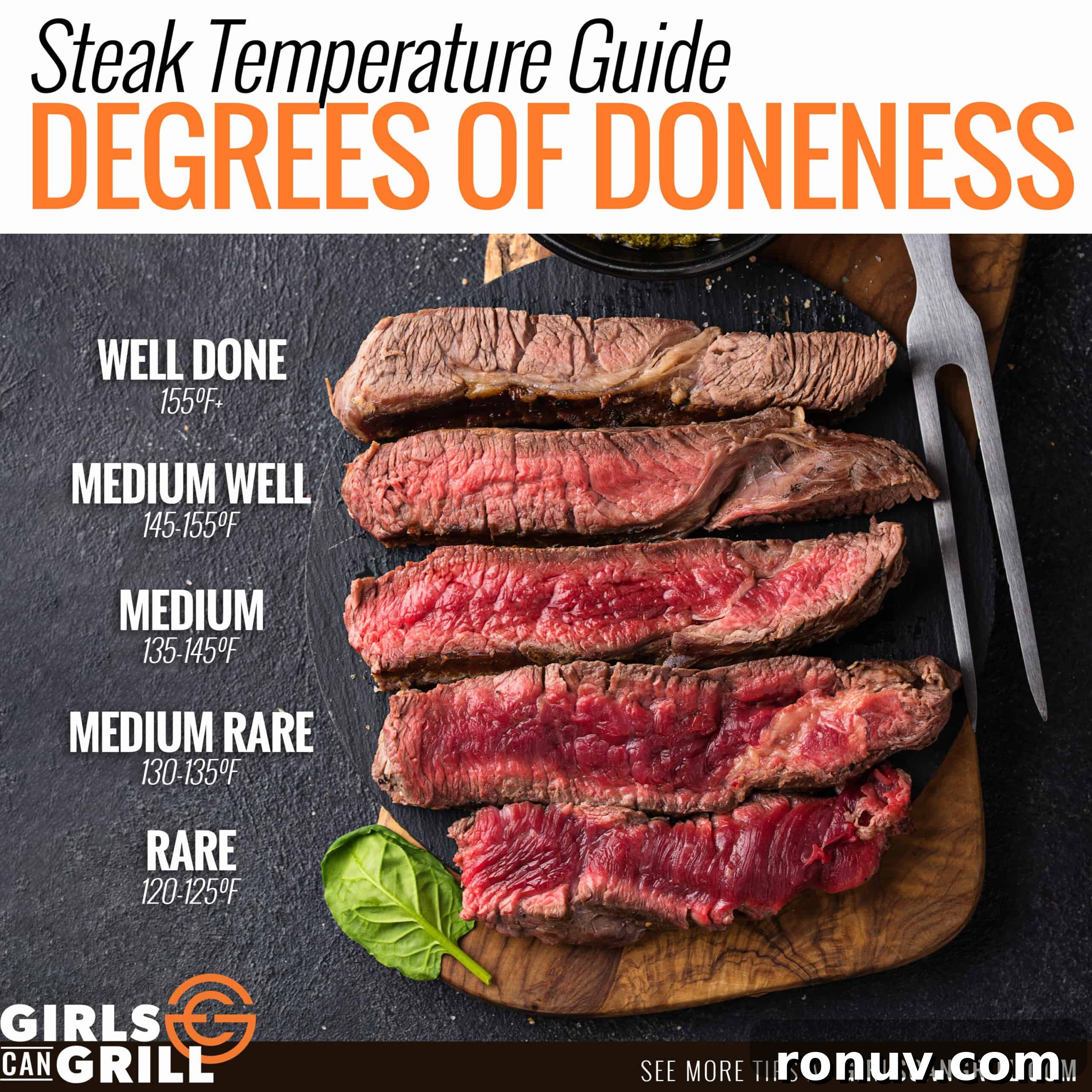
After cooking, let the steak rest for about 10 minutes under loose foil. Resting allows juices to redistribute, preserving moisture and maximizing flavor. A well-rested steak is noticeably juicier and more satisfying.
WHAT ABOUT THOSE DIAMONDS
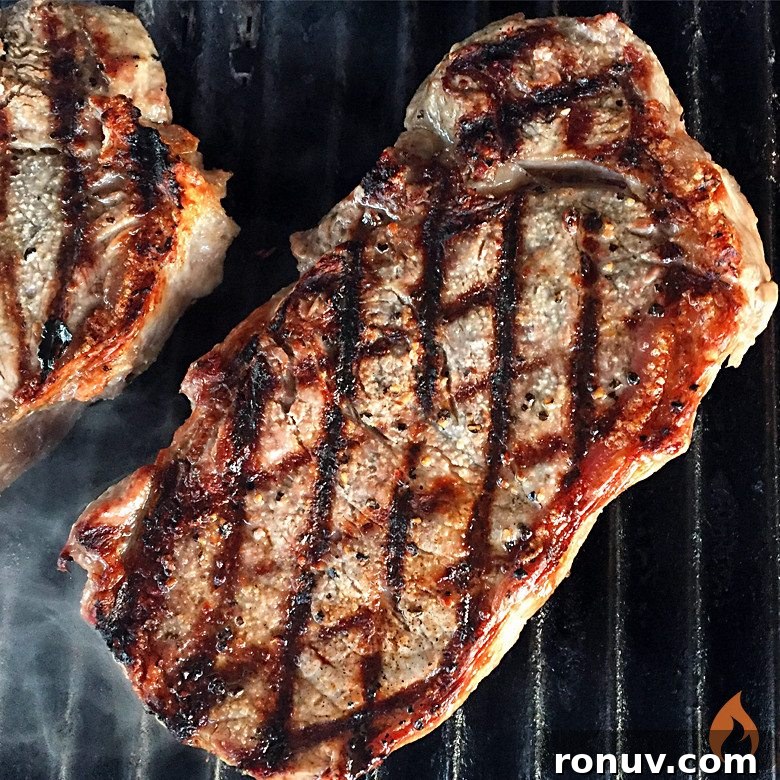
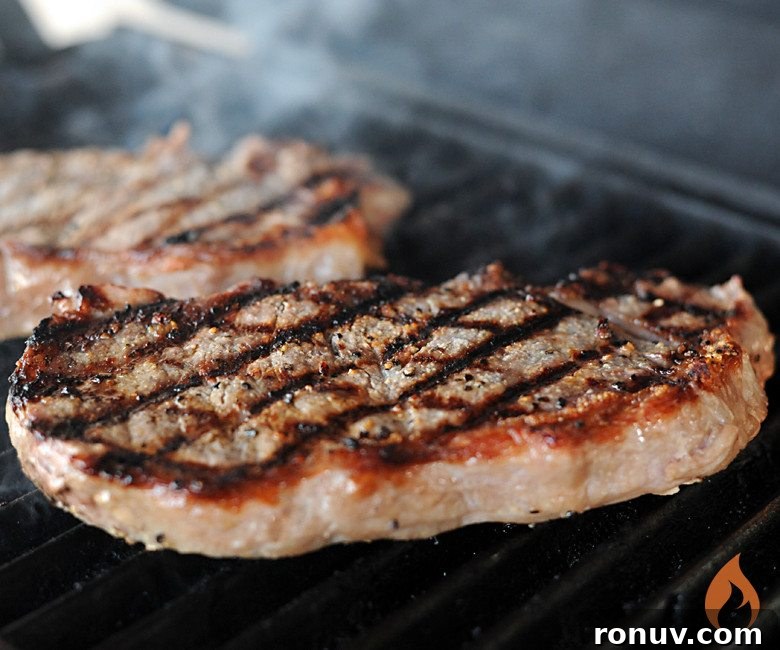
If you love the signature crosshatch sear marks—those “beef diamonds”—start by grilling over direct heat for 3–5 minutes to form char lines. Then rotate the steak 90 degrees and grill another 2–4 minutes before flipping. Repeat on the other side if needed to achieve an attractive pattern while building a deep, savory crust.
Most Popular Steak Recipes
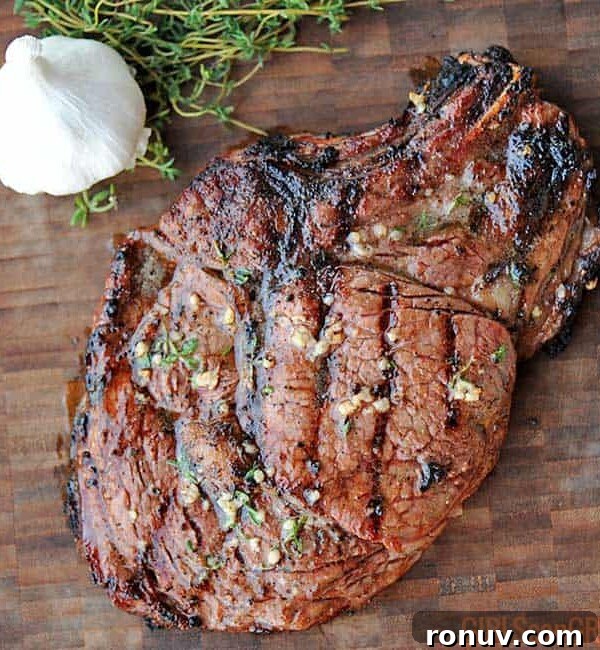
How to Grill Ribeye Steaks on a Big Green Egg
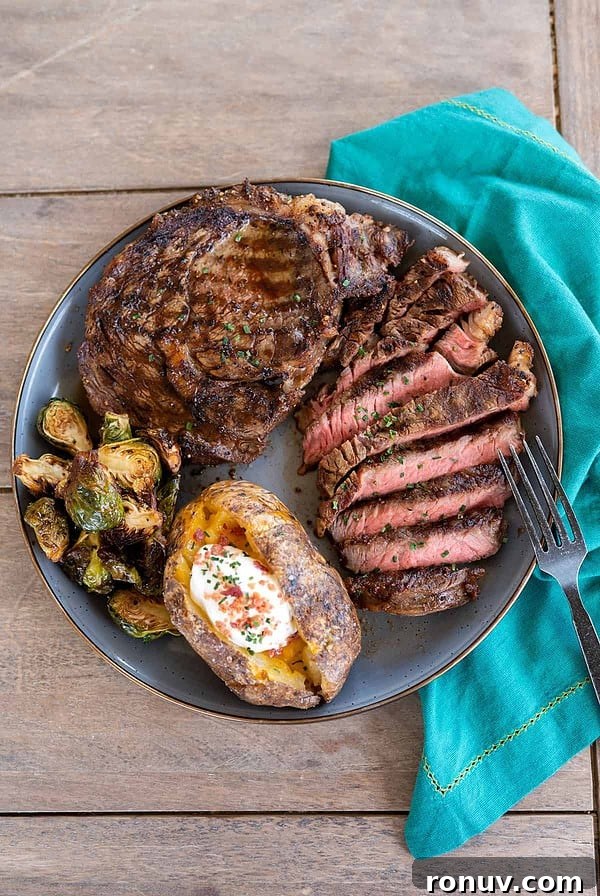
Ninja Grilled Ribeye Steak
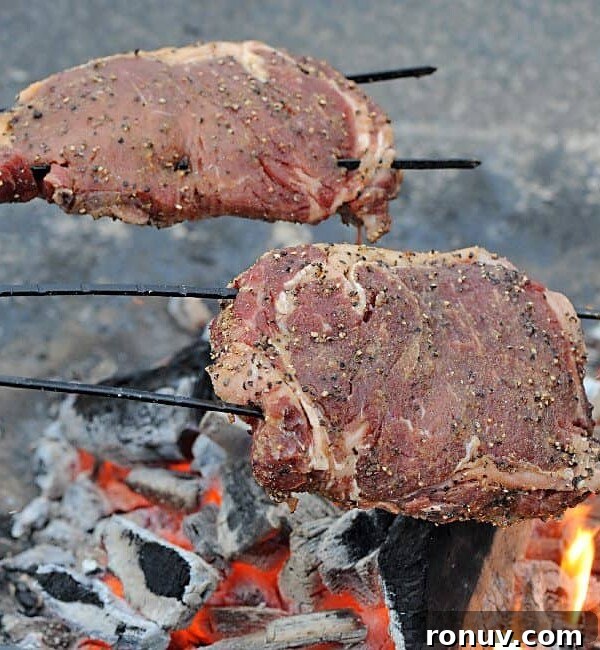
Campfire Steak on a Stick