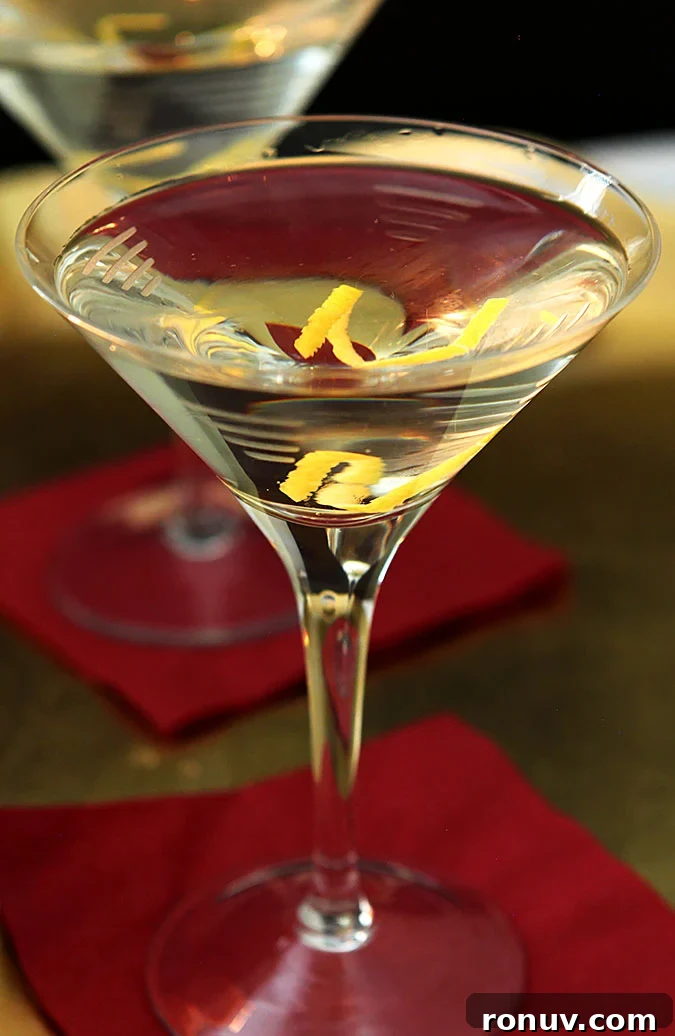
The Perfect Martini is simply one that is perfect for you; starting with good gin and vermouth can make all the difference!
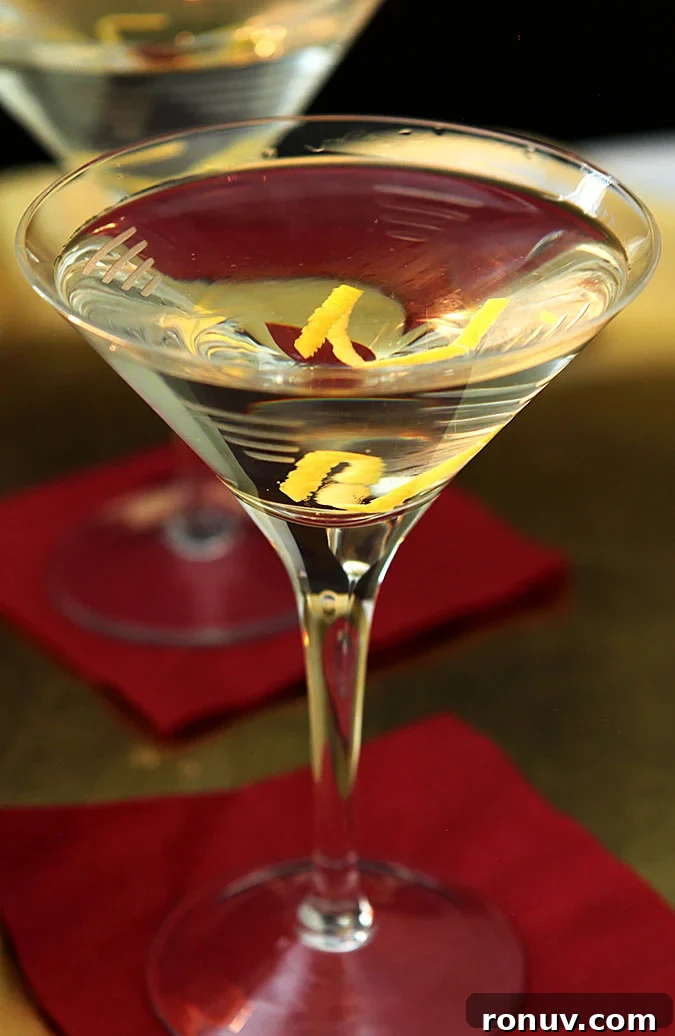
I originally published this to mark the one-year anniversary of Friday Cocktails, which was several years ago. Things change over time, but my approach to making a great martini hasn’t. This is my updated take on what makes a martini stand out: quality gin, the right amount of vermouth, and a garnish that suits your taste.
With the seasons shifting, I wanted a drink that works year-round. The martini is remarkably adaptable—refreshing on a warm evening, yet crisp and comforting when the air turns cool. It’s a transitional cocktail you can enjoy any time.
A dry martini often draws comparisons to a short story by Hemingway: simple on the surface—just three ingredients—but requiring a confident hand to get right. Despite its apparent simplicity, many bartenders consider the martini one of the most demanding cocktails because small adjustments change it dramatically.
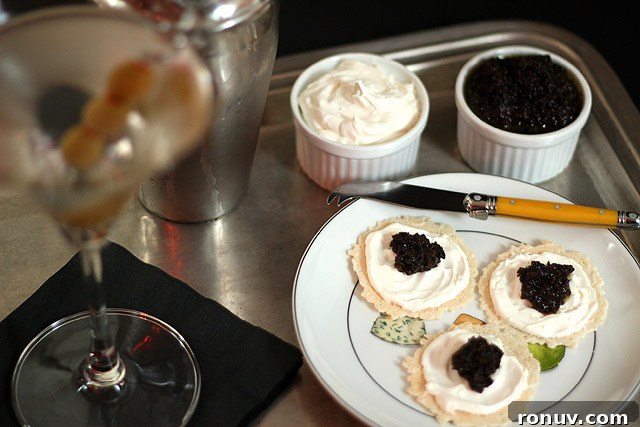
At home I like to serve martinis with a small bite—cracker rounds topped with cream cheese and black olive tapenade make a simple, satisfying accompaniment that complements the drink without competing with it.
At its purest, a martini combines gin and dry vermouth. Purists may insist on a lemon twist as the only acceptable garnish, but olives are equally traditional and delicious. Try both and decide which suits you: a bright citrus oil or a briny olive can alter the whole character of the drink.
I also love olives that have been soaked in gin. Long before I became obsessed with martinis themselves, I’d meet a friend who ordered martinis and always left me the gin-soaked olives—those bites alone made me a fan.
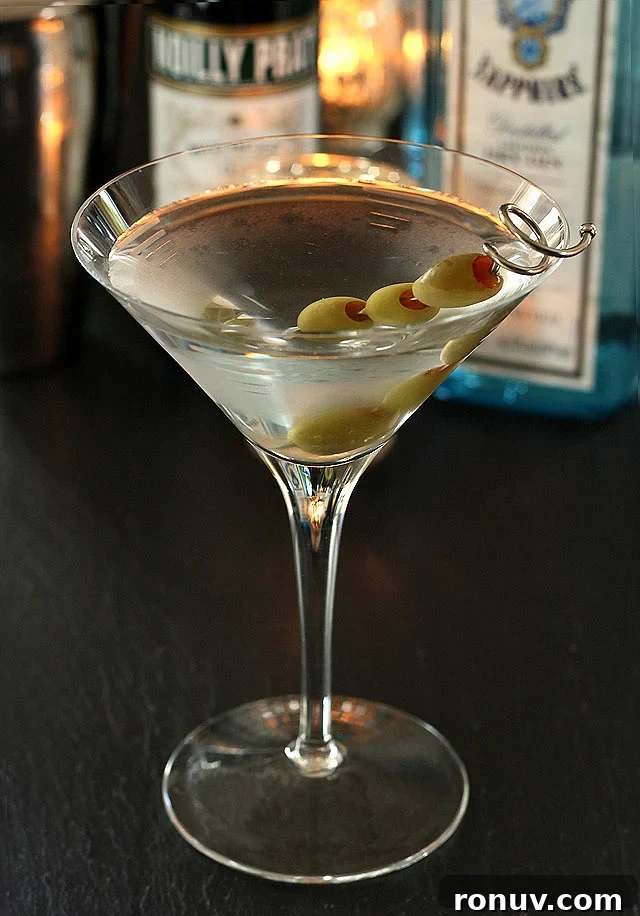
Balance is the key. Too much gin and the drink tastes like neat spirit; too much vermouth and it loses its gin-led profile. The right ratio depends on your palate—what matters most is what you enjoy.
Below I cover a brief history, some common debates about technique and ingredients, and then my personal recipe that you can tweak until it’s yours.
The history of the Martini
The martini’s origins are a bit murky, with several competing stories. One version traces a related drink to Martinez, California, during the Gold Rush, where a bartender reportedly mixed a concoction called the “Martinez.” Other accounts point to a bartender in New York who combined London Dry gin with dry vermouth and bitters, while yet another explanation connects the name to a 19th-century rifle called the Martini-Henry. Each tale highlights how the martini evolved over time from regional variations into the iconic cocktail we know today.
The Best Martini?
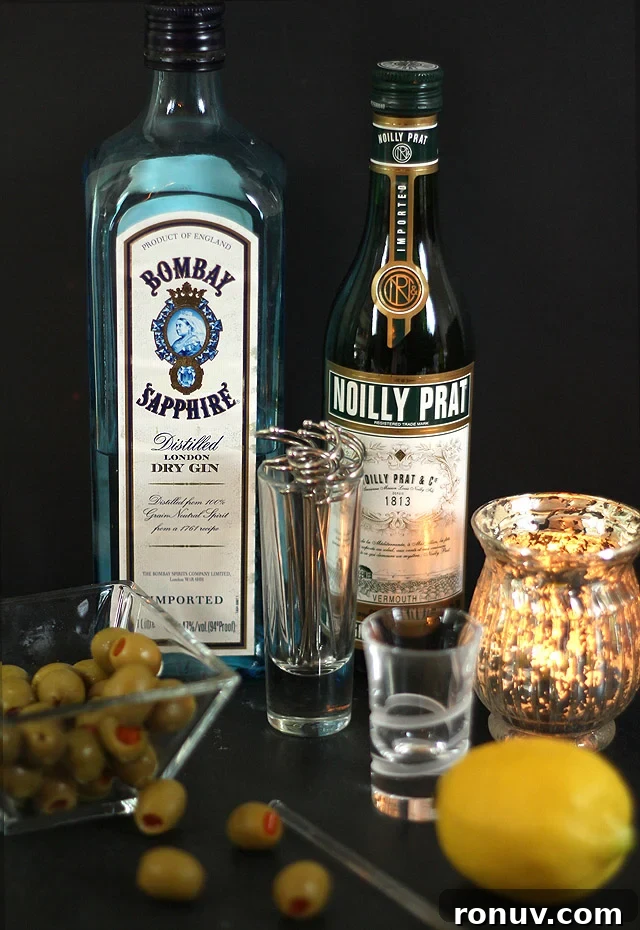
There’s no single “best” martini—only the best martini for you. Choices that influence the final drink include the brand and style of gin (classic London dry gins like Beefeater or Bombay Sapphire are common favorites), how cold everything is, the proportion of vermouth, and whether you shake or stir.
Some drinkers prefer only the faintest trace of vermouth—a whisper achieved by coating the glass with vermouth and discarding the excess—while others like a more generous measure that softens the gin’s edge. Stirring is traditional and keeps the drink crystal clear; shaking chills quickly and adds a bit of dilution and texture. Purists argue shaking “bruises” the gin, but many enjoy the colder, slightly aerated version.
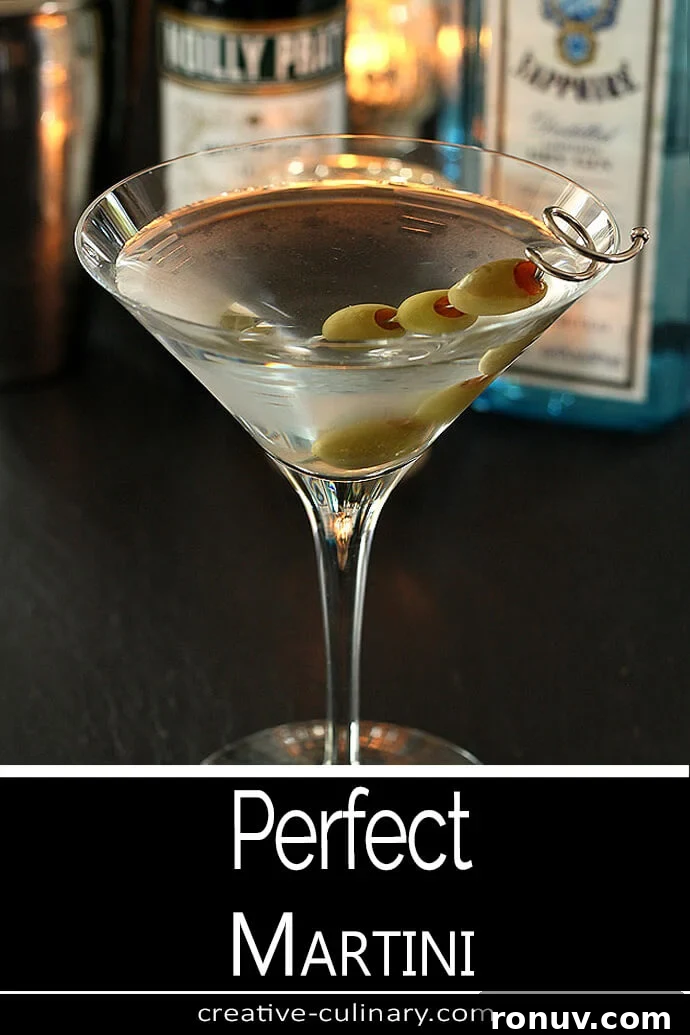
Garnish choices are equally personal: a twisted lemon peel adds bright citrus oils; olives contribute salt and savoriness. My preference is for a very cold, slightly diluted martini—shaken and served icy—yet I encourage you to experiment to find your version of perfect.

Because a martini has so few components, small changes matter. That’s why many people find the ideal martini in their own kitchen: you control the gin, the vermouth, the chill, and the garnish. Below is the recipe I use as a starting point—adjust the vermouth and garnish until the drink feels right for you.
PIN IT! ‘The Perfect Martini Cocktail’
The Perfect Martini
Author: Barb
Prep Time: 5 mins | Total Time: 5 mins
Course: Cocktails, Gin | Cuisine: American
Servings: 1 Cocktail | Calories: 237 kcal
Ingredients
- 4 ounces gin
- 1 ounce dry vermouth
- 1-inch strip of peel from an unwaxed lemon or skewered olives
Instructions
- Pre-chill your shaker or mixing glass, the bottle of gin, the vermouth, and the serving glass.
- Add ice to the shaker or mixing glass, pour in the gin and vermouth, and either stir gently for clarity or shake vigorously for an extra-cold, slightly aerated drink.
- Strain into the chilled martini glass. Express a lemon peel over the surface to release its oils, or garnish with one or more olives on a skewer.
- Serve and enjoy, holding the glass by its stem to keep the drink cold.
Notes
Chilling all components is important. Keeping the gin, vermouth, glass, and shaker cold prevents unnecessary warming and ensures a brisk, icy martini. Start with the proportions above and reduce or increase the vermouth to suit your preference.
Nutrition
Serving Size: 1 Cocktail
Calories: 237
Fat: 1 g | Sodium: 33 mg | Carbohydrates: 11 g | Protein: 1 g
*Percent daily values are based on a 2,000 calorie diet.
Keywords: cocktail, gin, martini, vermouth
Tried this version? Experiment with the vermouth ratio, try different gins, and decide whether you prefer shaking or stirring. The perfect martini is the one you like best—simple, elegant, and tailored to your taste.