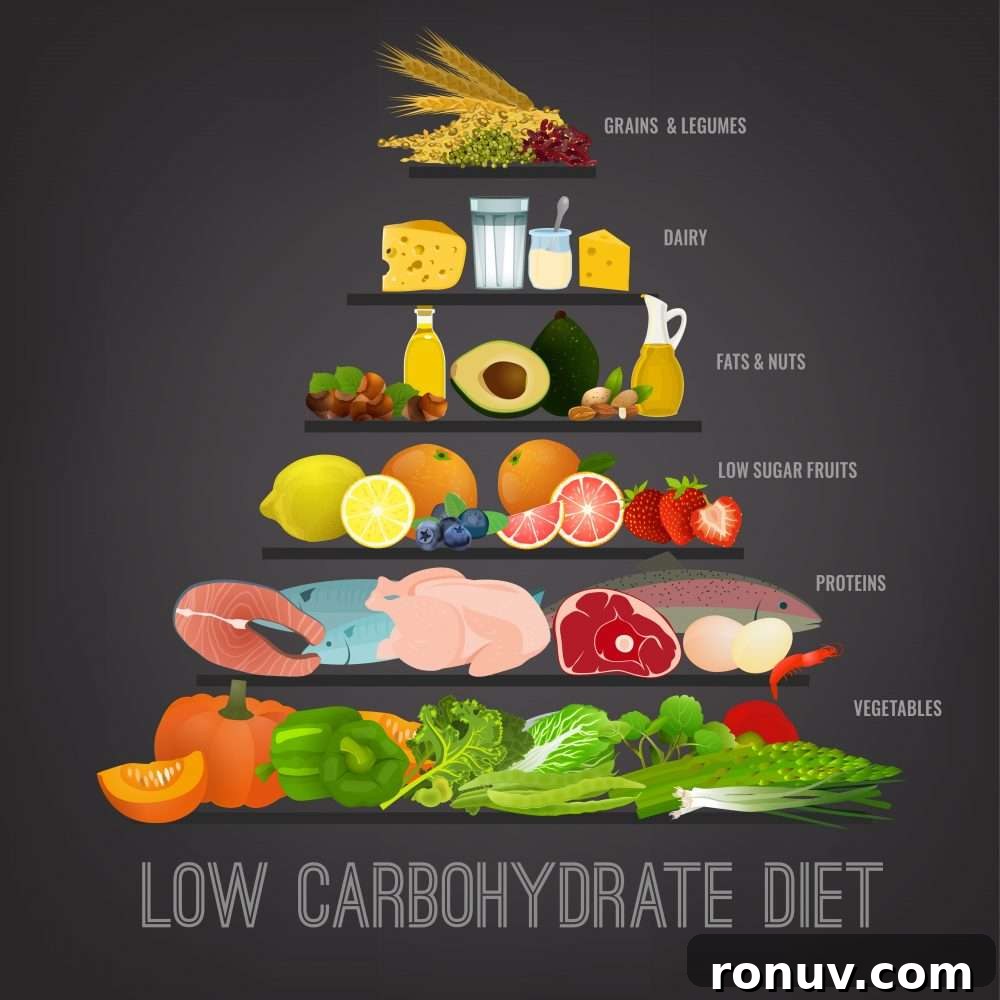
There is no such thing as “bad” fruit, but not every fruit fits a low-carb lifestyle. Fruit contains natural sugars that are healthy in moderation, yet they can pose a challenge when you are trying to reduce carbohydrates for weight loss or metabolic goals. Finding suitable low carb fruits and learning how to include them sensibly can help you enjoy variety and nutrients without undoing your diet progress.
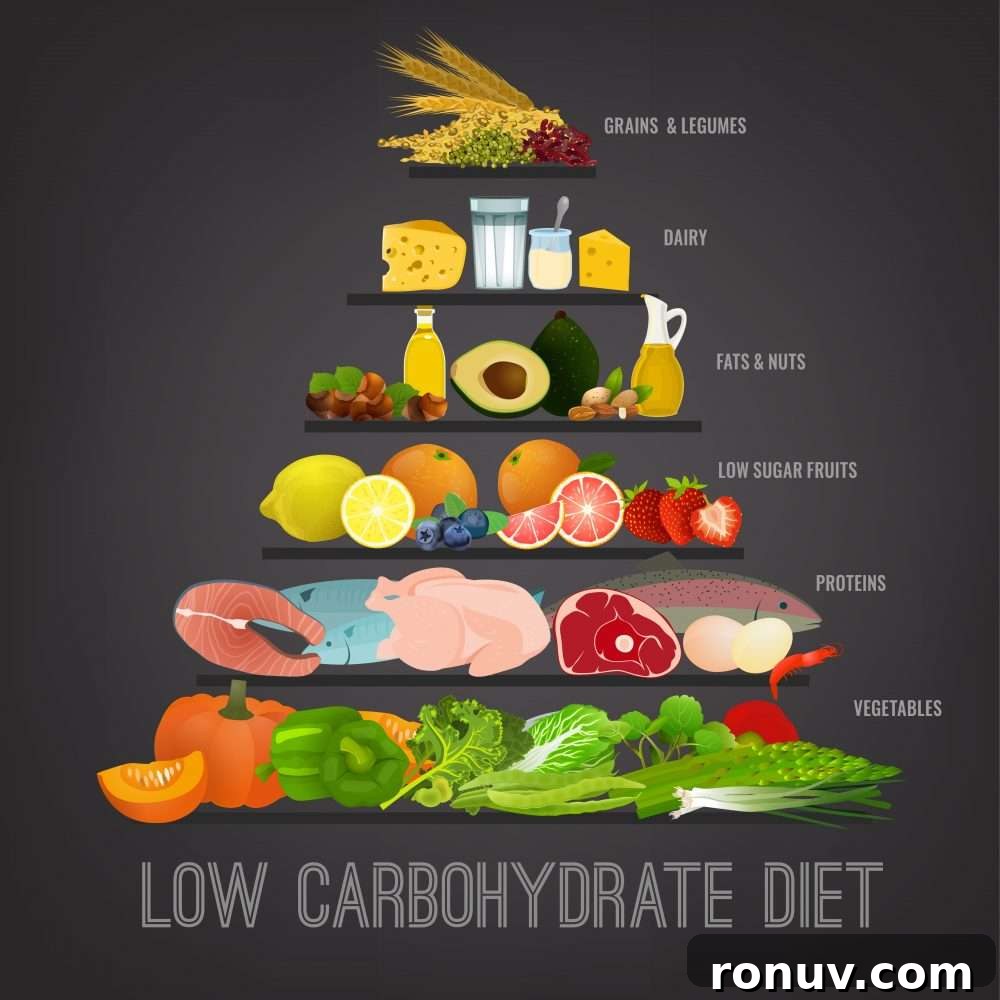
If you follow a low-carb eating plan, choosing the right fruits and portions makes a big difference. In this article we look at why fruit can be tricky on a low-carb diet, which fruits are better choices, and practical tips for enjoying fruit without derailing your progress. The goal is simple: prioritize fruits that give vitamins, fiber, and satisfaction while keeping total carbs in check.
The Problem With Fruit
Fruit sugars are natural, but they still affect blood glucose the same way other carbohydrates do. Fructose and other simple sugars in fruit can cause a rise in blood sugar, which may be followed by a drop that leads to cravings and overeating. Those swings can interfere with the steady energy and appetite control that many people seek on a low-carb plan.
It’s also important to remember that sugar counts as a carbohydrate. A piece of fruit may satisfy a craving briefly, but because most fruits are low in protein and fat, they rarely keep you full for long. For low-carb goals, this means fruit choices and portion sizes matter more than ever.
The Best Low Carb Fruits To Eat On Your Diet
When selecting fruits on a low-carb diet, focus on those with lower sugar and carbohydrate content per serving. Some commonly enjoyed fruits such as bananas, apples, peaches, and mangoes tend to be higher in sugar and are best limited or avoided if you are strictly controlling carbs. Fruit juices and dried fruit are especially concentrated forms of sugar and are typically not compatible with low-carb eating.
That said, several fruits offer good nutrient value while contributing fewer carbs per serving. These fruits tend to be richer in fiber, water, or natural fats, which help blunt blood sugar responses and increase satiety.
So Which Low Carb Fruits Are Safe?
Many low-carb approaches recommend keeping total carbohydrate intake low—often aiming for carbs to make up a small percentage of daily calories, such as under about 10% or roughly 50 grams of carbs per day. If that’s your target, you can still enjoy fruit by prioritizing low-carb options and watching portions. Some of the best choices include:
- Avocado (yes, it’s a fruit and is very low in carbs while high in healthy fats)
- Berries (strawberries, raspberries, blackberries are lower in carbs and high in fiber)
- Rhubarb
- Grapefruit (in moderation)
- Honeydew (small portions)
- Apricot (fresh and limited)
- Starfruit (carambola)
- Lemon and lime (great for flavoring without adding many carbs)
These choices provide vitamins, fiber, and antioxidants with a smaller impact on total carbohydrate intake. Berries, in particular, are a favorite for low-carb eating because they can be used in modest amounts in yogurt, salads, or as a topping without contributing a large carbohydrate load.
You Can Enjoy Low Carb Fruits Without Derailing Your Diet
Moderation and pairing are the keys to including fruit in a low-carb plan. A small portion of fruit, eaten with a source of protein or healthy fat, will slow digestion and reduce the blood sugar spike. For example, pair a few berries with full-fat Greek yogurt, add avocado to a salad or omelet, or use lemon juice and zest to brighten dishes without extra carbs.
Avoid fruit juices and dried fruits, which concentrate sugars and make tracking carbs harder. Opt for whole fruits, measure or eyeball portions, and plan fruit as a complement to meals rather than a standalone snack if you’re aiming to stay within a strict carbohydrate limit.
Other practical tips: use fruit to satisfy sweet cravings occasionally, choose lower-carb varieties when available, and keep a food log or use a nutrition tracker if you need precise carb counts. Remember that fiber content and serving size change how a fruit affects your blood sugar and hunger.
With thoughtful selection and sensible portions, fruit can be a nourishing part of a low-carb diet—adding vitamins, fiber, and variety—without undermining your goals.

Pin This to Your Low Carb Boards and Remember to FOLLOW ME ON PINTEREST