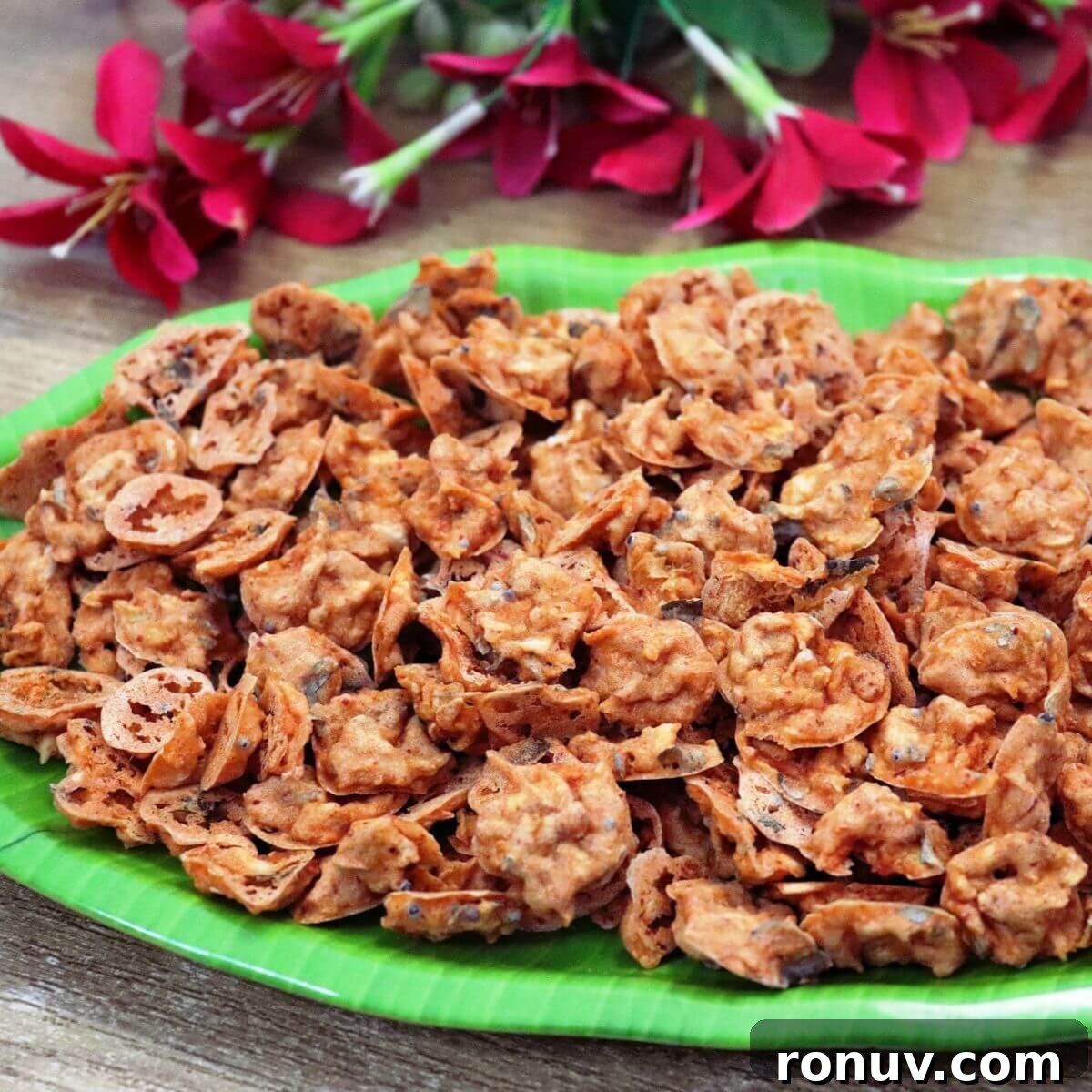
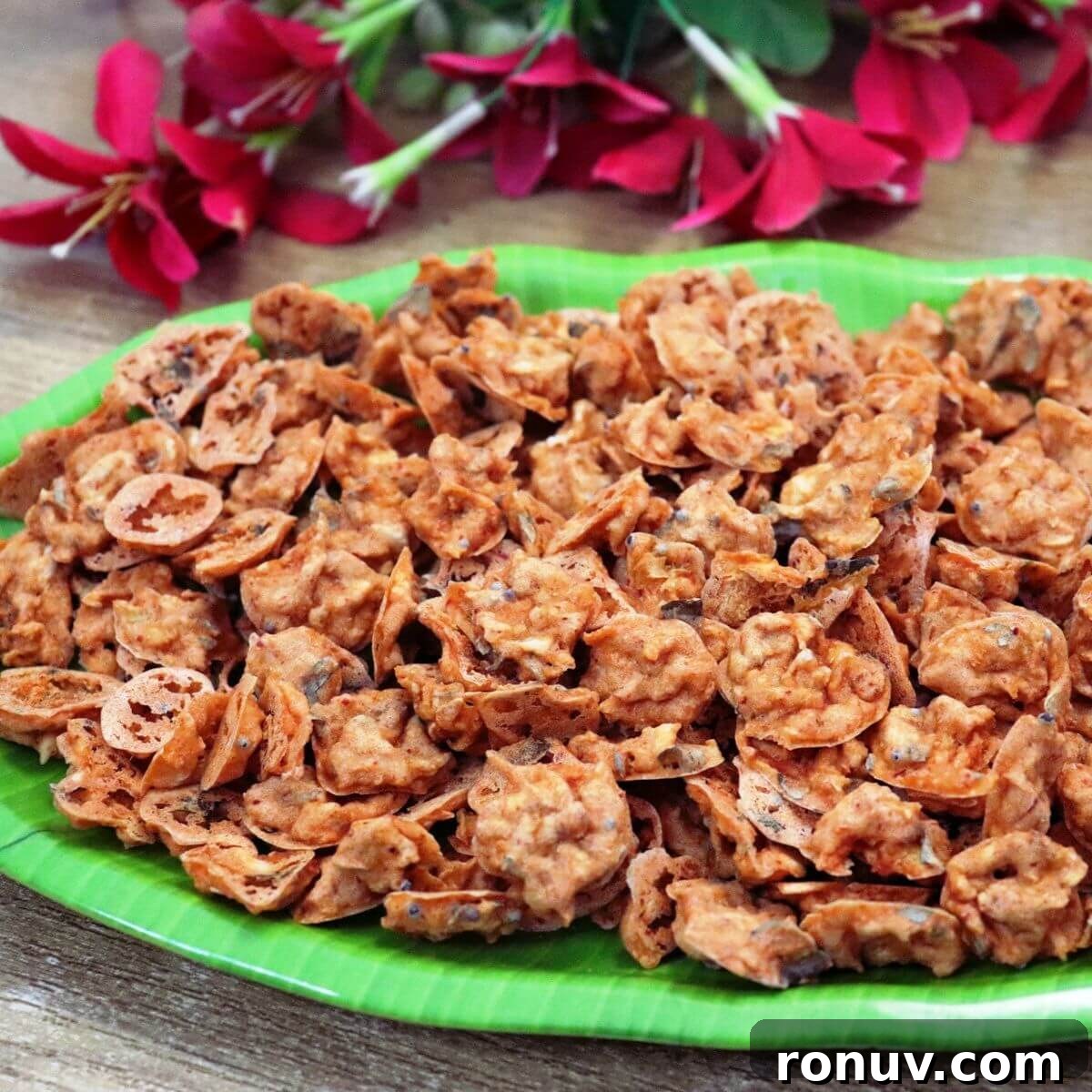
Kuvalyacho Vadyo is a traditional Goan sun-dried dumpling made from ash gourd (kuvalo) and urad dal. A beloved staple in Konkani and Goan kitchens, these vadiyo keep well and pack a deep, savory flavor. They can be fried until crisp, used in curries, or enjoyed as a crunchy side with rice and dal. Below is a clear, step-by-step guide to preparing this classic, with photos illustrating the main stages.
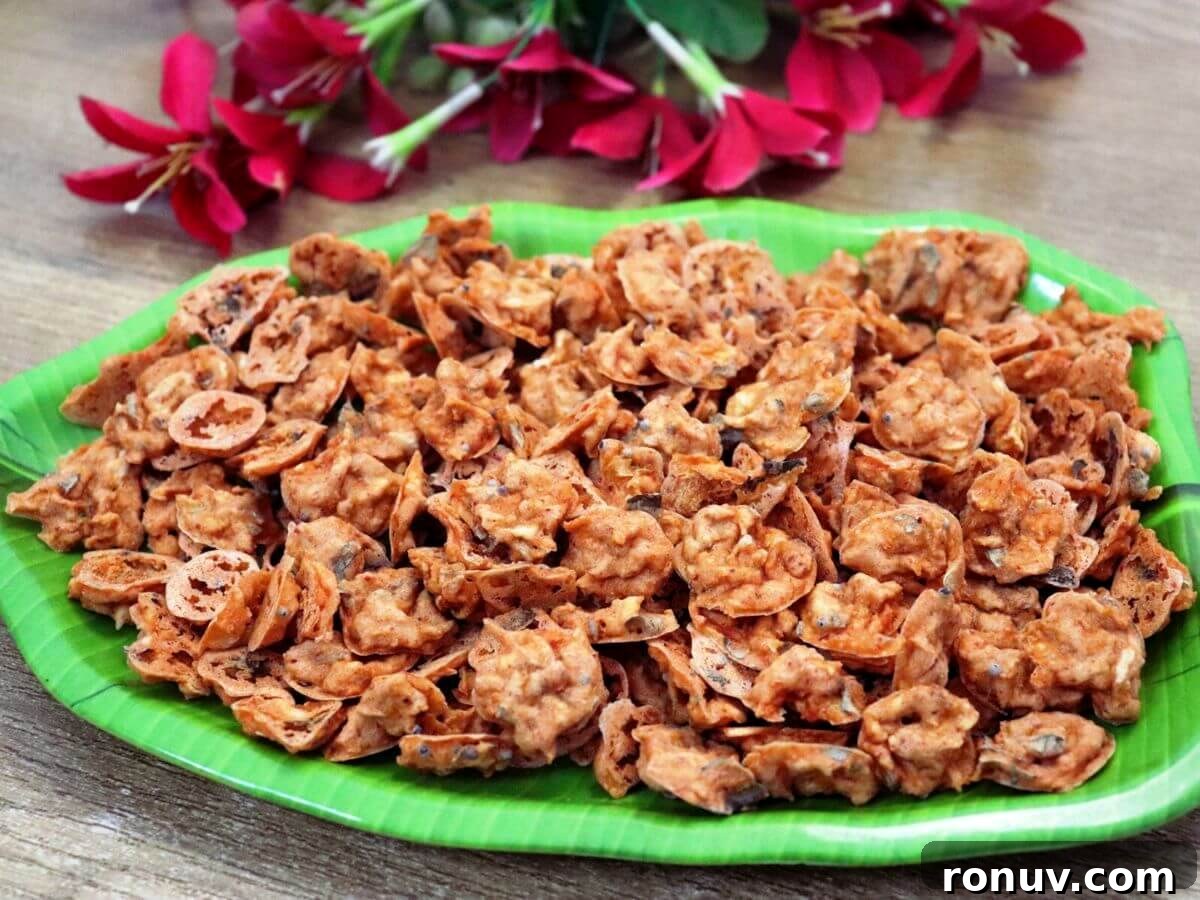
Kuvalyacho Vadyo is deeply rooted in coastal Konkani tradition. Families make these vadiyo during the summer when ash gourd is abundant and sun-drying is practical. They are often prepared in batches, sun-dried for several days, and stored for later use. Fried until golden, they become a crunchy accompaniment that complements simple meals like rice and dal, varan, or vegetable stews.
I grew up watching my mother make kuvalyache vadiyo, and later learned her variations from my mother-in-law after marriage. Though every household adds small personal touches, the basic process remains the same: prepare the ash gourd, grind urad dal and chilies, mix with spices and curry leaves, shape into rounds, and sun-dry. The recipe below is the version I follow at home in Goa, adapted for clarity and ease.
About This Kuvalyacho Vadyo Recipe
This recipe preserves the traditional Konkani method for making Kuvalyacho Vadyo. Preparation begins the evening before actual shaping and drying: the ash gourd is cleaned, cut, and drained overnight, while urad dal and dried red chilies soak. The next day you combine the ground ingredients with spices and curry leaves, shape small rounds, and sun-dry them for several days. The final product stores well when kept dry and handled with clean hands.
Cutting and preparing ash gourd can be awkward because of its size and firm skin. Many cooks peel and chop it into small pieces using a chopper for speed; others prefer grating. Either approach works—chopping gives a chunkier texture, while grating yields a finer batter. I prefer small chopped pieces in my vadiyo because they hold up well during drying and frying.
Commonly enjoyed fried until crisp, Kuvalyacho Vadyo are also excellent in a simple curry called Vadiyo Sasam (vadiyacho ros). Fried vadiyo stay crisp for a few days when refrigerated and stored in an airtight container; if properly dried and stored, they can keep for much longer at room temperature in a dry place.
Ingredients Notes
This recipe uses a short list of ingredients: ash gourd (kuvalo), urad dal, dried red chilies, mustard seeds, cumin seeds, curry leaves, and salt. A pinch of asafoetida (hing) is optional, depending on family preference.
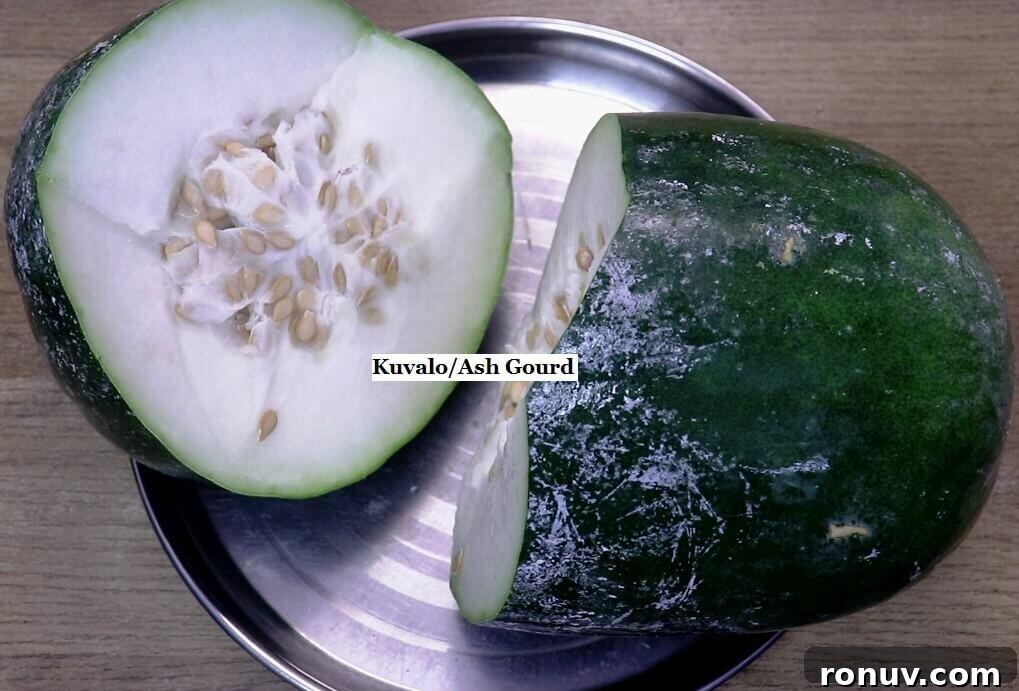
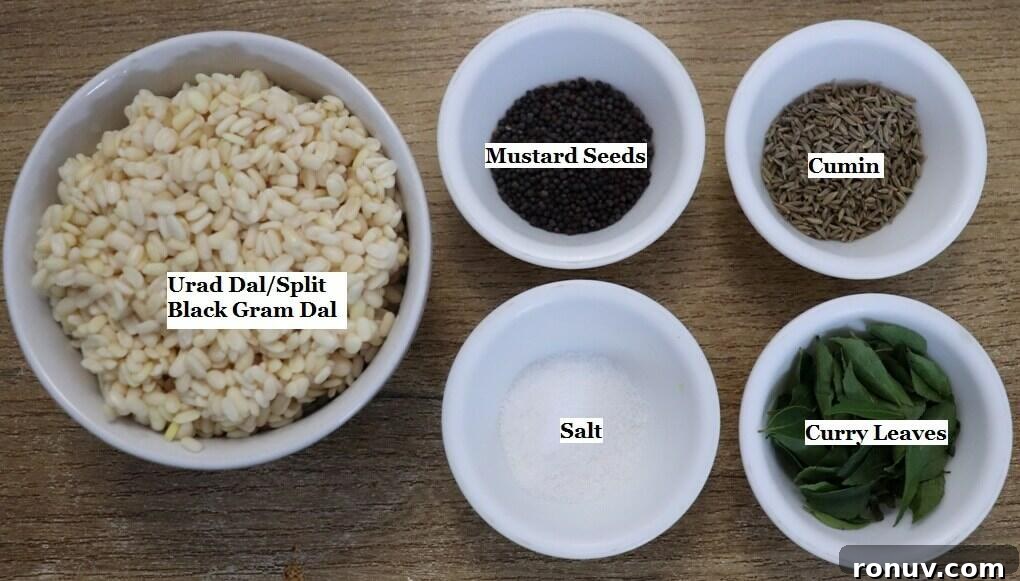
- Kuvalo / Ash Gourd: A summer vegetable that is ideal for vadiyo. If ash gourd is unavailable, bottle gourd (lauki) is a suitable substitute.
- Urad dal: Split black gram provides natural binding and a smooth texture to the batter.
- Curry leaves: Essential for authentic flavor — don’t skip them.
- Other ingredients: Mustard seeds, cumin seeds, dried red chilies, and salt. Asafoetida may be added to taste.
How To Make Kuvalyacho Vadyo (With Step By Step Photos)
Preparations For Goan Ash Gourd Vadyo
1) Begin the night before: wash the ash gourd thoroughly to remove dust and the white powdery film sometimes present on the skin. Cut it in half, then into manageable sections. Peel the thick outer skin unless you prefer to retain it.
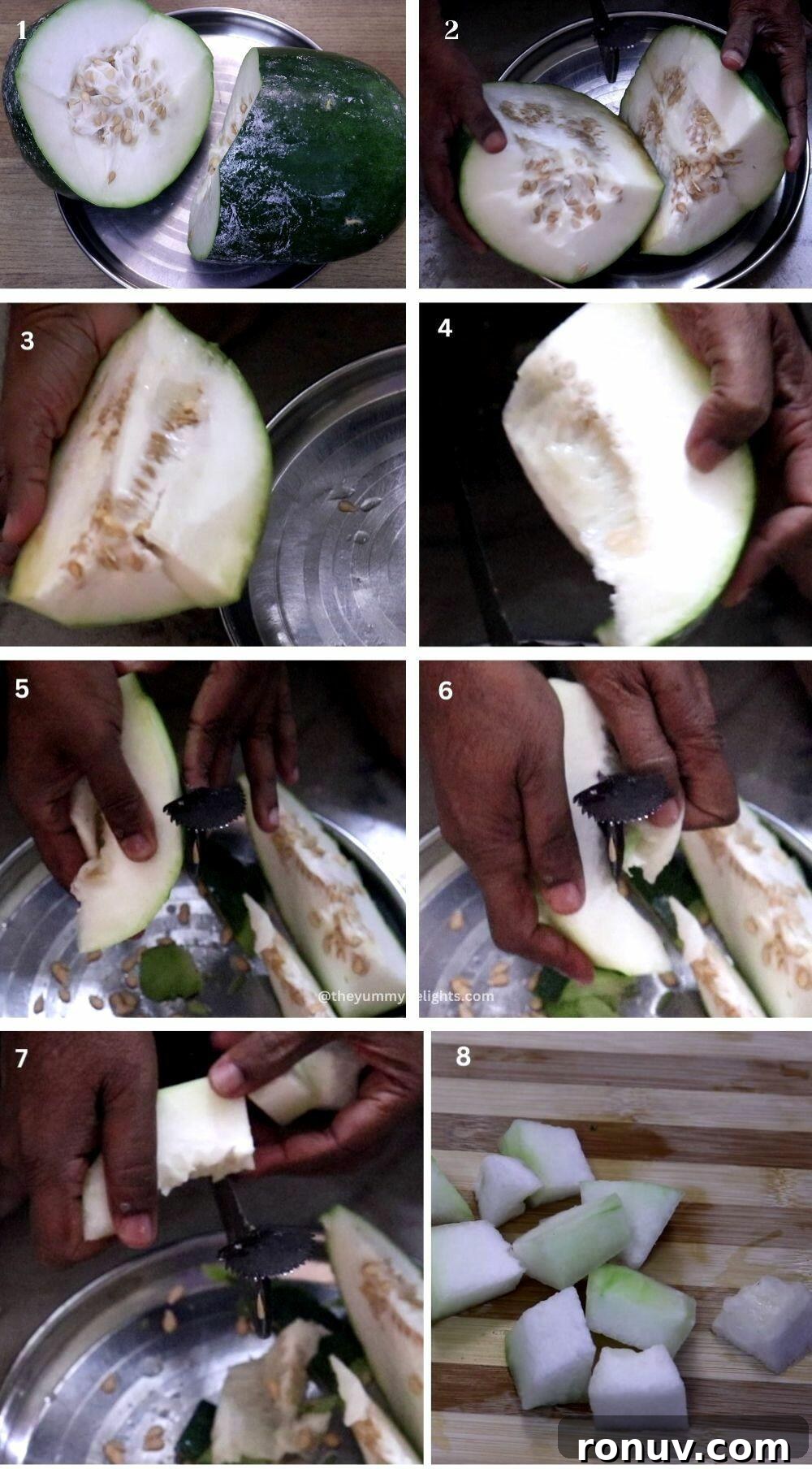
2) Scoop out seeds and the spongy inner pulp, then slice the remaining flesh into smaller pieces for easier processing.
3) Use a chopper or grater to break the pieces down. Chopping gives small, textured pieces; grating produces a finer mix. Both are acceptable—choose the method you prefer.
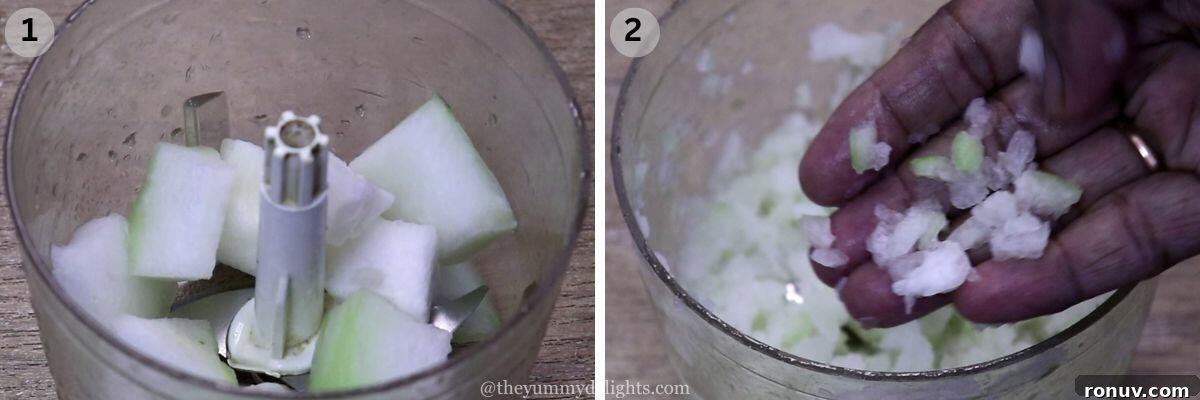
4) Place the chopped ash gourd in a strainer over a vessel and allow the liquid to drain. Squeeze out as much moisture as you can — this helps the vadiyo hold shape and dry properly.
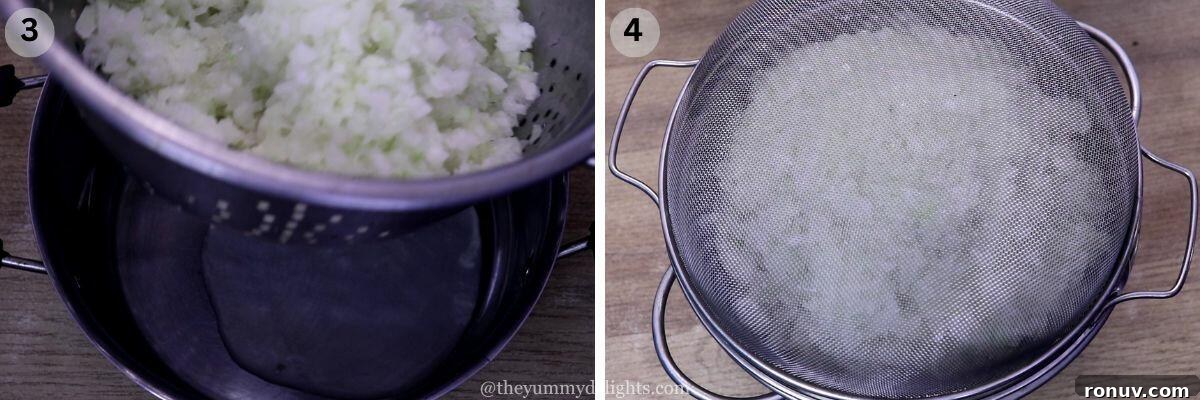
5) Cover the strainer and leave the ash gourd to drain at room temperature overnight.
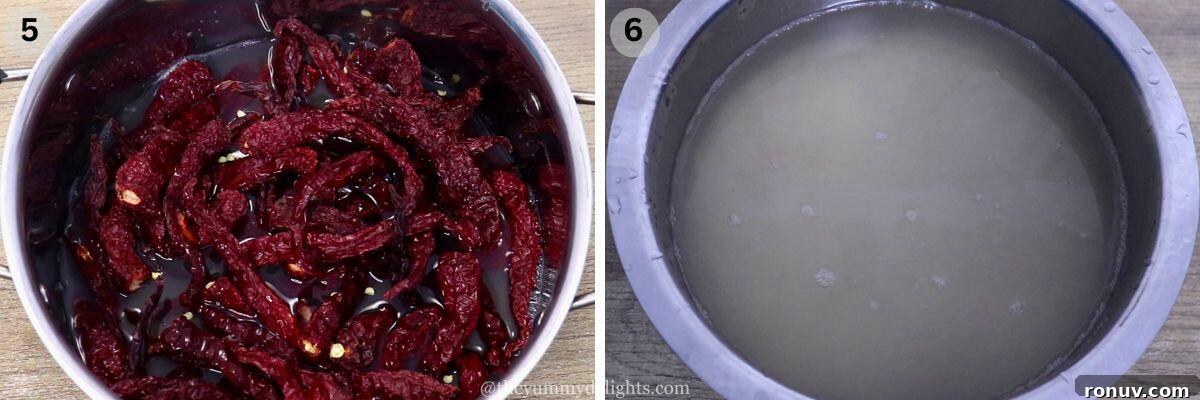
6) Reserve the drained liquid to soak the red chilies. Soak chilies in that liquid or plain water and refrigerate overnight if desired. Rinse and soak the urad dal in water at room temperature overnight as well.
Making the Vadyo Batter
7) In the morning, drain the soaked chilies and grind them to a smooth paste without adding water. Keep the chili paste thick and transfer it to a large bowl.
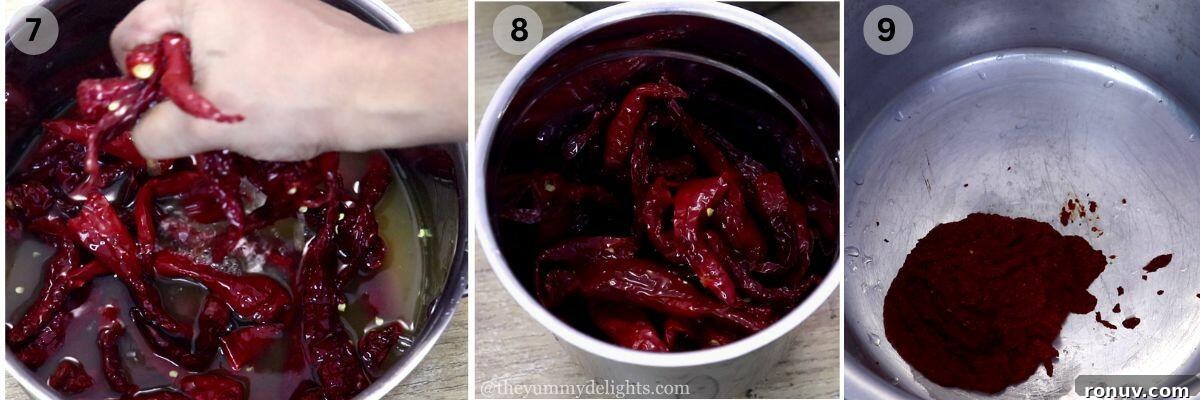
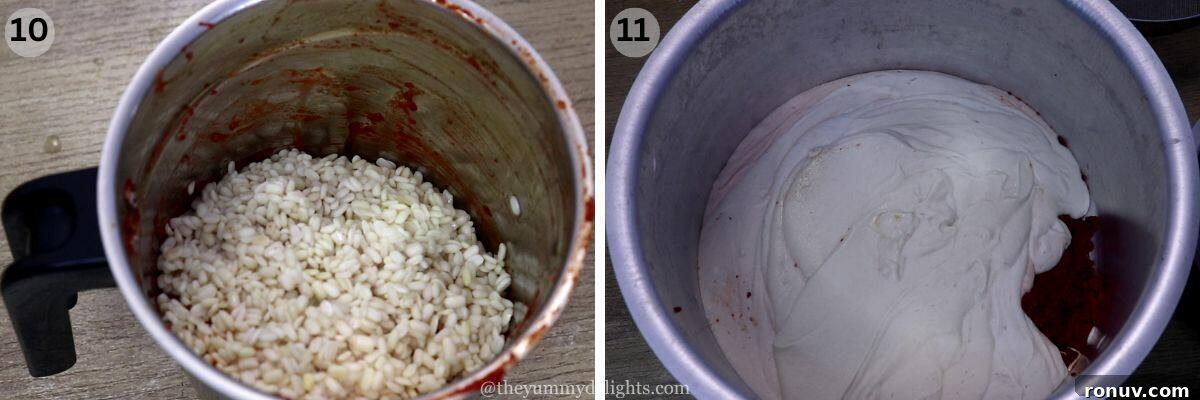
8) Grind the soaked urad dal into a thick paste using minimal water. Add this to the chili paste.
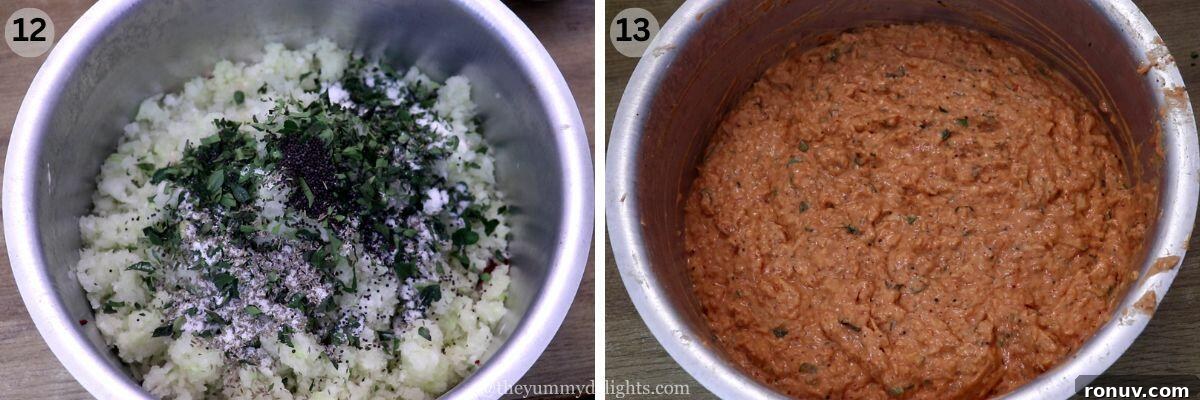
9) Add the chopped ash gourd, chopped curry leaves, mustard seeds, cumin seeds, and salt to the combined pastes. Mix thoroughly and taste, adjusting salt or chili as needed. If you enjoy hing, add a small pinch now.
Making The Konkani Kuvalyache Vadiyo
10) Cover a clean table with plastic or a baking sheet. Take small portions of the thick batter and drop them into round mounds on the surface. Family members often join in to shape these small rounds, which makes the process quick and social. Allow the vadiyo to sun-dry for several days; I prefer five days for a fully crisp result.
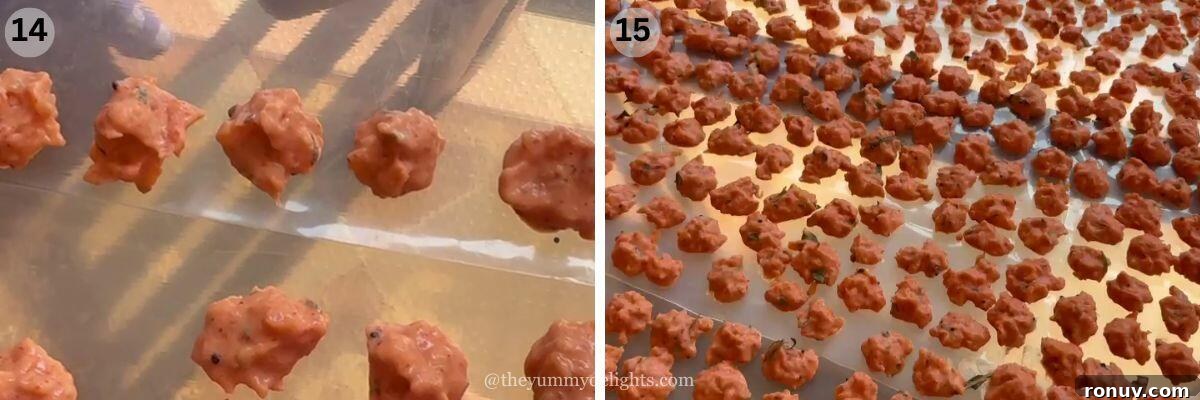
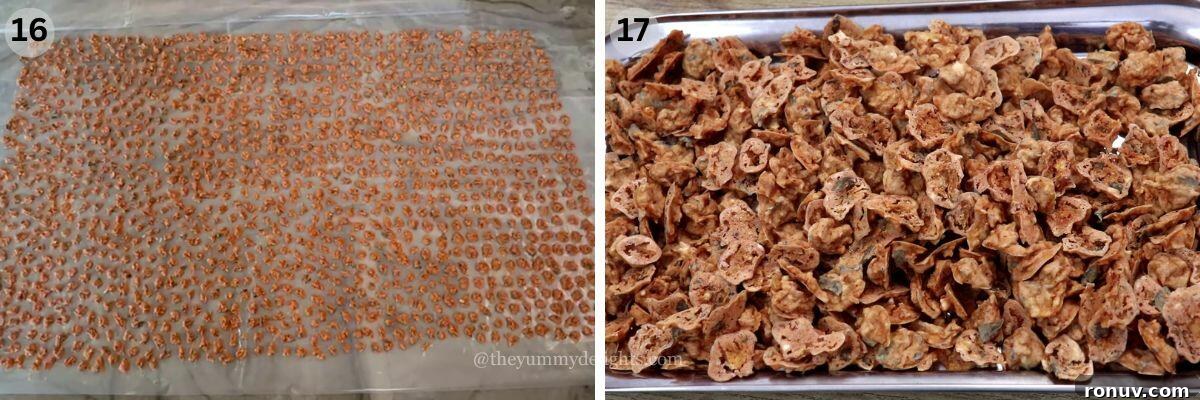
11) After the first day in the sun, bring the vadiyo indoors each evening and continue drying under a ceiling fan. Resume sunning the next morning. Once fully dried and crisp, store them in an airtight container in a dry place. When handled with dry hands they can remain good for many months; properly dried batches are often stored for up to a year.
How To Fry Kuvalyacho Vadyo?
Heat oil to medium, reduce the flame slightly, and gently lower the vadiyo into the oil. Cook on low to medium heat, stirring constantly — they brown and crisp quickly, often within a minute. Remove with a slotted spoon and drain on paper towels. Serve warm as a crunchy side with rice and dal or your favorite curry.
Tips to make the Best Kuvalyacho Vadyo
- Keep the batter thick so the vadiyo hold a neat round shape. A runny batter will spread and not dry evenly.
- Taste and adjust salt and chili levels before shaping the vadiyo.
- Sun drying is traditional: expect three to five days depending on sunlight. I prefer five days for fully crisp results; test by breaking one piece to check for dryness.
If you try this recipe, please leave a comment or rating below to share your experience.
Follow me on social media on platforms where I share updates and photos.
More Goan Recipes That You May Like
- Goan Fish Curry
- Chicken Vindaloo
- Recheado Fish Fry
- Kingfish Fry
- Prawn Ambotik
Recipe Card
Kuvalyacho Vadyo (Goan Ash Gourd Vadiyo Recipe)
Video
A short demonstration video is available showing the shaping and drying process.
Equipment
- 2 large vessels
- 1 strainer
- 1 chopper or grater
Ingredients
- 1 Kuvalo / ash gourd (large)
- 750 grams urad dal
- 15–20 byadagi or dried red chilies (adjust to taste)
- 1 tablespoon mustard seeds
- 2 teaspoons cumin seeds
- 1/4 cup chopped curry leaves (adjust to taste)
- Salt to taste
Instructions
Preparations
- Wash and cut the ash gourd into pieces, peel if desired, and remove seeds and spongy pulp.
- Chop or grate the flesh into small pieces, then place in a strainer and drain overnight. Reserve the drained liquid to soak chilies.
- Soak red chilies in the reserved liquid or water, and soak urad dal in water overnight.
Making the Batter
- Grind the soaked chilies into a thick paste without adding water. Transfer to a large bowl.
- Grind the soaked urad dal into a thick paste with minimal water and add to the chili paste.
- Add the chopped ash gourd, curry leaves, mustard seeds, cumin seeds, and salt. Mix and taste, adjusting seasoning as needed. Add a pinch of asafoetida if desired.
Shaping and Drying
- Cover a clean surface with plastic. Drop small portions of the thick batter into round mounds on the plastic.
- Sun-dry the vadiyo for three to five days, bringing them indoors at night and continuing under a fan if needed. Once fully dry and crisp, store in an airtight container in a dry place.
Notes
- Ensure the batter is thick for neat shaping.
- Adjust salt and chili to taste before drying.
- Drying time depends on sunlight; five days gives a reliably crisp result.
Nutrition
Nutrition figures are estimates and should be used as a guide.
Tried this recipe?
Mention the recipe source on your social accounts or tag the creator to share your version.