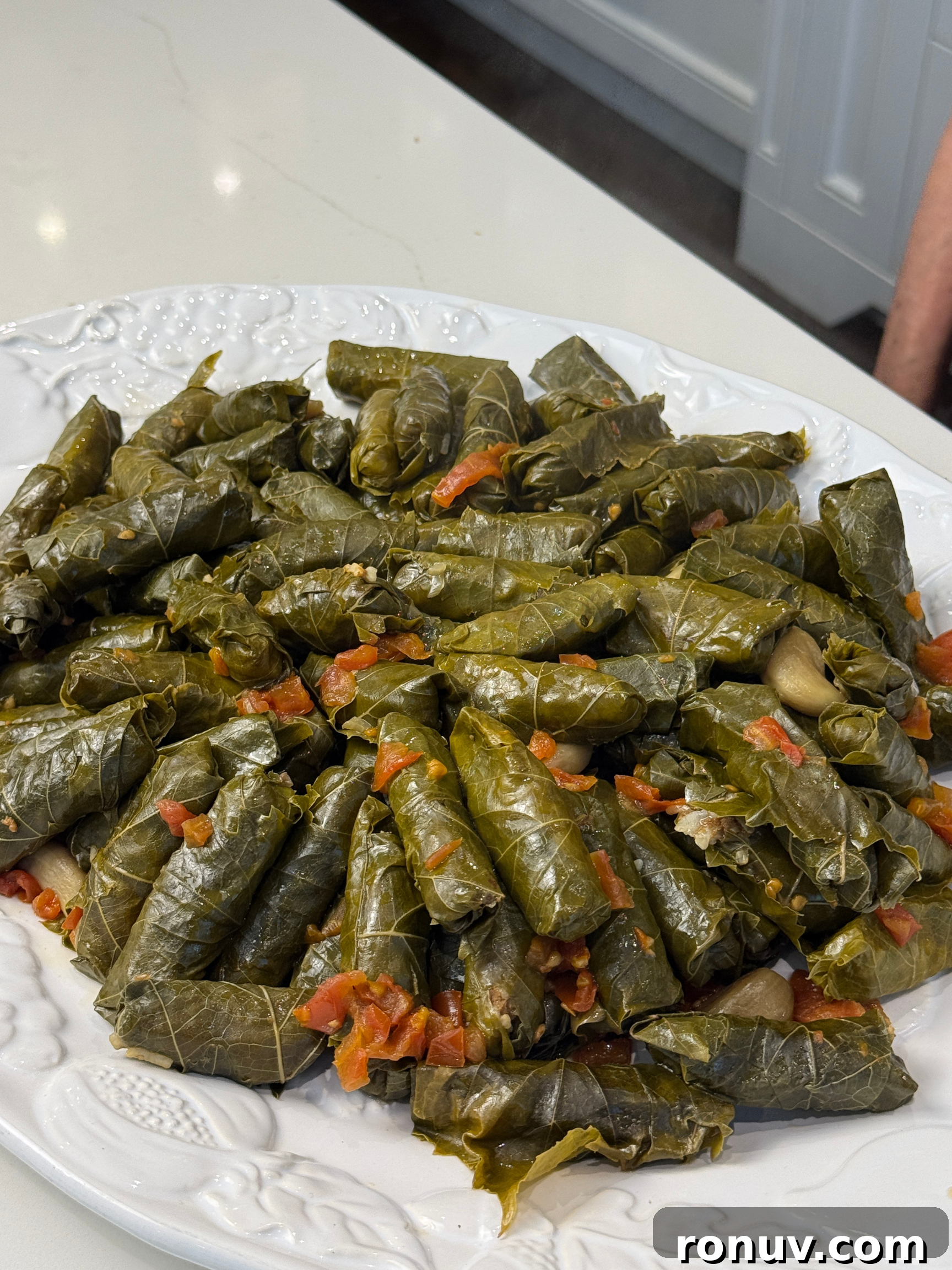
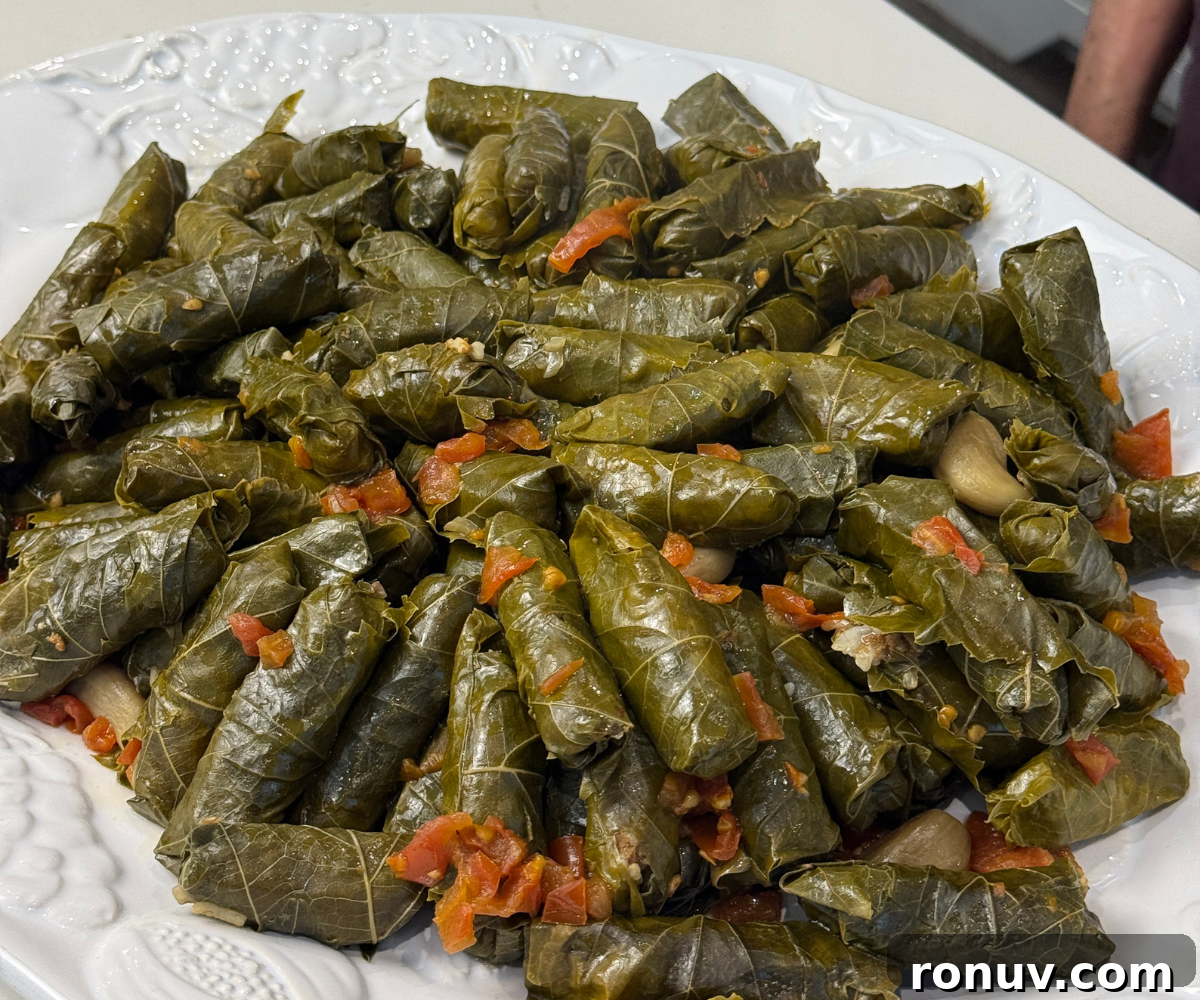
Warak enab — stuffed grape leaves — is a cherished dish across the Middle East, made by rolling tender grape leaves around a fragrant filling of rice, herbs and often seasoned ground meat. Simmered slowly until tender, the leaves soak up bright lemon acidity and aromatic spices, creating a balanced, comforting dish. Served warm as a main or cold as part of a mezze spread, warak enab is ideal for family gatherings, meal prep and sharing with friends. Below you’ll find a clear, user-friendly version of the recipe, plus tips for preparing, storing and serving.
What Is Warak Enab?
Warak enab (Arabic for “grape leaves”) refers to grape leaves filled with a savory mixture and cooked until tender. This dish appears in many regional variations across Egypt, Lebanon, Syria, Palestine, Turkey and Greece. Some versions are meat-free and served cold with olive oil and lemon, while others use ground beef or lamb combined with rice and spices and are served warm. The method of wrapping and slow simmering is consistent: the leaves protect the filling and develop a tender texture while absorbing the cooking liquid’s flavors.
The recipe below represents a familiar, popular style with rice and lean ground beef, seasoned with seven-spice blend, garlic and tomato paste, then simmered with onions, tomatoes and a lemony beef broth. It’s approachable to make at home and scales well for large gatherings.
Warak Enab
Ingredients
Filling
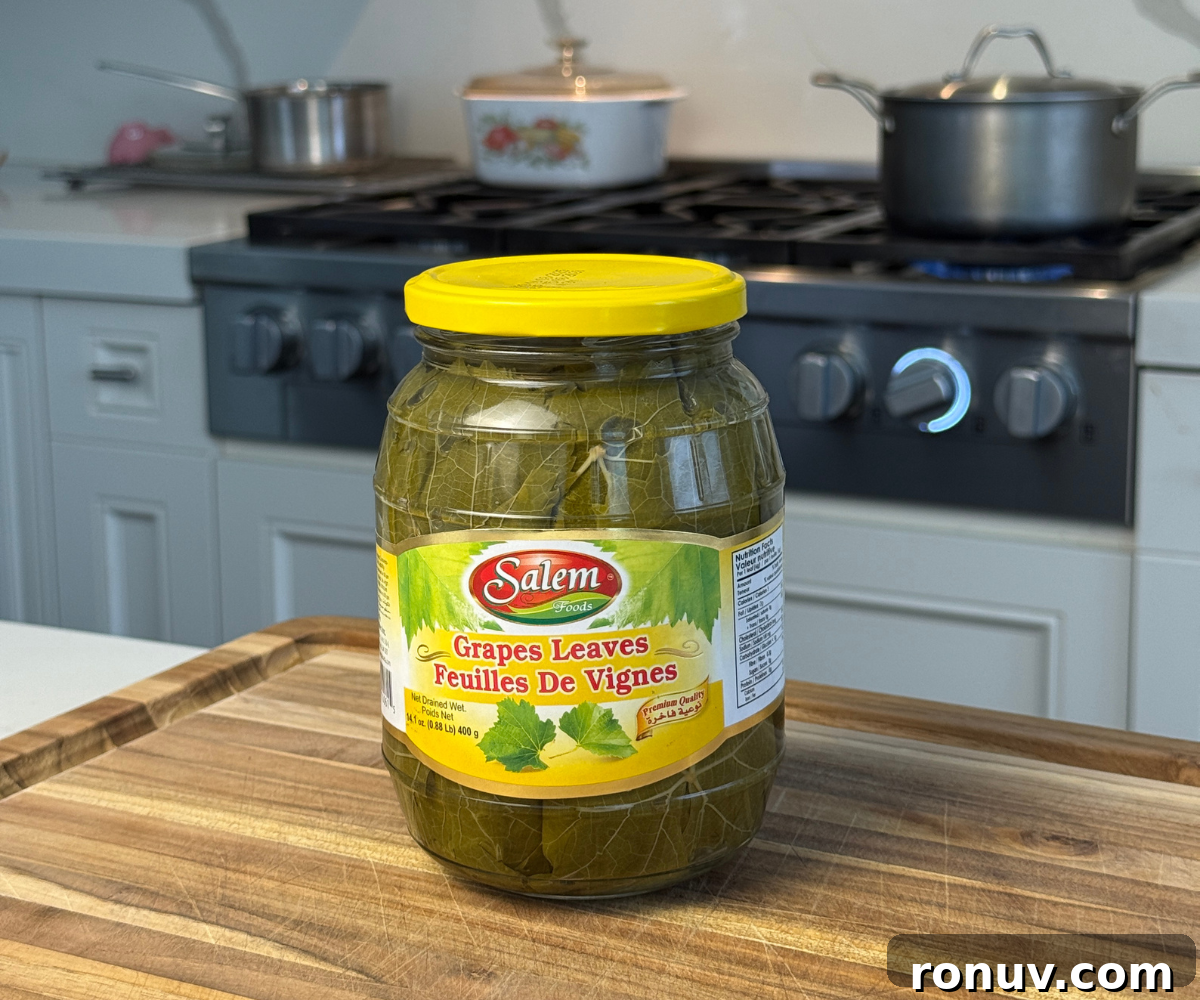
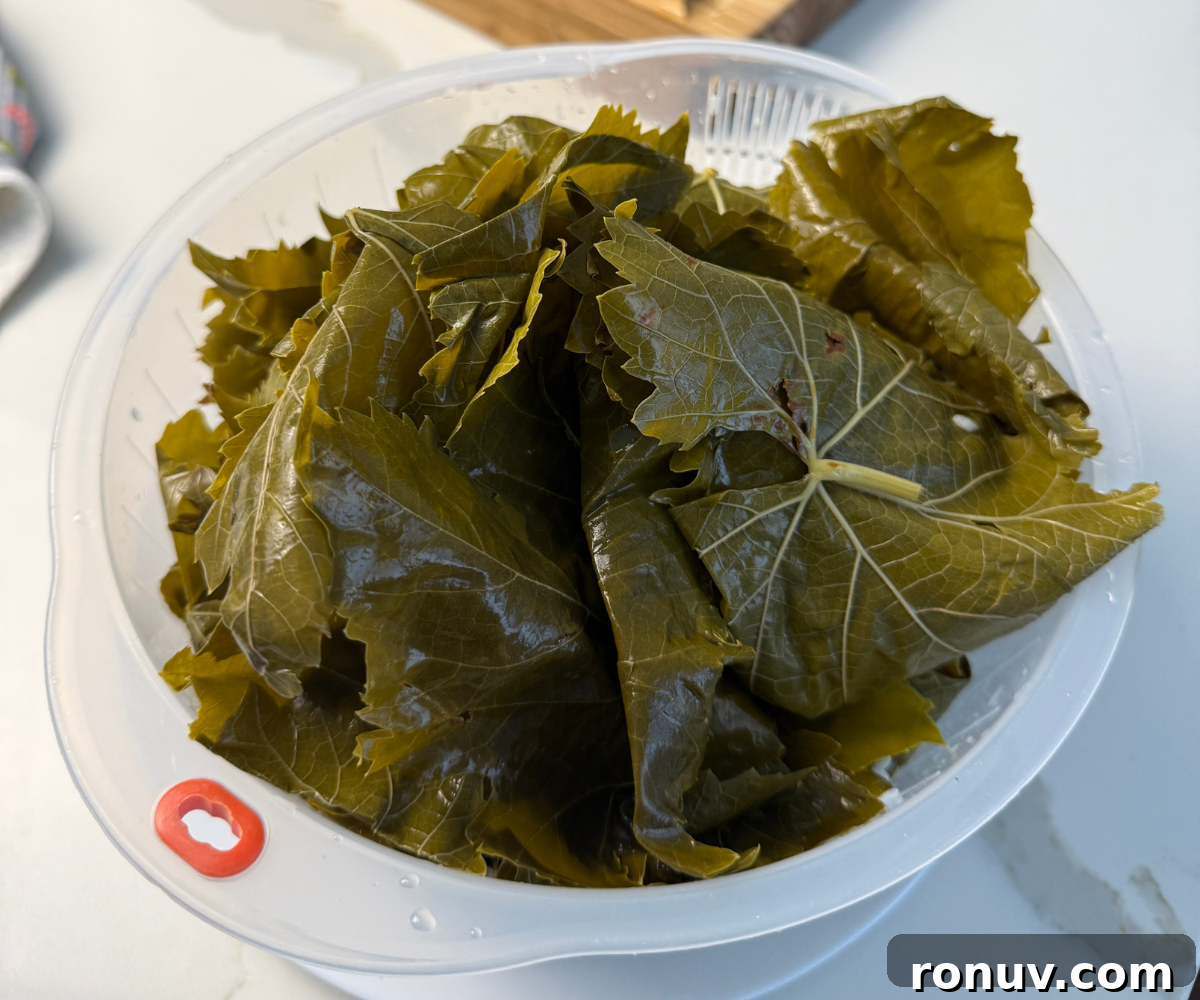
- 1 container grape leaves (jarred or fresh, preserved)
- 2 cups short grain rice, washed
- 1 lb extra lean ground beef
- 1 yellow onion, diced
- 1 tbsp tomato paste
- 1 tbsp seven-spice powder
- 1 tbsp salt (adjust to taste)
- 1 tsp black pepper
- 3 cloves garlic, minced
- 1 tbsp olive oil
Cooking liquid and layering
- 2 onions, sliced into rings
- 2 tomatoes, diced
- 1 L beef broth (or enough to cover rolls)
- ½ lemon, juiced
Instructions
-
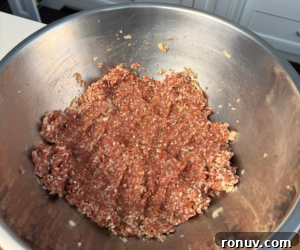
In a large bowl combine the washed rice, ground beef, diced onion, tomato paste, seven-spice powder, salt, pepper, minced garlic and olive oil. Mix thoroughly until ingredients are evenly distributed and set aside so flavors meld.

-
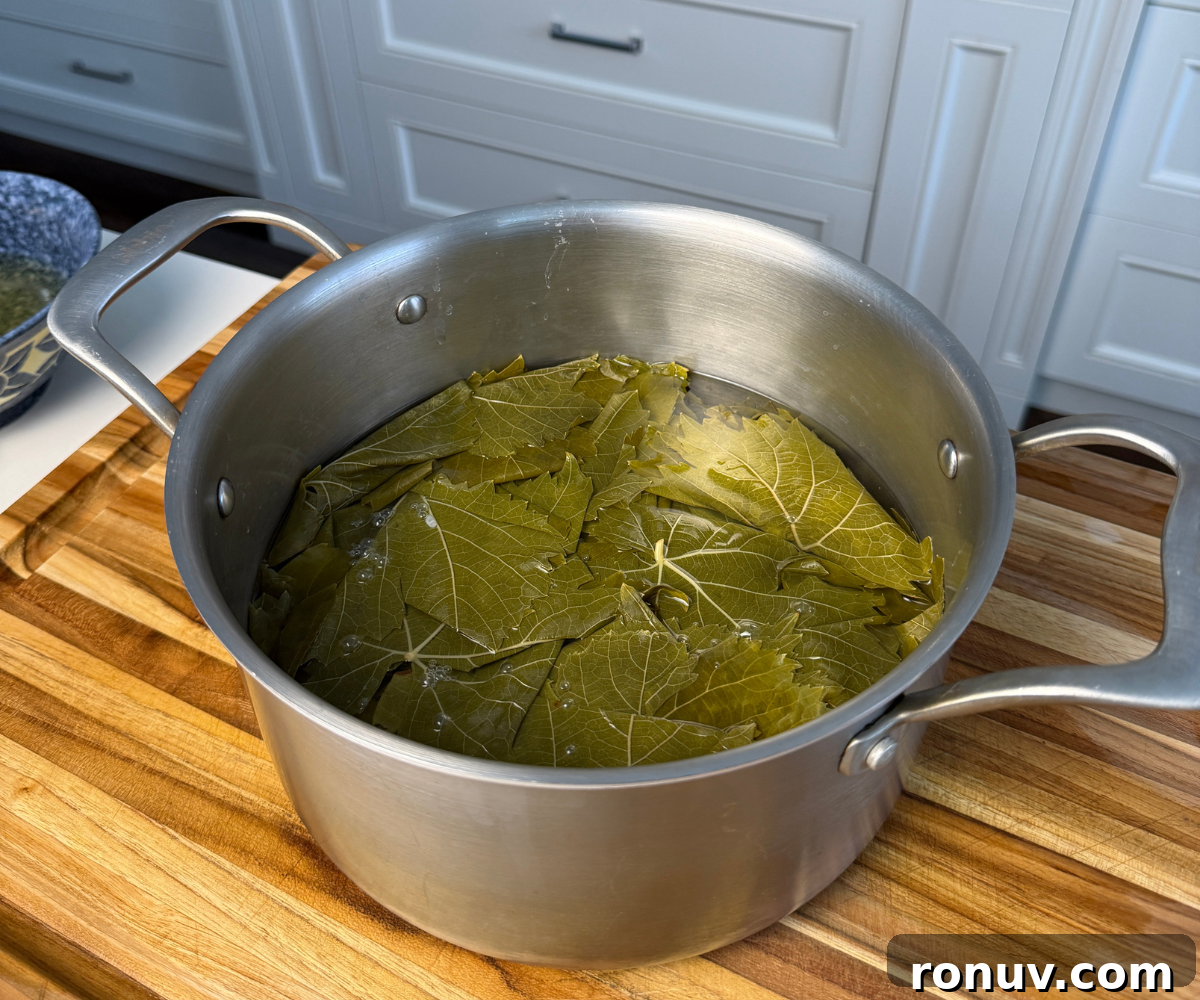
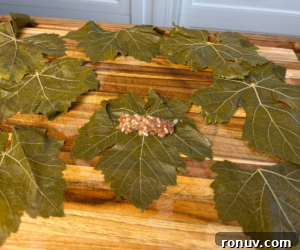
Blanche the grape leaves in boiling water for about 3 minutes to soften them, then remove and separate the leaves so they lie flat.
-
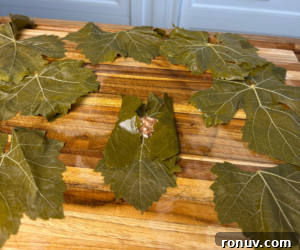
Lay each leaf on a cutting board with the spine side facing up and the glossy side down. Place roughly ½ tablespoon of filling in the center of each leaf.
-
Fold the bottom of the leaf up over the filling, fold the sides in toward the center, then roll from the stem end toward the tip like a small burrito. Do not roll too tightly — leave space for the rice to expand during cooking.
-
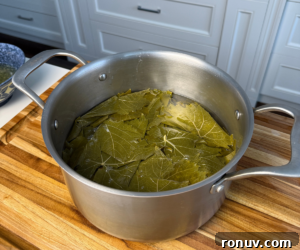
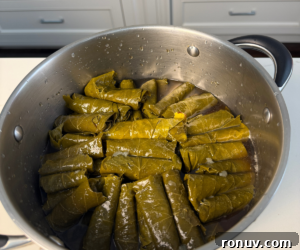
In the bottom of a wide pot arrange a single layer of sliced onions and chopped tomatoes. This prevents the rolls from sticking and adds flavor.
-
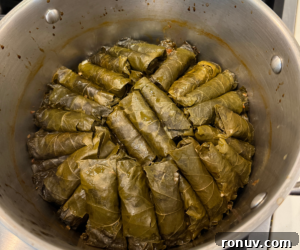
Tightly place the wrapped grape leaves in the pot in neat rows. When the pot is full, place a plate (face down) over the rolls to hold them in place.
-
Pour beef broth and lemon juice over the rolls until they are just covered. Bring to a gentle boil, then reduce heat to low and simmer, covered, for about 2 hours, until the rice is tender and leaves are soft.
-
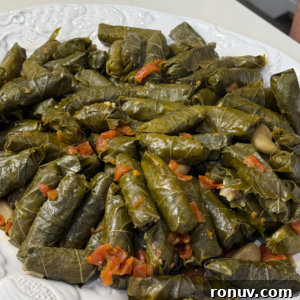
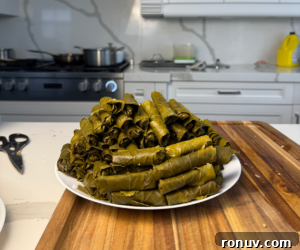
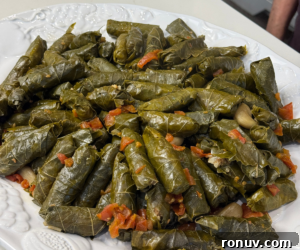
Once cooked, drain any excess liquid, remove the plate and carefully lift the rolls onto a serving dish. Allow them to rest for a few minutes before serving.
Tips for Best Results
- If using jarred grape leaves, rinse well to remove excess brine and reduce saltiness.
- Do not overfill the leaves; leaving room for the rice to expand prevents bursting during cooking.
- Adjust lemon to taste — more lemon brightens the flavor, less keeps it milder.
- Seven-spice blend varies by region; if you prefer, substitute ground allspice and cinnamon sparingly.
- For a vegetarian version, omit meat and increase the rice-to-seasonings ratio; add pine nuts or currants for texture and sweetness.
Storage and Serving
Warak enab keeps well refrigerated for 3–4 days and freezes successfully for up to 3 months. Serve warm with plain yogurt, labneh or a simple lemon wedge. Cold, they make an excellent mezze alongside olives, fresh vegetables and flatbread.
Additional Info
Course: Appetizer, Main Course
Cuisine: Egyptian, Lebanese, Middle Eastern