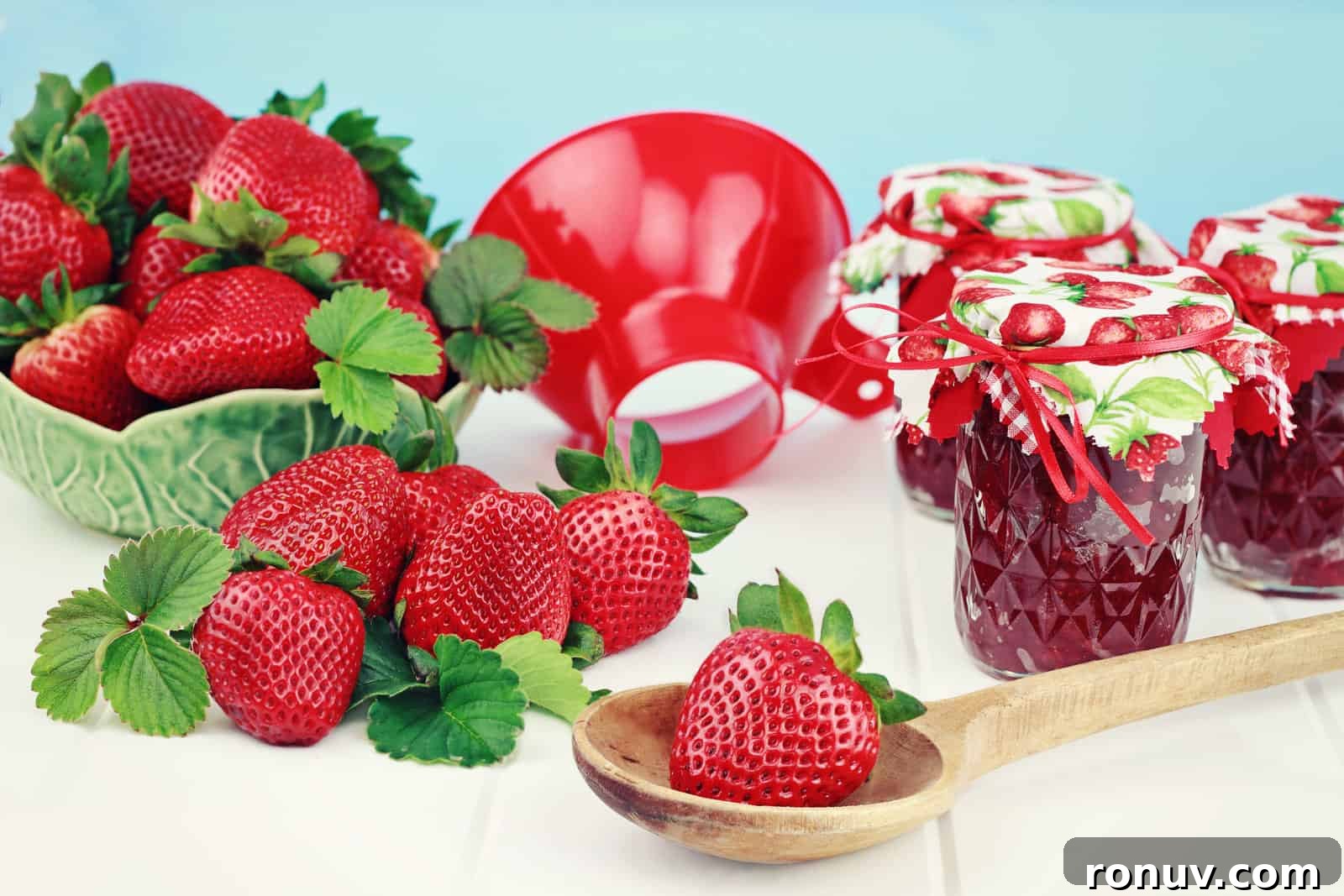
Hot water bath canning is a reliable way to preserve high-acid foods such as jams, jellies, pickles and many tomato preparations. With a little planning, the right equipment and safe recipes, you can fill your pantry with home-canned goods to nourish your family year-round.
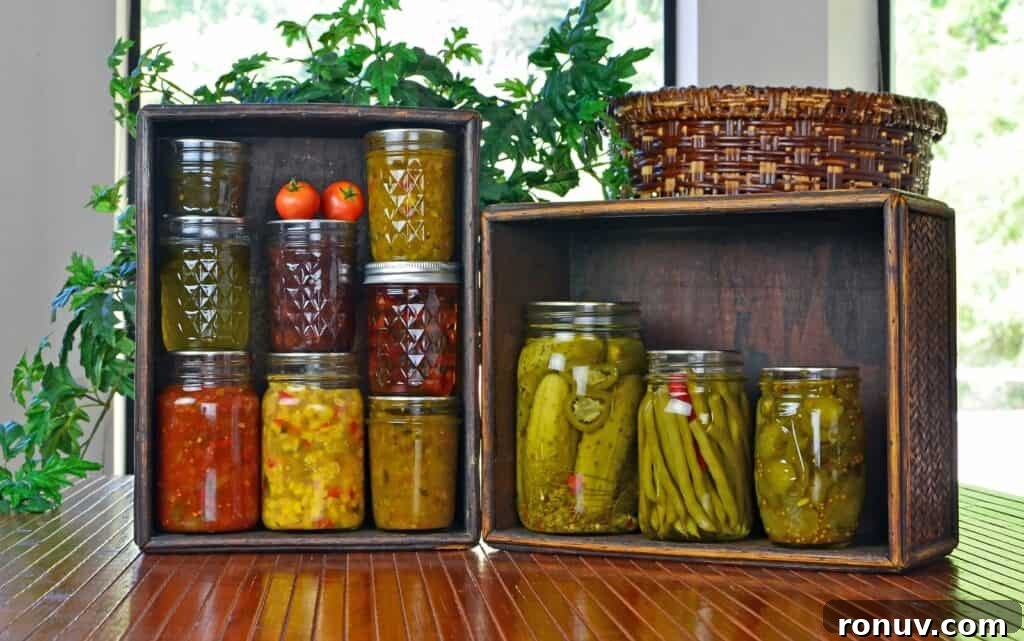
This post may contain affiliate link(s). As an Amazon Associate, I earn from qualifying purchases. See Disclosures.
What kind of canning?
Use the water-bath method only for high-acid or high-sugar foods — think fruit preserves, pickles, relishes and many tomato recipes that include added acid. Low-acid foods such as plain vegetables, soups or meats require a pressure canner to reach the temperatures needed to safely destroy harmful bacteria. If you want a quick refrigerated option instead of traditional canning, you can quick-pickle vegetables and keep them in the fridge without processing.
Always follow tested, trusted recipes designed for water-bath canning. For safety and consistent results, use recipes from reputable sources such as Ball Canning or other established canning references; they list proper ingredient ratios, headspace and processing times that meet safe canning standards.
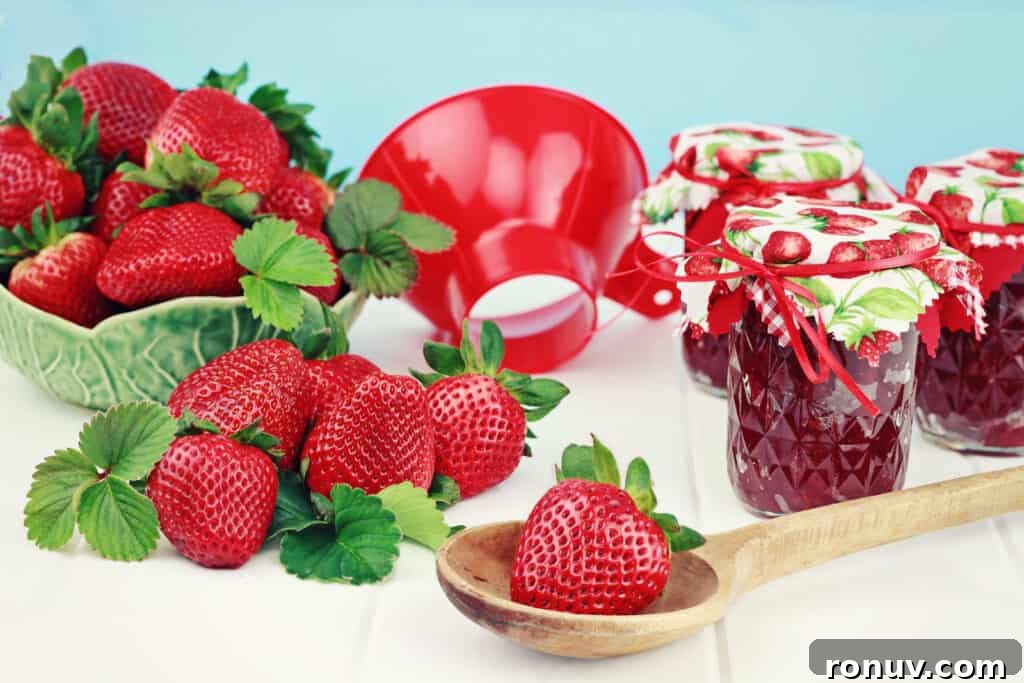
Tools needed for hot water bath canning:
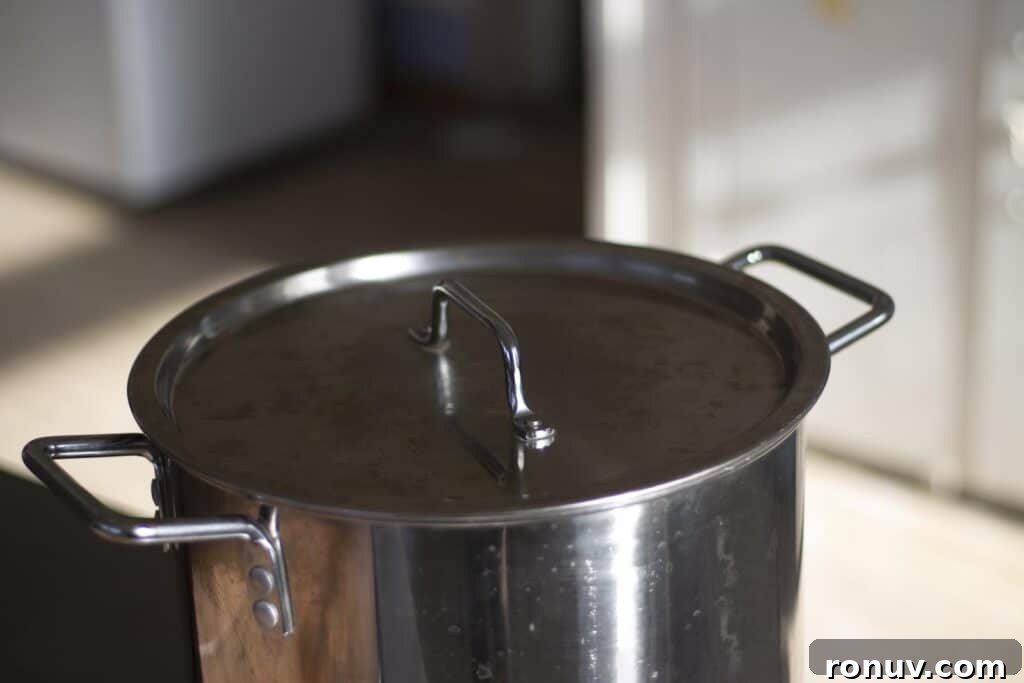
- a large, deep pot with a lid that will fully cover jars with at least 2 inches of water above them
- a canning rack or a folded kitchen towel to protect jars from direct heat
- jar lifter for safely removing hot jars
- canning funnel for neat, spill-free filling
- a tool or nonmetallic spatula to remove air bubbles
- a small saucepan to warm flat lids
- a magnetic lid lifter or tongs
- plenty of clean kitchen towels for drying and cushioning jars
- paper towels for wiping rims
“I started water bath canning when we moved to the far north as a way to preserve our garden produce for the long winters. Even though I enjoy experimenting in the kitchen, I follow the rules when it comes to canning. I make sure my jars are clean and uncracked, I follow recipes carefully, and I always leave the proper headspace. The Ball’s Book of Canning and Preserving is a great resource for beginners.”
— Sarita Harbour, An Off Grid Life
The process of hot water bath canning
Follow these steps to safely preserve foods using the hot water bath method. Read your chosen recipe in full before beginning, and prepare equipment and ingredients ahead of time.
- Prepare equipment: Clean jars, lids and tools with hot, soapy water; rinse thoroughly. You can also use a dishwasher on a hot cycle.
- Sterilize jars: Place jars in a large pot of boiling water and simmer for at least 10 minutes to sterilize. Keep lids and bands clean and warm in a separate saucepan with hot (not boiling) water.
- Keep jars warm while filling: Leave sterilized jars in hot water or keep them in a warm oven (in a roasting pan) so the temperature difference doesn’t cause breakage when hot food is added.
- Prepare the canning pot: Fill the large pot with enough water to cover jars by at least 2 inches. Place a rack or towel in the bottom to protect jars from direct contact with the pot.
- Prepare the food: Follow your recipe for cooking fruit, preserves, pickles or salsa. Use a canning funnel to fill hot jars, leaving the headspace specified in the recipe — correct headspace is essential for a safe vacuum seal.
- Remove air bubbles: Slide a bubble remover or a nonmetallic spatula around the inside of the jar to release trapped air. Adjust headspace if needed.
- Wipe rims and apply lids: Wipe the jar rim with a clean, damp paper towel to remove any residue. Place a warmed flat lid on the jar and screw the band on until fingertip-tight — snug, but not over-tightened.
- Process jars: Use the jar lifter to place filled jars into the prepared pot. Bring the water back to a full rolling boil, then start timing according to your recipe’s processing time.
- Remove and cool: When processing time ends, turn off the heat and carefully lift jars out. Set them upright on a folded clean towel in a draft-free spot and allow them to cool undisturbed for 12–24 hours.
- Listen for seals and check them: As jars cool, lids should make a distinct “pop” as the vacuum seal forms. After 24 hours, press the center of each lid — a properly sealed lid will not flex up and down. Any jars that failed to seal should be refrigerated and used within a few weeks or reprocessed following the correct method.
- Store safely: Label jars with contents and date. Store properly sealed jars in a cool, dark place. For long-term storage, remove screw bands and check seals periodically; discard any jars that show signs of spoilage.
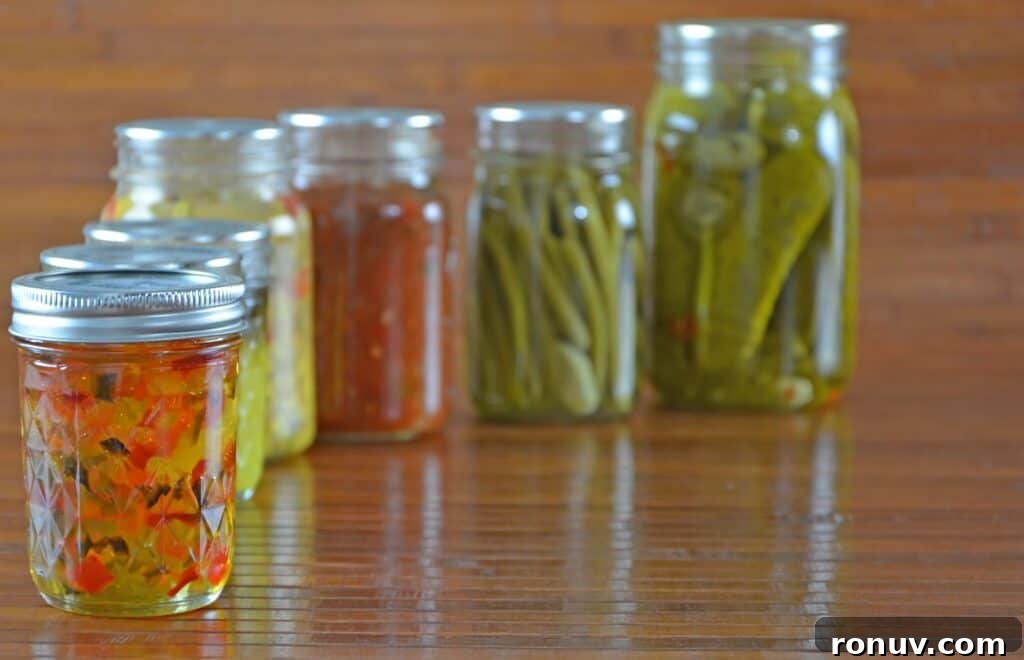
“There’s nothing quite like the satisfaction of canning your own foods. Water-bath canning makes it possible to stock the pantry with fruits, relishes, jams, pickles and salsas. It helps preserve the harvest, take advantage of seasonal abundance and reduce food waste. Home-canned goods also make thoughtful gifts.”
— Cery Norvelle, Bramble Wine Cottage
Hot water bath canning is an accessible, affordable way to preserve seasonal foods and get started on self-reliant food practices. Safety comes first: use tested recipes, follow recommended processing times and headspace, and store finished jars in a cool, dark place. With practice, canning becomes a dependable way to enjoy fresh flavors year-round. Happy canning!
Laura Sampson of Little House Big Alaska shares recipes and techniques to help modern families bring traditional, homestead-style cooking into everyday life. For more tips on home cooking, gardening and preserving, explore resources from experienced home canners and trusted canning guides.