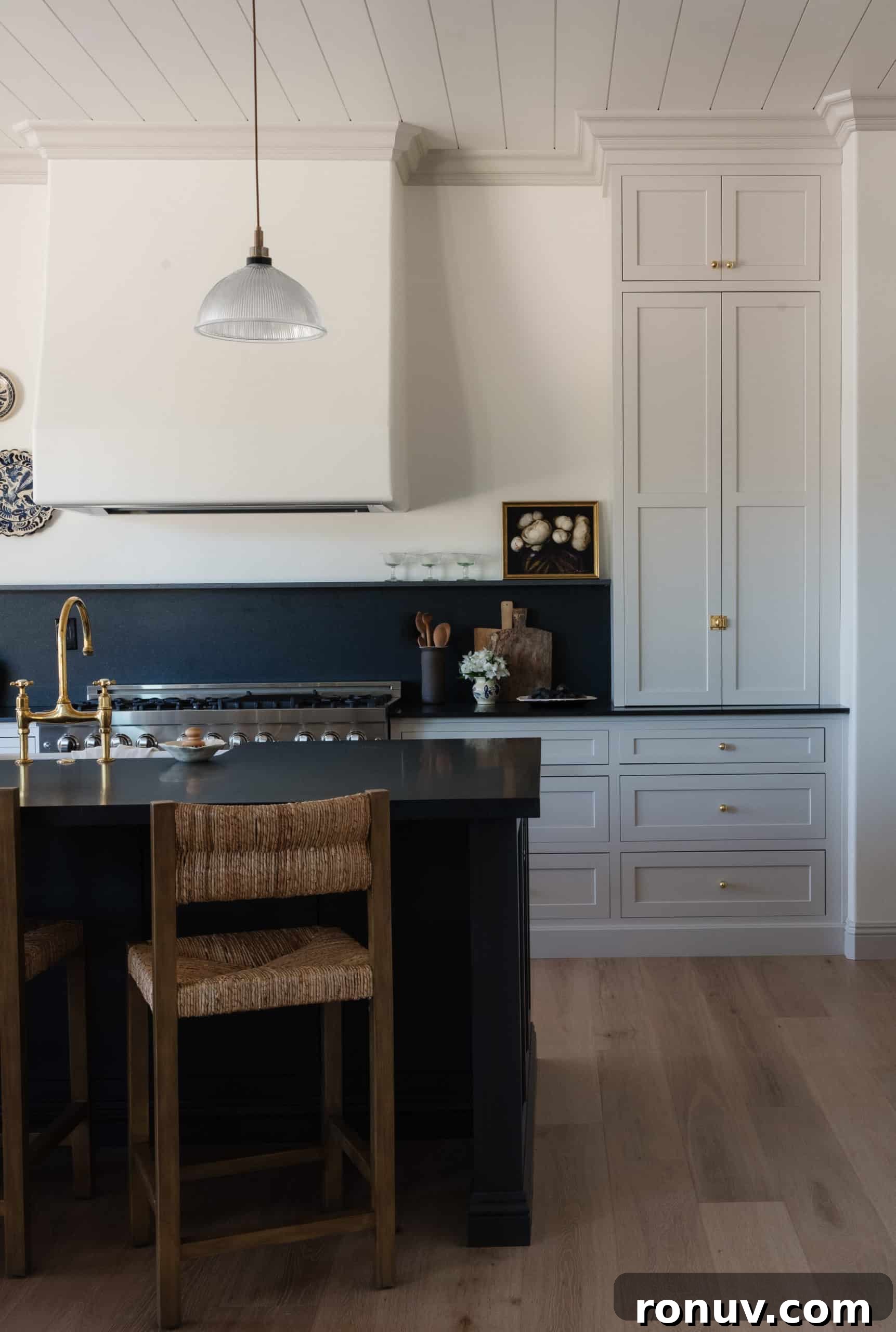
Learn everything you need to know about granite countertops — their advantages, drawbacks, care requirements, and typical costs. Granite is a durable, natural stone choice that works well for kitchens, bathrooms, and other surfaces that benefit from a hard, slab material.
When many people think of granite countertops, they picture beige with brown and gold speckles. That look is still available (for example, New Venetian Gold), but today’s market offers hundreds of granite varieties in a broad spectrum of colors and patterns. Global sourcing and modern fabrication mean you can find granite to suit traditional, modern, or transitional design schemes.
Granite entered mainstream home design in the early 20th century and became a hallmark of upscale kitchens through the 1990s. Today it is considered a classic, reliable option for homeowners seeking natural stone that performs well under regular use.
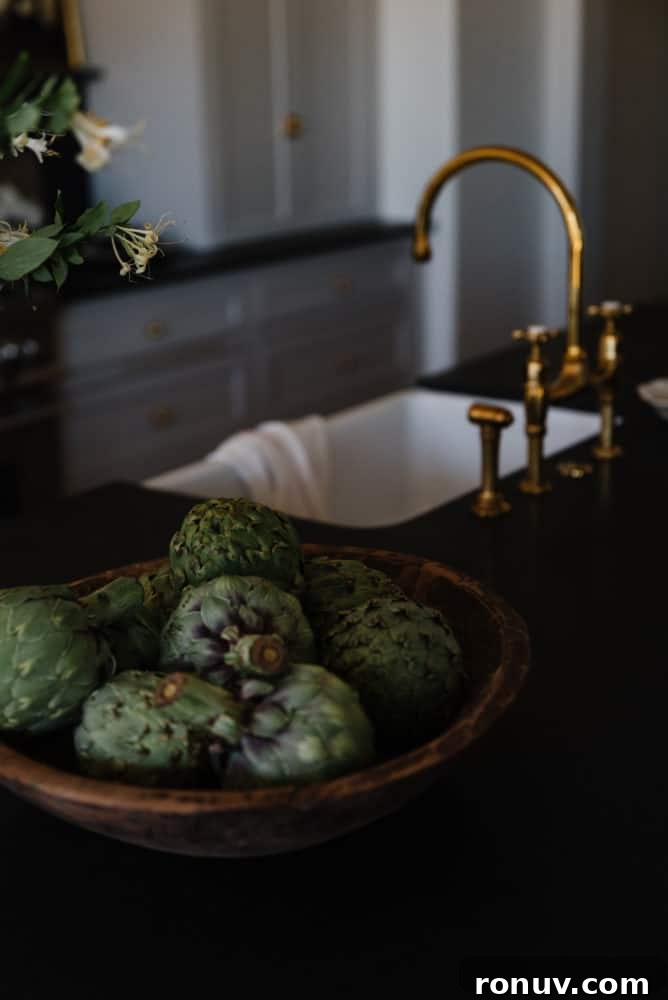
Absolute Black granite countertops
Granite is literally a piece of the earth installed in your home, and the natural variations are part of its appeal. Modern stone yards and fabricators source slabs worldwide, giving you access to a wide assortment of textures—from subtle flecks to dramatic veins and patches of different minerals.
You’re not limited to polished surfaces. Granite can be finished in several ways: polished for a glossy, reflective look; honed for a smooth, matte surface; or leathered/brushed for a slightly textured, natural appearance. Leathered finishes retain a tactile quality with small ridges and pits, while honed finishes read more understated and contemporary.
Table of contents
- The Pros of Granite Countertops
- The Cons of Granite Countertops
- How to Care for Granite Countertops
- The Cost of Granite Countertops
- Explore all about Paints and Finishes
- Little Black Book of Color
The Pros of Granite Countertops
Granite has become more accessible in price over the years while retaining its reputation as a desirable material. Many homebuyers expect to see granite in mid-range and higher-end homes. Key benefits include:
- Heat resistance: You can place hot pans on granite without immediate damage, making it practical around stoves and ovens.
- Sustainability: Quarrying a single granite site can supply slabs for thousands of projects, and stone requires relatively little processing to become usable countertops.
- Scratch resistance: Granite rates high on the Mohs hardness scale, so it resists scratches from most household items. Cutting directly on granite will dull your knives, so a cutting board is still recommended.
- Variety: Natural granite offers a wide range of colors and patterns—from subtle, neutral tones to bold veining or patches of other minerals like quartz.
- Chemical resistance: Granite is generally resistant to household chemicals and acids, reducing worry over common kitchen spills.
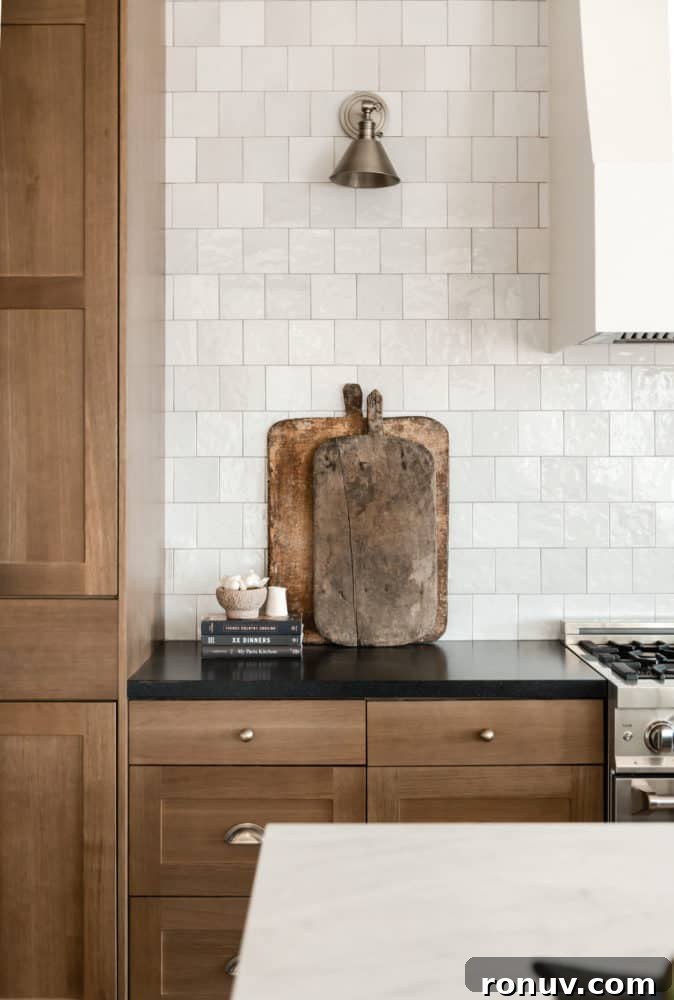
Absolute Black granite is a timeless option
The Cons of Granite Countertops
- Porosity: Granite is naturally porous and must be sealed before use and resealed periodically. A simple test is to place a drop of water on the surface—if it beads, the seal is intact; if it soaks in or darkens the stone, resealing is needed. Proper sealing helps prevent stains and bacterial buildup.
- Chipping and cracking: While granite is strong, heavy impact can chip or crack an edge or surface. Most chips can be repaired professionally.
- Potentially dated appearance: Lower-cost, heavily speckled granites can date a kitchen. Choosing cleaner patterns or solid dark stones like Absolute Black keeps a timeless look.
- Weight: Granite is heavy—roughly 20 pounds per square foot—so cabinetry and installation must account for that load.
- Visible seams: Because slabs are natural and unique, seams may be noticeable, especially on busy patterns where patterns cannot be perfectly matched.
- Fissures: Small natural fissures can appear in some slabs. Fabricators often fill larger fissures with epoxy and can work around prominent fissures during template and cut work to minimize visual impact.
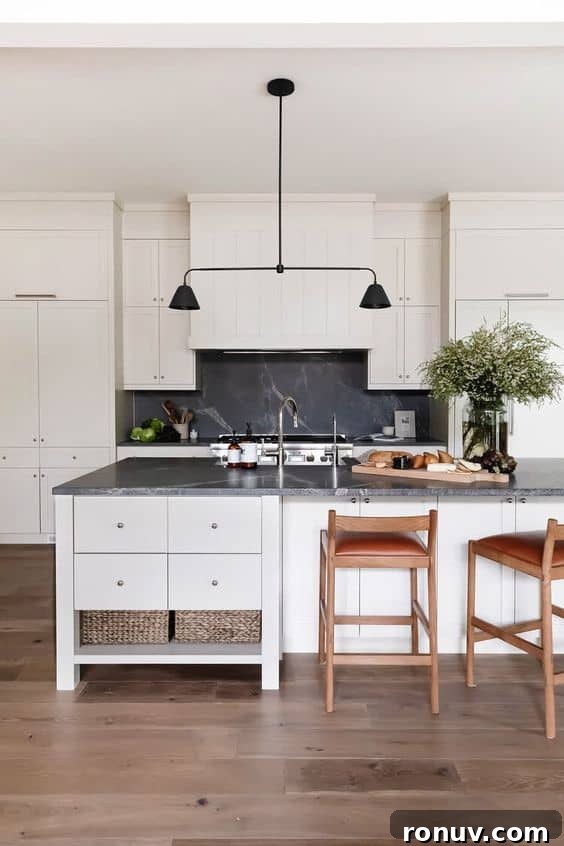
Source: W Design Collective
This feature shows Silver Grey granite, which resembles soapstone in appearance.
How to Care for Granite Countertops
Granite is relatively low-maintenance when sealed properly. Daily cleaning typically requires only a soft cloth and a neutral pH cleaner or mild dish soap with water. Avoid abrasive cleaners and strong acids or alkalis such as vinegar, ammonia, or bleach, which can degrade the sealer or dull the finish.
Sealing is straightforward: apply a granite sealer with a soft cloth, allow it to penetrate for the time recommended by the product, then wipe away any excess and let it cure per instructions. Most homeowners reseal every one to three years depending on slab porosity and usage.
To minimize chips and cracks, avoid dropping heavy cookware directly on the countertop and be mindful around sink edges, where repeated impact or washing can stress the stone. Also avoid thermal shock—moving from extremely hot to extremely cold conditions quickly—because sudden temperature shifts can cause cracks in any natural stone.
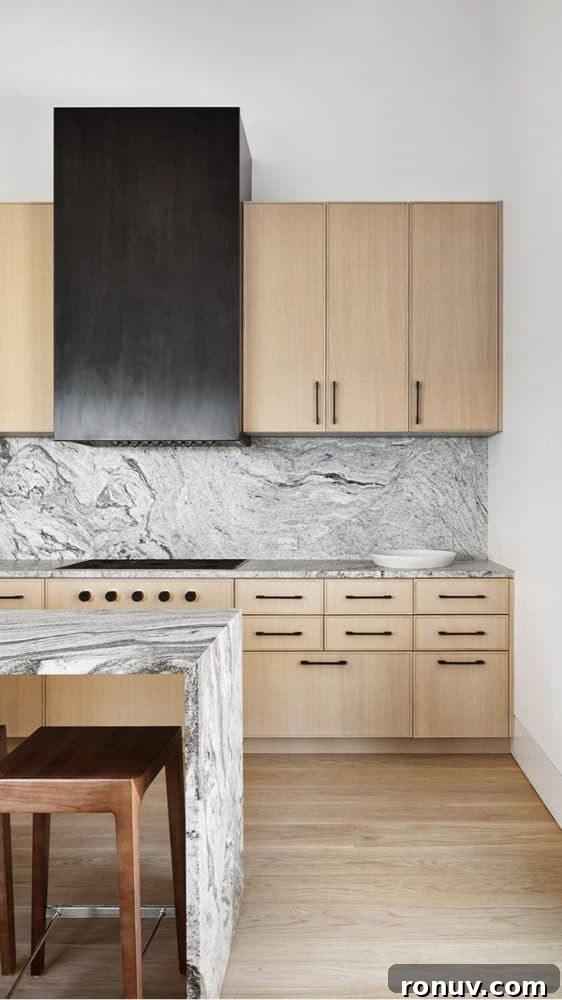
This feature shows Silver Cloud granite. Source: Reid Builders
The Cost of Granite Countertops
Granite slab prices vary widely depending on rarity, color, and pattern. Entry-level granites—such as Ubatuba, Valle Nevado, and Dallas White—are often among the most affordable, with slab costs commonly in the $30–$40 per square foot range.
Mid- to high-end exotic granites, including stones with rare blues, reds, or dramatic veining (for example, Titanium or Blue Pearl varieties), typically fall in the $60–$90 per square foot range or higher. Unique colors and large, continuous patterns generally increase slab cost.
Keep in mind that fabrication and installation account for a significant portion of the total project cost—often two-thirds of the overall price. Fabrication requires specialized equipment and expertise for templating, cutting, edging, and installing the heavy slabs, so DIY installation is not practical or safe.
When you visit a stone yard with a fabricator, slabs are often labeled by grade or price range. Ask your fabricator which ranges fall within your budget before you select slabs to avoid selecting options that exceed your project estimate.
No. Natural stone remains a lasting choice when well maintained. While some lower-cost, heavily speckled granites can look dated, classic stones like Absolute Black or cleaner-patterned granites stay in style. There are also granite options that mimic the look of soapstone or other stones without the maintenance soapstone requires.
True pure white stone with only grey veins is not typical in granite. Lighter granites usually include flecks or tones of other colors such as brown, red, or black. If you want a natural stone with a white field and grey veining, marble or quartzite are the more accurate choices.
Explore all about Paints and Finishes
For complementary advice on colors and finishes, explore paint and finish guides focused on current trends, trim techniques, and finish selections for interior and exterior projects. These resources can help you coordinate cabinetry, wall color, and countertop choices to create a cohesive palette throughout your home.
Designer’s Review: Sherwin Williams Pure White SW7005
The Best Red Paint Color Ideas to Transform Your Space
A Designer’s Guide to the Best Warm White Paint Colors
How to Choose the Best Interior Paint Colors for Your Home
A Green Bathroom Remodel You’ll Love

instant download
Little Black Book of Color
Download our free paint guide to get expert tips for coordinating colors across your home. This 30‑page guide covers palettes, finishes, and pairing suggestions to help you achieve a cohesive look.
The exclusive paint guide provides curated color combinations and practical advice for every room.