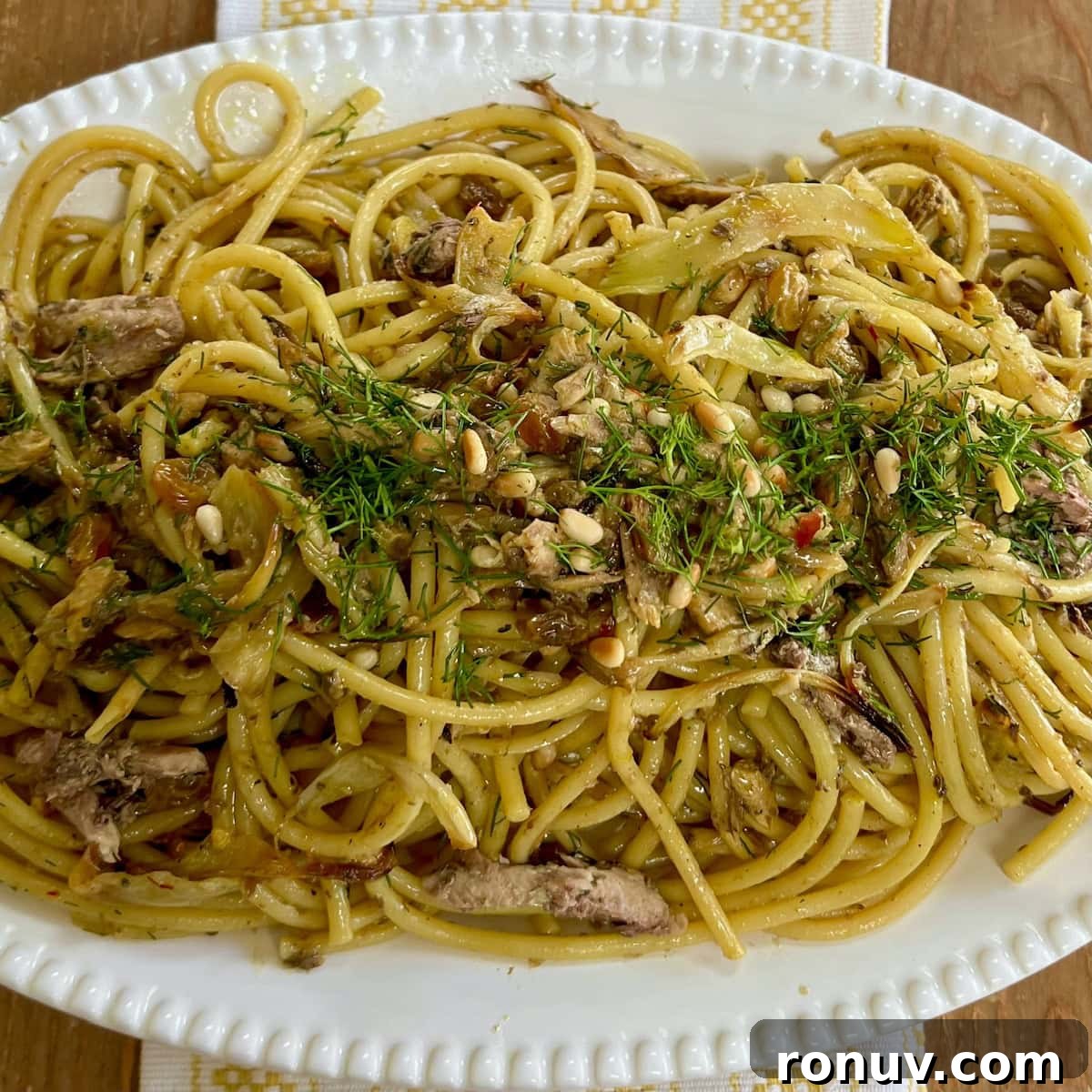
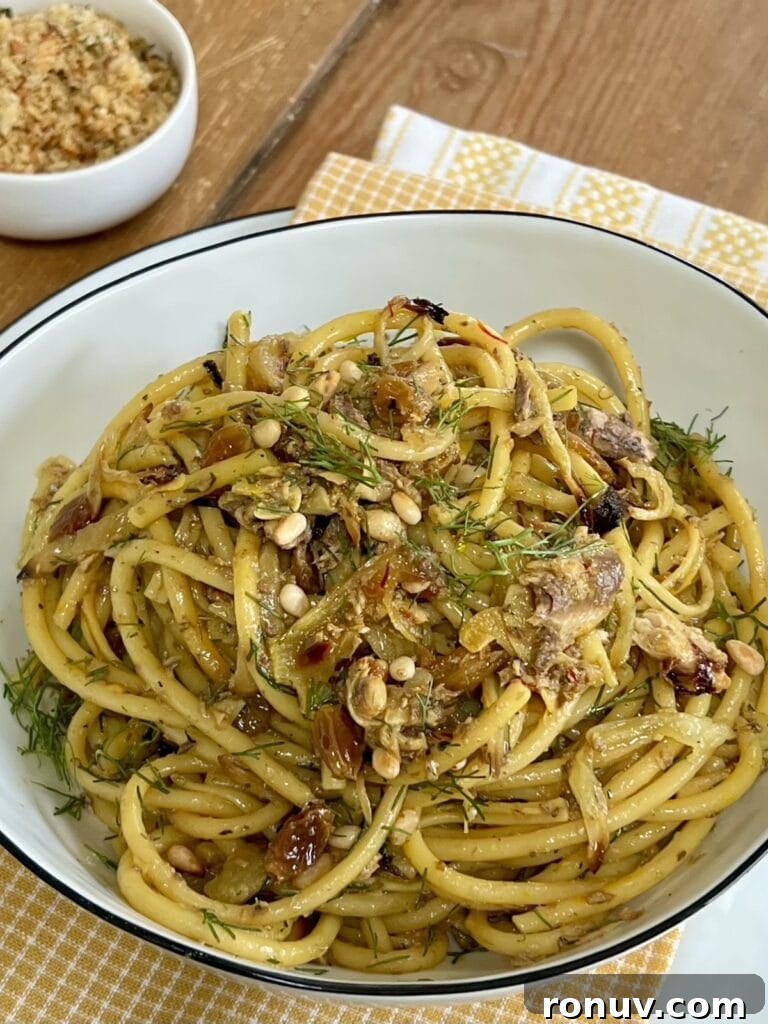
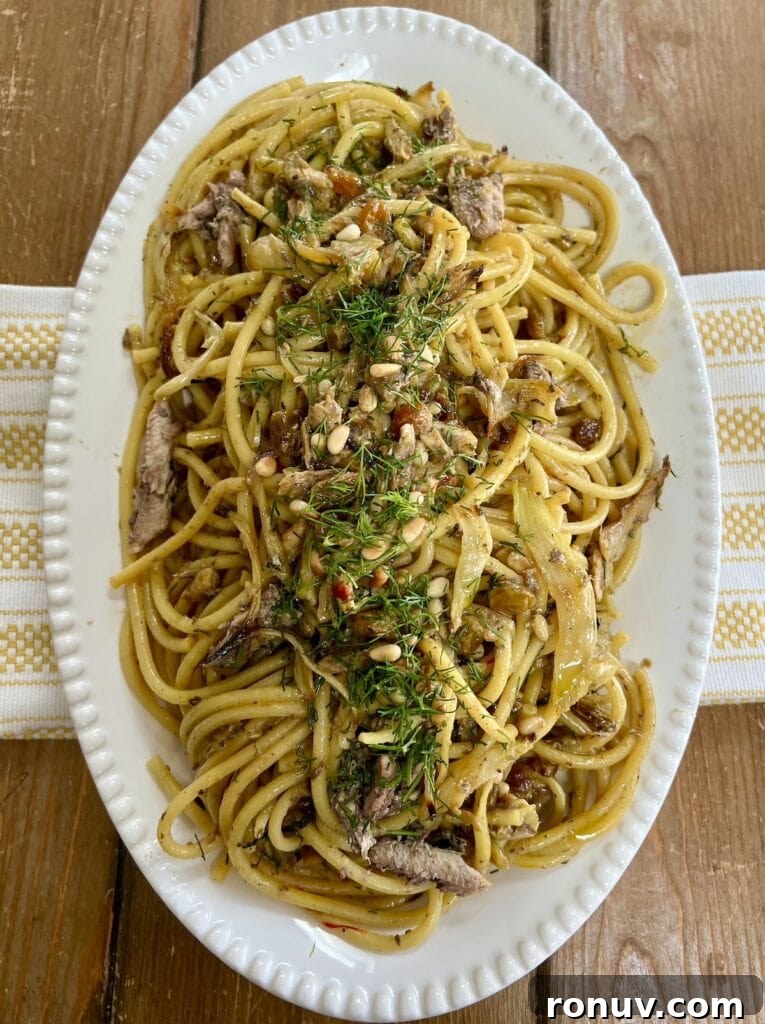
Relish the bright, savory flavors of Sicily with this Pasta Con Sarde recipe. An aromatic sauce of sardines, fennel, saffron, rehydrated raisins and toasted pine nuts is tossed with pasta and finished with crunchy, golden breadcrumbs. This classic dish is often made on March 19 to celebrate St. Joseph’s Day, the patron saint of Sicily, but it’s delicious any time you want a pasta that’s fragrant, layered and memorable.
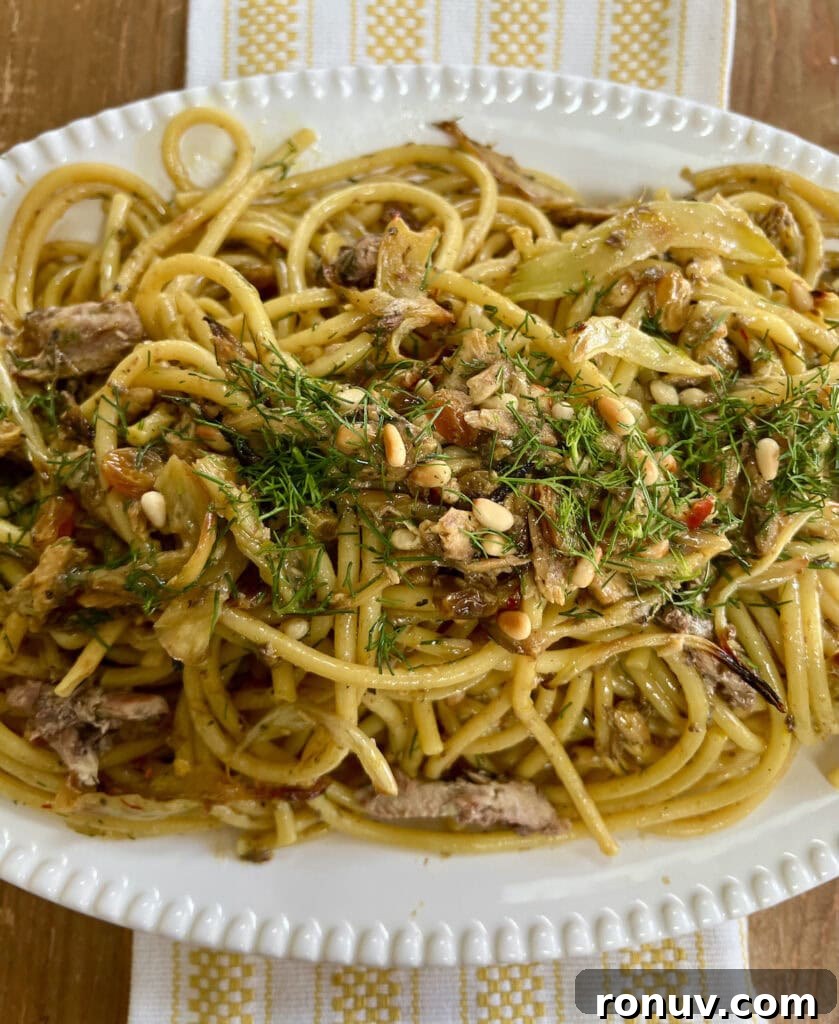
What is Pasta Con Sarde?
Pasta con le sarde is one of Sicily’s most distinctive dishes: long pasta paired with the bold, aromatic tastes of sardines, fennel and Mediterranean seasonings. The combination of briny fish, sweet raisins (or currants), fragrant saffron and crunchy pine nuts is striking but harmonious. A final sprinkling of toasted breadcrumbs—pangrattato—adds texture and a toasty finish. Each ingredient plays a deliberate role in creating the savory-sweet profile that defines this classic.
Pasta alle sarde is traditionally served for Lent and at St. Joseph’s Day celebrations every March 19, alongside other regional specialties. While its components may seem unusual at first, the result is a balanced, layered dish that celebrates Sicily’s diverse culinary history.
Originating around Palermo, variations of this recipe are found across the island. Sicily’s cuisine bears clear Arab influences—saffron, pine nuts and the interplay of sweet and savory are hallmarks of that legacy. Those influences appear throughout Sicilian cooking, from agrodolce relishes to other celebrated dishes that pair contrasting flavors with finesse.
Ingredients such as saffron, pine nuts and dried fruit, and the habit of combining sweet and savory notes, reflect that historical fusion.
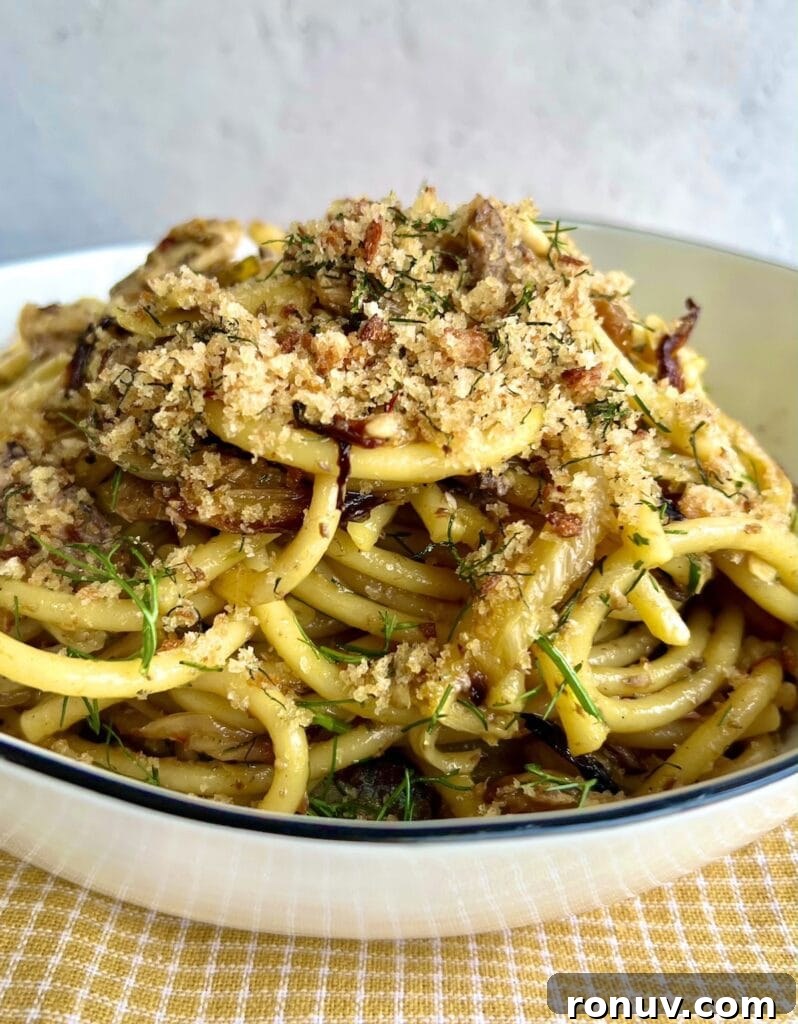
If the idea of sardines, fennel, saffron, raisins, pine nuts and breadcrumbs sounds like a lot, trust the process: this dish marries surprising elements into a vivid and satisfying experience of taste and texture. If you enjoy flavor contrasts and Mediterranean ingredients, this is a must-try.
Tomayto, Tomahto
As with many beloved Italian recipes, there is no single “correct” version of pasta con sarde. Regional and family variations abound: some cooks add cinnamon or nutmeg instead of saffron, others sweeten the breadcrumbs or include tomatoes, carrots or other vegetables. Some recipes are finished in the oven, and some use pan-fried or sautéed fennel rather than roasted.
All of these variations are valid; they reflect local tastes and the creative freedom that comes with traditional cooking.
There is even a frugal variation called pasta chi sardi a mari — literally “pasta with sardines still in the sea” — for households that substitute other ingredients when fresh fish is scarce. It’s an example of how flexible and resourceful Sicilian cooking can be.
For this version, fennel slices are roasted until lightly caramelized to deepen their sweetness and add a savory note. Garlic replaces onions to keep the flavors brisk and direct. Wild fennel (finocchietto) is an ideal match but is often unavailable; cultivated fennel, its fronds and a touch of ground fennel help approximate that wild aroma. I use canned sardines packed in extra virgin olive oil when fresh fish isn’t convenient—an accessible and flavorful choice.
The finished result is outstanding: layered, aromatic and balanced between briny, sweet and toasty notes. Whether you’re observing a holiday or simply cooking for pleasure, give this Sicilian classic a try. Buon appetito!
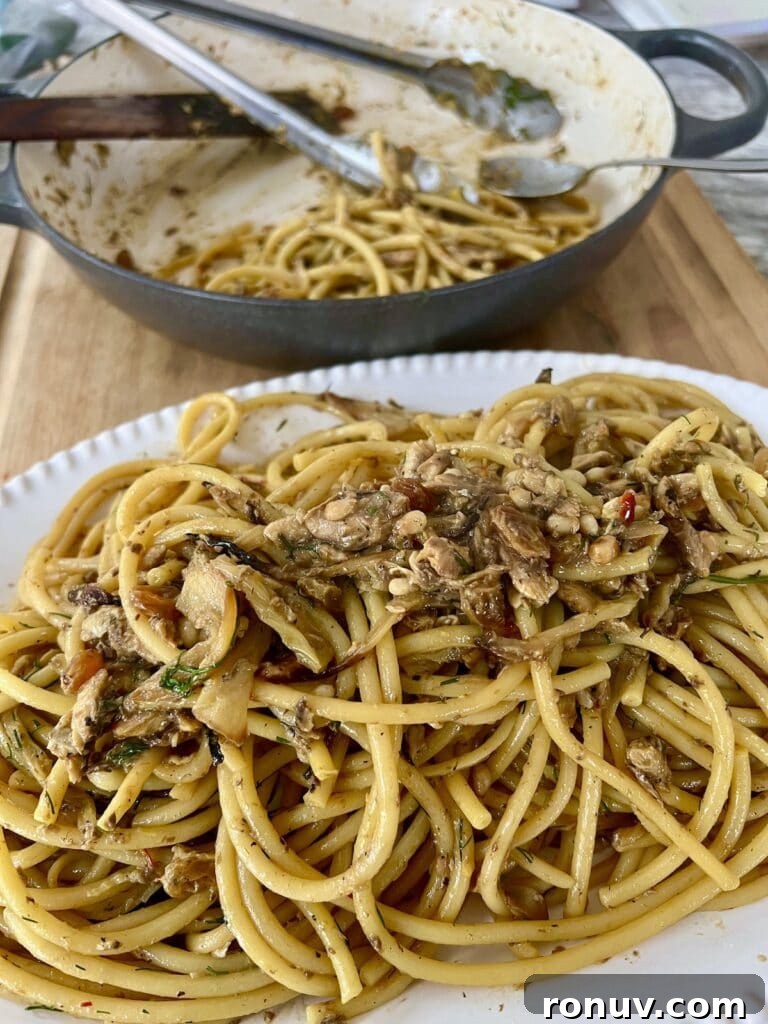
Main Ingredient Notes
Here are the key components that shape this dish and a few tips for choosing them:
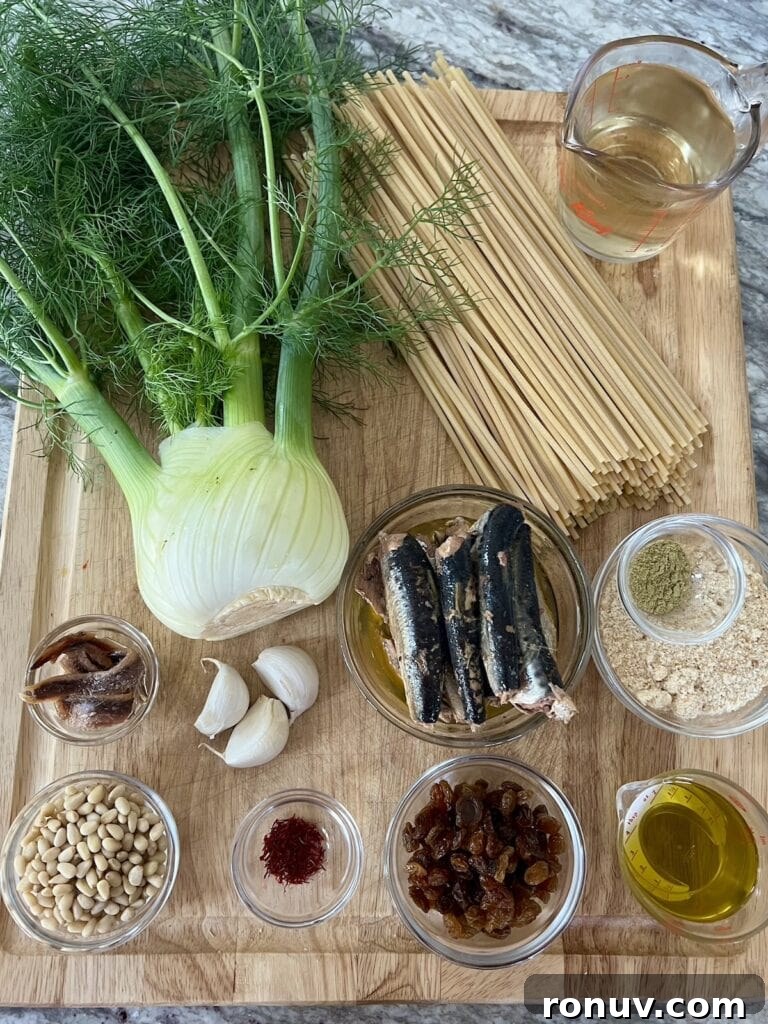
- Sardines: Tinned sardines in extra virgin olive oil are convenient and flavorful. You can use fresh sardines if available, but canned varieties work very well. Use about 12–16 ounces total.
- Fennel: The bulb brings a mild anise note that softens when roasted. Use fresh fronds for garnish and in the breadcrumb topping to enhance the fennel character.
- Saffron: A small pinch of saffron adds floral, honeyed notes and beautiful color. A little goes a long way.
- Pine Nuts and Raisins/Currants: Toasted pine nuts add crunch and warmth; raisins or currants, rehydrated in white wine, provide a subtle sweetness that balances the fish.
- Breadcrumbs: Plain fine breadcrumbs make a delicious pangrattato topping. Homemade crumbs or unseasoned panko also work.
- Anchovies and Garlic: Anchovies deepen the savory base; garlic provides aromatic lift. Use fresh garlic rather than pre-minced jarred garlic for best flavor.
- Pasta: Spaghetti or bucatini are traditional, but any long pasta will do. In Sicily, local shapes such as busiate are also used.
- Dry White Wine and Olive Oil: A dry white wine deglazes and brightens the sauce. Extra virgin olive oil is used to roast fennel, sauté aromatics and finish the dish.
If you enjoy fennel in other dishes, try pairing similar flavors in roasted sausage and fennel sheet-pan dinners or hearty soups where fennel adds a gentle anise accent.
How to Make Pasta Con Sarde
The following steps outline a straightforward approach to this classic Sicilian pasta. See the ingredient list and notes below for quantities and optional choices.
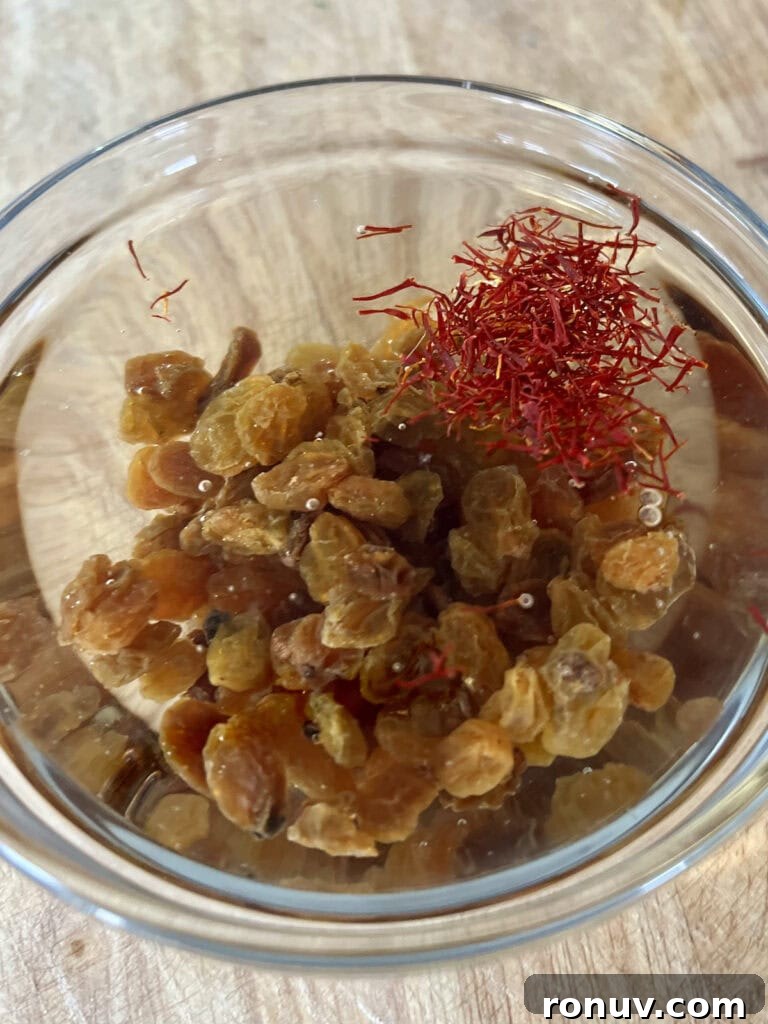
- Soak the raisins or currants and the saffron in dry white wine. Stir and let the mixture sit for at least 30 minutes so the fruit rehydrates and the saffron infuses the liquid.
- Prepare the remaining ingredients: core and thinly slice the fennel, chop garlic and fronds, and lightly crumble the sardines. Preheat the oven to 400°F (convection if available) and bring a large pot of water to a boil.
- Roast the fennel: toss the slices with a little oil, spread in a single layer on a parchment-lined sheet pan and roast 30–35 minutes until tender and lightly caramelized. Set aside.
- Toast pine nuts briefly in a dry skillet over medium-low heat until golden and fragrant; watch carefully to prevent burning.
- Make the breadcrumb topping (pangrattato): warm olive oil with chopped fennel fronds and a pinch of ground fennel until fragrant, then add fine breadcrumbs, salt and pepper. Stir until the crumbs turn golden and crisp; set aside.
- In a large skillet, heat remaining olive oil over medium heat. Add garlic, anchovies and a pinch of red pepper flakes. Cook 2–3 minutes until garlic softens and anchovies dissolve into the oil.
- Add the saffron-infused wine and the rehydrated raisins or currants. Simmer 4–5 minutes to meld flavors and cook off most of the alcohol.
- Stir in the roasted fennel and sardines, lowering the heat to keep everything warm while the pasta finishes.
- Cook the pasta in salted boiling water to about two minutes shy of al dente. Reserve at least 1 cup of starchy pasta water.
- Transfer the pasta to the skillet with the sauce, add about ½ cup of the reserved pasta water to start, then add toasted pine nuts and fennel fronds. Toss gently and let the pasta finish cooking in the sauce, adding more pasta water if needed to reach a silky consistency. Season with pepper and salt to taste.
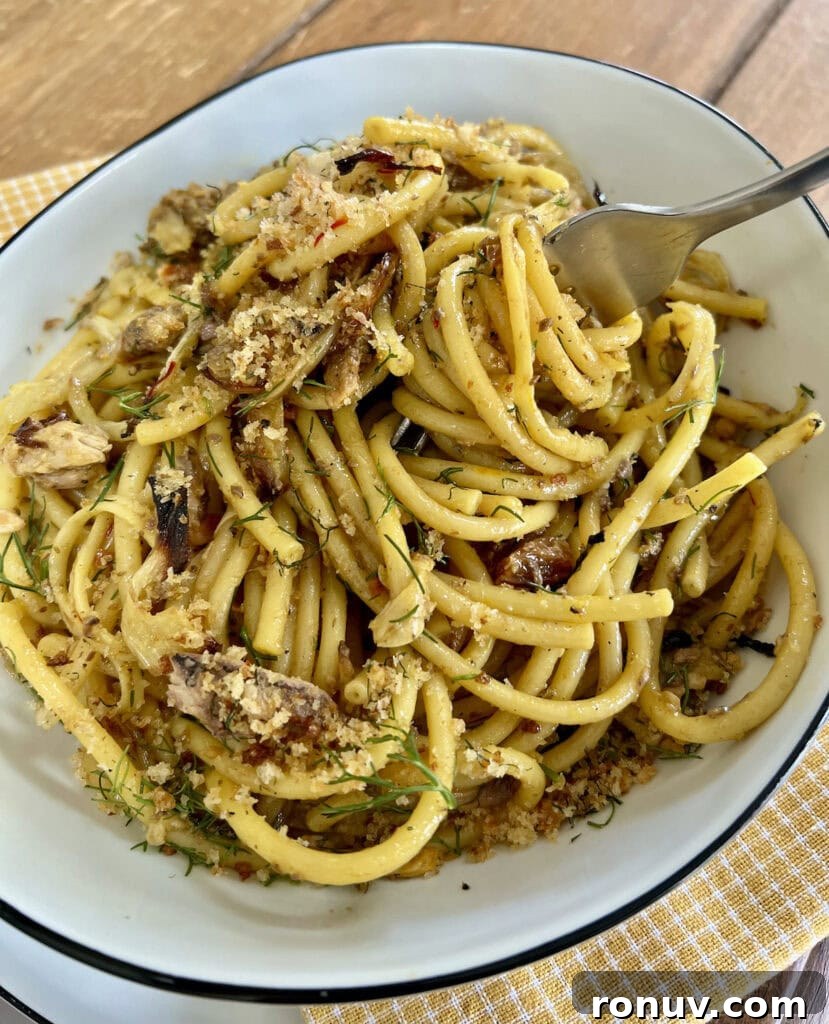
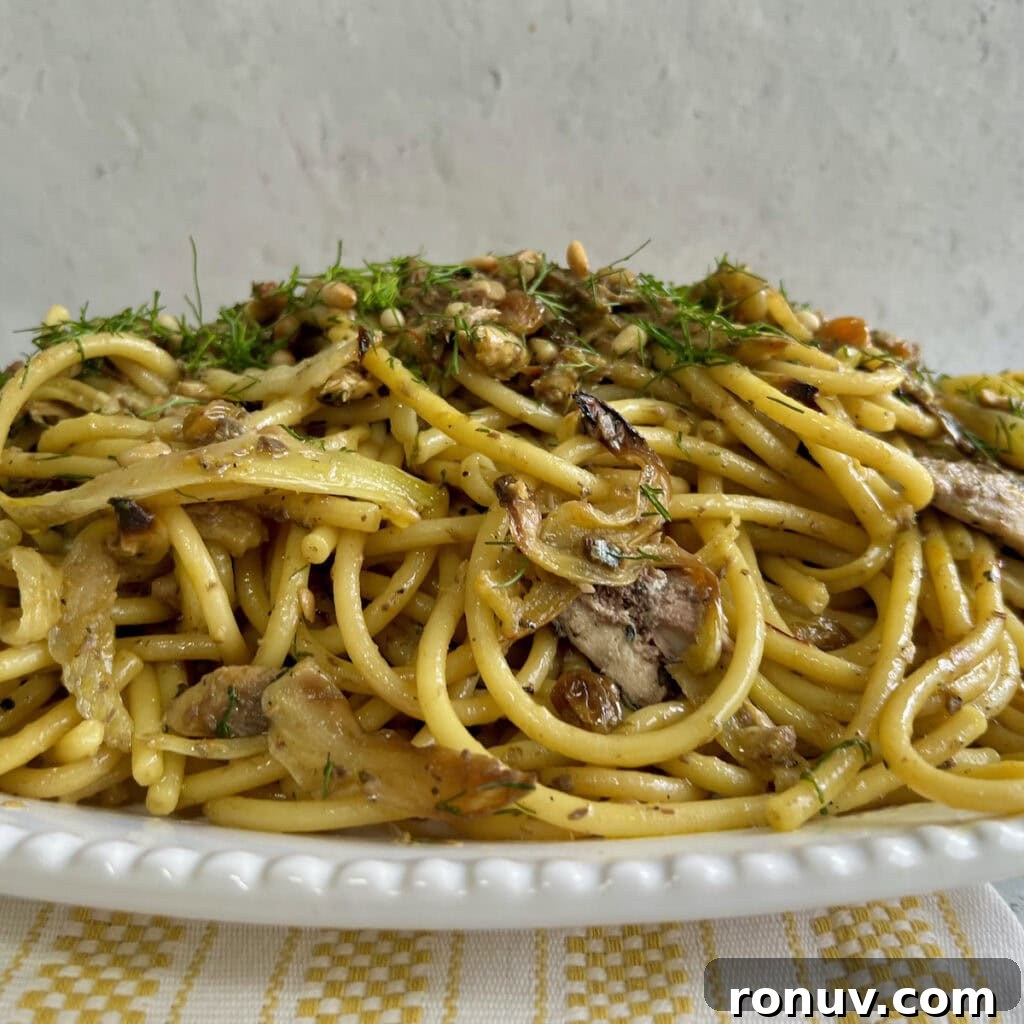
- Turn off the heat, transfer to a serving platter and sprinkle with some of the breadcrumbs. Serve the remaining breadcrumbs on the side so diners can add more to taste. A final drizzle of extra virgin olive oil is lovely.
Sardine Primer
Canned or tinned sardines come in many styles: packed in water, olive oil or extra virgin olive oil; smoked; flavored with tomato, lemon or chiles; and prepared whole, boneless, or butterflied. For best flavor in this recipe, choose sardines packed in extra virgin olive oil when possible. You can leave the tiny bones (they’re edible) or remove them if you prefer. If using fresh sardines, clean and debone them before adding to the pan a couple of minutes after the garlic so they cook through.
Use roughly 12 to 16 ounces of sardines for this recipe whether you use multiple small tins or fresh fish.
More Meatless Pasta Ideas
- Spaghetti with simple garlic, olive oil and red pepper flakes
- Pasta with basil pesto
- Linguine with red clam sauce
- Bucatini with tuna sauce
- Pasta with broccoli, cheese and lemon
Frequently Asked Questions
What are fennel fronds?
Fennel fronds are the feathery green leaves that grow atop fennel bulbs. They taste lightly of anise and resemble dill in texture. They add freshness and a hint of fennel aroma to this pasta.
What other foods are traditionally served on St. Joseph’s Day?
St. Joseph’s Day often features meatless dishes, especially pasta topped with toasted breadcrumbs to symbolize sawdust (Saint Joseph was a carpenter). Sweet pastries like zeppole and sfinge are also common, along with seasonal vegetables such as fava beans.
Why is St. Joseph’s Day celebrated in Italy?
March 19 is St. Joseph’s Day and is observed across Italy as a day to honor fathers and Saint Joseph. In Sicily, he is a patron saint, and local traditions emphasize gratitude, seasonal foods and communal feasts.
Recipe Variations and Substitutions
- Saffron, ground fennel and breadcrumb topping are optional but highly recommended for authenticity.
- Instead of roasting, the fennel can be diced and sautéed with the garlic for a quicker version.
- For a richer finish, add a knob of butter when tossing the pasta.
- If you prefer a fish-free version, try substituting preserved vegetables or omit the sardines entirely.
- Panko makes a crisper breadcrumb topping but use plain, unseasoned panko.
- For heat, increase red pepper flakes or add a spoonful of Calabrian chile paste early in the cooking.
- Some Sicilian variations include tomato or tomato paste; others finish the dish in the oven for a gratin-style presentation.
Top Tips
- Choose sardines in extra virgin olive oil for the best flavor; debone if you prefer.
- Keep fennel fronds when possible—they boost both flavor and presentation.
- Reserve plenty of pasta water; its starch helps bind the sauce to the pasta.
- Prep elements ahead: soak the raisins and saffron, toast pine nuts and roast fennel the day before to make assembly quick.
- Store leftovers covered in the refrigerator up to four days; reheat gently with a splash of water over low heat.
I hope you enjoy this taste of Sicilian cooking. If you try the recipe, savor the contrasts and feel free to adapt ingredients to match what you have on hand. Mangia bene!