
Have you heard that March is National Nutrition Month? This year’s theme, Put Your Best Fork Forward, has me thinking about food and how we eat — especially since I’m currently enjoying the flavors of Israel. The Mediterranean influence here makes it easy to eat fresh, whole foods, and I’m loving every bite.
For week eight of my 52 Weeks to See Your Life Nutritionally series, I’m sharing what I learned from a recent added-sugar detox and five practical ways to eat less sugar at home.

A couple of weeks ago my partner and I completed a seven-day sugar detox. We removed all added sugars from our diets for a full week. The plan sounded dramatic — no dark chocolate square at night, no flavored yogurt — and at first it felt like a real sacrifice. The short answer: we survived, and we learned a lot.
To be clear, neither of us typically eats large amounts of added sugar. We enjoy things like 85% dark chocolate and tend to choose higher-quality, less-processed options. Still, small amounts of added sugar were sneaking in from condiments, sauces, nut butters, and dried fruit. Those little doses add up over time.
Why did it feel difficult? One simple reason: deprivation. Even when you don’t rely on candy or soda, taking away familiar foods can feel restrictive. That feeling mattered more than any physical withdrawal for me. I believe food should be enjoyed, and removing another thing from the “allowed” list was a bit discouraging at first.

Manufacturers know how to make foods craveable: sweeter, saltier, and fattier versions of products tend to bring customers back. Biologically, our brains are wired to respond to sugar, fat, and salt, so mass-produced foods are often engineered to trigger those reward pathways. The result: our preferences shift and we may need more sweetness to feel satisfied.
After removing even the “healthier” sources of added sugar for a week, I noticed how sweet some everyday foods actually are. When you reset your palate, previously normal levels of sweetness begin to taste intense. That recalibration made it easier to be satisfied with less.
Health guidelines recommend limiting added sugars to less than 10% of daily calories, which is about 25 grams for many people. I personally aim for less because added sugar is associated with multiple health risks, including weight gain and chronic disease. Sugar is not an essential nutrient for the body, even if it’s one we often crave.
How did our experiment go? Overall it was a valuable challenge. It helped us see where added sugars were hiding in our usual meals and gave us simple strategies to reduce them without feeling miserable. Here are the practical steps I used during the detox that you can apply too:
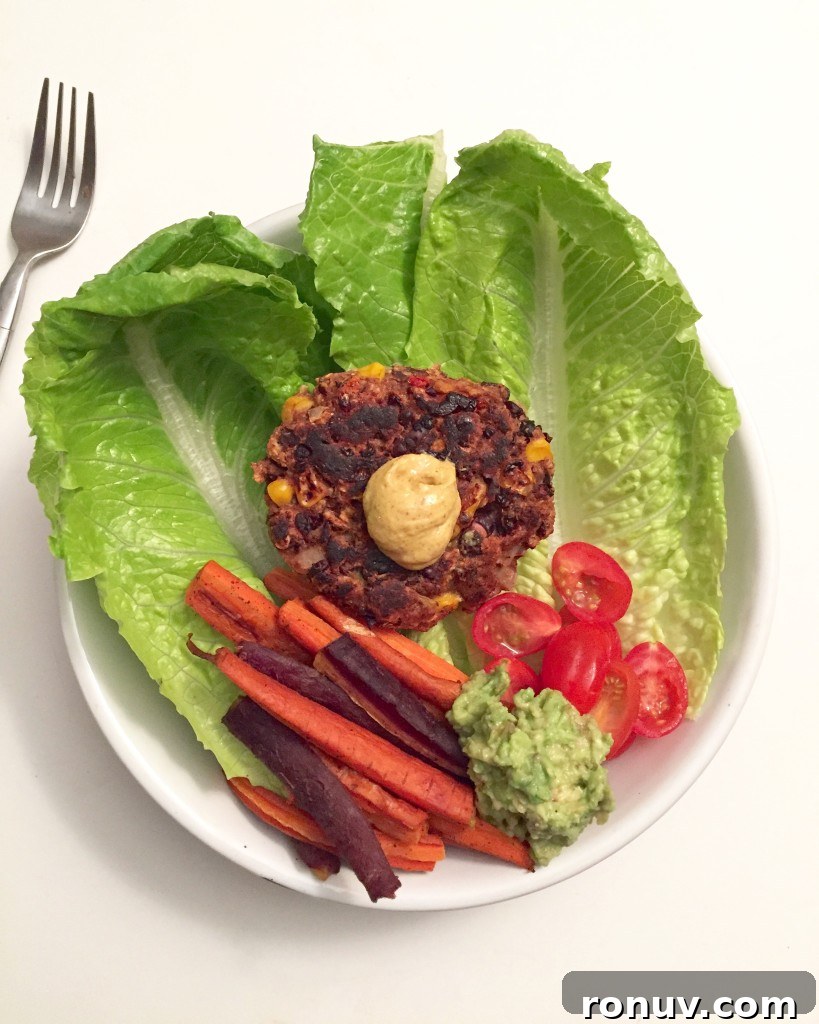
- I prioritized a source of protein and healthy fats at every meal — for example, bean burgers with avocado or a hearty lentil bolognese. This helps stabilize blood sugar and reduces cravings.
- I kept sugar-free snacks on hand: roasted edamame, fresh cut vegetables with hummus, or guacamole with whole-grain crackers. Having ready options prevents impulse choices when hunger strikes.
- I roasted lots of vegetables to bring out natural sweetness. Roasted carrots, butternut squash, and caramelized onions can satisfy sweet cravings without added sugar.
- I made my own sunflower seed butter with no added sugar, so I could control ingredients while still enjoying a creamy spread.
- I replaced dried fruit with fresh or frozen fruit to avoid concentrated sugars and portion creep.
- I swapped sugary condiments like ketchup for lower- or no-sugar tomato sauce in recipes, especially on eggs and savory dishes.
Physically, I didn’t notice major changes in energy or workouts — likely because my baseline sugar intake was already moderate. One notable difference: my skin seemed clearer during the detox, and it felt less clear after I reintroduced sweets. That was a useful observation for me.
Here are 5 ways to eat less sugar …
- Eat as close to the earth as possible. Focus on whole foods: fresh vegetables and fruit, lean meats, beans, legumes, and whole grains. The fewer ingredients and the less processing, the less likely added sugar will be present.
- Check food labels. Read ingredient lists carefully and watch for sugar’s many aliases — syrups, juices, and other sweeteners can hide under different names.
- Balance your plate. Combine protein, healthy fats, vegetables, and whole grains at meals. A balanced plate keeps you full longer and reduces the likelihood of snacking on sweets.
- Compare condiments. Sauces, dressings, ketchup, and BBQ sauces are common sources of added sugar. Look for no-sugar-added options or make your own simple versions at home.
- Be prepared. Stock your fridge and pantry with whole foods and sensible sugar-free snacks so you’re not tempted to reach for the most convenient sugary option when you’re very hungry. Homemade popcorn, for example, is a whole-grain snack you can control.
Bonus tip: stay hydrated. Drinking enough water can help reduce cravings, and adding a squeeze of lemon introduces a bright, sour flavor that helps your taste buds adjust to less sweetness.
If you suspect you might be eating more added sugar than you’d like, consider trying a short experiment — even seven days — to see how you feel and how your palate responds. It’s a practical way to learn about your habits and identify small changes that can add up to real progress.
So what do you think? What are your favorite ways to cut back on sugar?
XO

Let’s get social!
Facebook: C it Nutritionally
Twitter: @ChelseyAmerRD
Instagram: @CitNutritionally
Pinterest: ChelseyAmer
Note: This post contains affiliate links in its original form, which means a small commission may be earned if products are purchased through links, at no additional cost to you.